Plenty of packaging materials have come and gone over the decades, but cellophane has stuck around for a reason. It is thin, transparent, and gives products a glossy, finished look on a shelf, which is part of why it remains a common choice for wrapping everything from snack boxes to stationery sets. Cellophane itself is made from cellulose, a naturally occurring material derived from wood pulp, which is part of why it behaves differently from many plastic films and why some brands prefer it specifically for that reason.
What Makes It a Good Fit for Certain Products
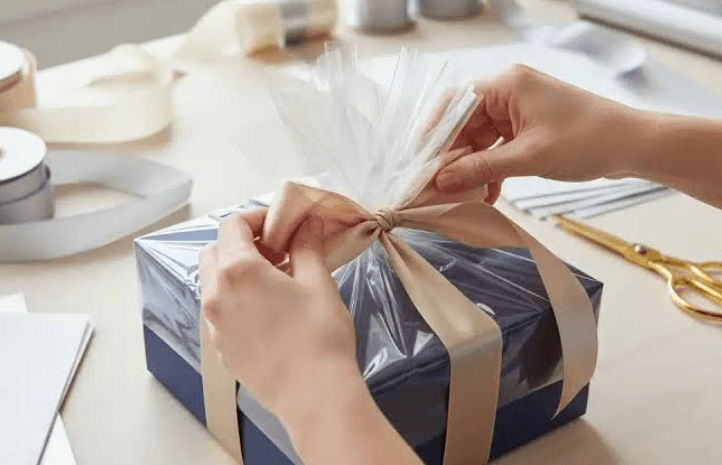
Cellophane’s clarity is one of its biggest practical advantages. A shopper can see the product through the wrap without opening the package, which matters for anything sold on the strength of its appearance, whether that is a decorative box, a set of notebooks, or a food item where visible freshness matters. The material also holds a crisp fold and gives a tight, glossy finish that plastic films do not always replicate in quite the same way.
Beyond appearance, the wrap itself does real protective work. It keeps dust, dirt, and moisture away from the product inside, which matters for anything that sits on a shelf for weeks before it is purchased. It also makes tampering visible, since a torn or opened wrap is obvious at a glance, giving both retailers and customers a simple way to check that a product has not been interfered with before it reaches them.




The Machine Behind the Wrap
Getting a consistent cellophane wrap onto thousands of units a day is not something done by hand at any real scale. That is where a cellophane overwrapping machine comes in, handling the folding, tensioning, and sealing of the film around each product automatically. JOCHAMP’s cellophane overwrapping machine lineup is built specifically around this kind of film, with models designed to handle everything from single boxed items to multiple packs bundled together in one wrap.
The machines are engineered to keep the film taut and properly sealed without tearing it, which is a genuinely tricky balance to strike mechanically since cellophane behaves differently under tension than heavier plastic films do. A machine tuned for this material needs to manage that tension carefully across every single unit it processes, which is part of why purpose built equipment tends to outperform generic wrapping machinery when cellophane specifically is the film being used.
See also: How a Locksmith in NYC Helps Secure Small Businesses?
Where This Shows Up Across Industries
Food producers use cellophane wrapping for items like baked goods and boxed snacks, where the seal keeps the product fresh while the clear film lets the packaging still look appealing on a shelf. Cosmetic brands rely on the same approach to give boxed products a premium, tamper-evident finish that signals quality before a customer even opens the package. Household goods, hardware items, tissue paper products, and stationery all use similar wrapping for the same basic reasons: protection from the elements during storage and transit, plus a clean, professional look that reflects well on the brand.
Pharmaceutical packaging lines also lean on this kind of sealed outer wrap, since anything a consumer will eventually handle and open by hand benefits from a visible, intact seal as a first layer of reassurance before the product itself is even reached.
A Simple Material Doing a Lot of Work
It is easy to overlook something as ordinary as the clear wrap around a box, but it is doing several jobs at once: protecting the product physically, signaling that it has not been tampered with, and making the packaging look finished and trustworthy on a shelf full of competitors. Cellophane has remained a go-to choice across so many industries precisely because it manages all three of those jobs well, and the equipment built specifically to apply it correctly is what allows that to happen consistently at production scale rather than one box at a time.