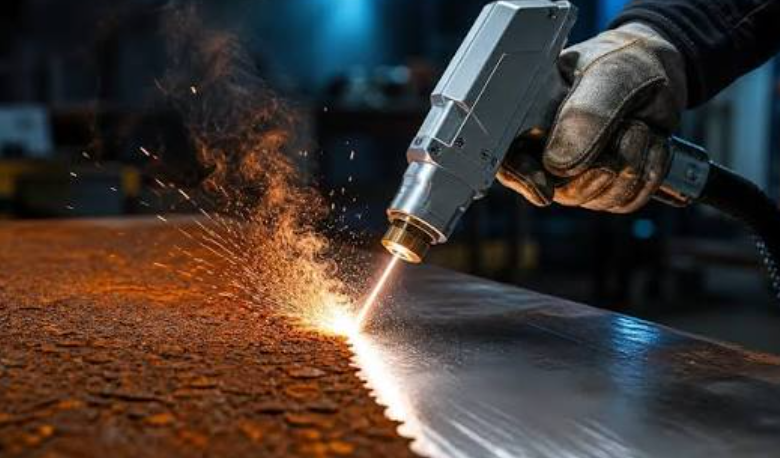
Rust is a persistent problem across a lot of different industries, from automotive maintenance to heavy machinery to historical restoration work, and the traditional tools used to deal with it have not always been well suited to every situation where rust actually shows up. Portable laser rust removal has carved out a real, practical role in a number of specific applications where its particular strengths matter most.
Automotive Restoration and Maintenance
Vehicle restoration work often involves removing rust from body panels, undercarriages, and structural components without damaging the underlying metal, which matters a great deal for vehicles where preserving original material is part of what makes the restoration valuable in the first place. A portable laser rust remover allows technicians to work directly on a vehicle without needing to remove panels for treatment in a separate blasting cabinet, which saves real time and reduces the risk of damage that can come with repeated disassembly and reassembly.
Heavy Equipment and Machinery Maintenance
Industrial and agricultural equipment often develops rust in places that are difficult to access or impractical to remove for treatment elsewhere. Being able to bring a portable rust removal system directly to a piece of equipment, whether it is sitting in a field or a maintenance bay, avoids the significant downtime and labor cost associated with dismantling large machinery just to address surface rust in specific areas.




Marine and Shipping Applications
Rust is a constant concern in marine environments, given the combination of moisture and salt exposure that accelerates corrosion. Portable laser rust removal has found real use in maintaining ships, offshore equipment, and port infrastructure, where the ability to treat rust directly on site, without requiring equipment to be transported to a fixed facility, offers genuine practical value given the scale and immobility of a lot of marine equipment.
Historical and Cultural Restoration Projects
Restoration work on historical metal structures, artifacts, or architectural elements often requires an approach that removes rust and corrosion without damaging fragile or historically significant original material. The precision offered by laser rust removal makes it particularly well suited to this kind of careful, detail oriented restoration work, where preserving as much original material as possible is often a genuine priority for the people involved in the project.
Mold and Tooling Maintenance in Manufacturing
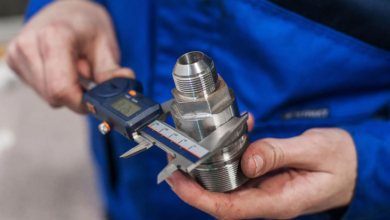
Manufacturing facilities that rely on metal molds and tooling often need to address rust or corrosion buildup without affecting the precise dimensions and surface finish that the mold or tool depends on for proper function. A portable laser rust remover allows this kind of targeted maintenance to happen without the risk of dimensional changes that more aggressive abrasive methods could introduce.
Field Service and On Site Repair Work
Technicians providing field service across a range of industries increasingly rely on portable rust removal to address issues directly at a client’s location rather than requiring equipment to be sent elsewhere for treatment. This has become particularly relevant for businesses that want to offer faster turnaround times and minimize the disruption associated with removing equipment from service for extended periods.
See also: How Corporate Chauffeur Services Improve Business Productivity
Recognizing When This Tool Genuinely Fits the Job
Across all of these applications, the common thread is a situation where bringing equipment to the rust problem makes more practical sense than moving the rust problem to fixed equipment, combined with a genuine need for precision that avoids damaging valuable or delicate underlying material. Recognizing these conditions helps identify when portable laser rust removal is actually the right tool for a specific situation, rather than assuming it is universally the best choice for every rust related problem regardless of context.
Understanding these specific use cases, rather than treating laser rust removal as a generic catch all solution, leads to better decisions about when the technology is genuinely worth the investment for a particular business or project.