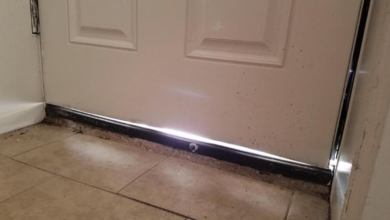
Piles of dust at the doorframes may not seem like much, but they are usually among the first indications that your timber is being attacked. Most house owners sweep the dust and think it is normal, and continue with their day. However, when the dust comes back and back, it is no longer a housekeeping problem. It is an indication that something is inside the wood, tearing it apart.
Such piles are normally created by timber-eating pests long before they cause anything noticeable on the surface. When cracks or sagging timber come about, the pests have already created severe damage. That is the reason why this little dust trail is worth all your attention. It usually signifies that something is digging, boring, or nesting in the timber.
Why You Should Never Disregard These Dust Piles?
Piles of fine dust under your doors, or windows, or skirting boards, even small ones, may not appear to be very much, but they tell you just what is going on inside the timber. This dust is commonly referred to as frass, a very fine powder-like material that is pushed out of the wood as pests chew through it. In some cases, it appears as sand, in some cases as talcum powder, and in some cases it appears as extremely fine shavings of wood.



No matter what the texture, this much is sure: neat frass is made by pests that are alive as we speak. It does not drop to the ceiling, it does not rest in the air, and it is not brought about by chance. The timber is being broken away somewhere inside, and the rubbish is being emptied of its tunnels.
Most homeowners do not notice the presence of the pests since they are out of sight, deep within solid wood. Their warning signals are usually disregarded before they start to show, and at that point, the cost of repair will be a lot higher.
See also: Seasonal Home Maintenance: A Comprehensive Guide for Canadian Homeowners
How to Know Whether It Is a Termite Problem?
Termites are among the widespread causes of timber generation of dust. They inhabit colonies and silently wander through the woods, feeding on it in a nonlinear manner. Termites can be the cause in case of any of the following signs:
a. Sandy or Powdery Dust Near Door Frames.
The accumulation of dust under the doors in fine, powdery dust is a telltale sign of termites. In case these piles recur after cleaning, then it is a strong indication, even though the timber is being tunneled.
b. Hollow-Sounding Timber
A knock or thump on a door frame or skirting board that resonates hollow, spindly, and papery, then you know the timber is weak and hollow internally with termites.
c. Tiny “Kick-Out” Holes
On timber surfaces, there are often small pin-sized holes that are referred to as kick-out holes. These holes enable termites to force frass out of their underground tunnels, indicating active internal feeding and destruction.
d. Soft Spots in the Wood
When timber seems to be soft or spongy, or when timber gives in when pressed, then the inside might have been hollowed out by the termites. All that is left is a fine layer of the skin that has already suffered severe internal damage.
When any of these signs can be observed simultaneously, the house can be actively infested. This is the situation in which professional termite treatment is an urgent need. Termites are fast and can travel through door frames to the subfloors, roof timbers, and structural beams. The sooner they are halted, the less they will do.
Other Pests That Cause Timber Dust Piles
While termites are a major cause, they are not the only pest responsible. Other wood-destroying insects can produce similar symptoms, and each one leaves a unique pattern.
Wood Borers
Wood borers lay eggs inside timber. When the larvae hatch, they chew through the wood for months or even years before emerging. They often leave:
- Very fine, talcum-like dust
- Clean-cut, small exit holes
- Weak points in the timber surface
Borer damage may spread slowly, but it is steady and progressive.
Carpenter Ants
Carpenter ants do not eat timber but carve smooth tunnels through it to build nests. They usually leave behind:
- Coarse, sawdust-like debris
- Fragments of wood mixed with insect parts
- Larger piles of debris than termites produce
Because each pest leaves a slightly different dust pattern, it can be very hard for a homeowner to identify the exact cause. That’s why early pest control intervention is so important. Only an experienced technician can diagnose the pest and choose the right treatment. Guesswork can waste time while the problem gets worse.
Why Do Pre-Purchase Building Inspections Catch This Problem First?
Most individuals will consider only that which is obvious when purchasing a house: fresh paint, current fittings, clean floors, and nicely displayed rooms. A simple walk-through can miss small heaps of dust or soft wood or small holes, but these are the initial indicators of severe concealed pest infestations.
This is the reason why pre-purchase building inspections are significant. Inspectors do not see the surface but dig deep into problems that would concern the property’s safety, value, and long-term status.
They Investigate Areas Not Noticed by Buyers
When visiting the house, buyers rarely examine door frames, skirting boards, subfloors, or roof spaces. A pre-purchase building inspection pays attention to such hidden areas where timber damage often begins. Early frass piles, hollow spots, and other indicators that are not noticed by common shoppers can be detected by the inspectors.
Inspectors are aware of the red flags.
Termites and wood borers leave behind some traces years before they cause damage. To see beyond the visible, the inspectors are trained to find exit holes, soft timber, dust patterns, and other traces of past treatment.
They Save Sellers the Costly Shocks
A house can be so beautiful without leaving expensive timber damage. Such issues are revealed in inspections, allowing buyers to evade surprises during repairs, negotiate lower prices, or simply select a safer house.
The Right Response by the Professional
When dust piles are observed around timber, it is not possible to guess or wait. The safest method is a fast but efficient evaluation. Here’s what you should do:
Take a Full Timber Inspection.
Door frames, skirting boards, subfloors, and other areas prone to damage will be checked by a trained technician. They are aware of the indications, and they are able to ascertain the presence of termites, borers, or any other pests.
Identify the Exact Pest
Various pests require various treatments. There are termite baiting, liquid barriers, borer treatments, and carpenter ant control methods that are unlike. Effective treatment is guaranteed by proper identification.
Implement Specific Intervention
In case termites are detected, treatment of the termites begins immediately. This could be bait stations, chemical barriers, dusting, or foam treatment, based on the structure of the home and the infestation severity. In the case of wood borers or carpenter ants, the technician will employ the correct product and technique to prevent the pest and its recurrence.
Finish and Coat the Timber
Once the pests are removed, technicians might suggest sealing cracks, enhanced ventilation, replacement of damaged areas, or protective coating to avoid future infestations.
Ongoing Prevention
There are numerous businesses that provide follow-ups or continuous pest control contracts. This will make the home remain safe even after the first treatment. This is a simple and practical combination of inspection and detection, as well as treatment. It is not the selling of a service but the prevention of a grave, unknown harm to the house.
Final Thoughts
Minute heaps of dust around the doors can be natural dirt, yet they can be a sign of a significant issue within the timber of your house. Be it the termites, borers, or ants, early detection is the determining factor in avoiding the expensive repairs as well as structural damage.
A single check-up can secure your home, save thousands in repairs, and guarantee that the situation is addressed before it escalates.
Leaving dust piles unattended will simply allow pests to continue feeding on your timber. Early action will keep your home strong, safe, and secure for many years to come.
FAQs
1. Why are there small dust piles around the door frames?
The dust piles occur as the undetectable timber pests force out frass as they excavate tunnels in the wood and destroy it.
2. Do termites always leave dust piles behind?
Not always. Termites are widespread, besides wood borers and carpenter ants, which also leave a dust trail as they weaken or nest in timber.
3. What should I keep in mind to establish whether the dust is caused by termites?
Inspect hollow timber, soft areas, small kick-out holes, recurring dust heaps, or have a professional inspect it right away.
4. What are the steps that I should take when I observe recurring dust piles?
Avoid guessing. Request the presence of a qualified pest technician to thoroughly examine, accurately identify, and treat quickly to avoid progressive destruction.
5. Is it possible to disregard timber dust piles and result in significant repairs?
Yes. Dust can be ignored, but this will ensure that the pests continue feeding on timber. It is also leading to structural weakness, misaligned doors, and costly repairs.