In the realm of healthcare, the significance of quality patient care cannot be overstated. Medical professionals across various disciplines understand that the outcomes for patients are not solely dependent on their expertise but also on the tools and resources at their disposal. The medical equipment, instruments, and supplies that are utilised within a clinical setting play a crucial role in the standard of care that is delivered. This article will explore how the right medical resources impact patient care outcomes and why their role is indispensable in the healthcare industry.
Importance of High-Quality Medical Equipment
The efficacy of diagnosis and treatment is, in many instances, reliant on the functionality and sophistication of the medical equipment in use. State-of-the-art imaging machines, for example, provide high-resolution insights into the patient’s condition, enabling accurate diagnoses and informed treatment plans. On the other hand, outdated or malfunctioning equipment can lead to misdiagnoses, delayed treatment, and potentially, compromised patient safety.
Technological advancements in medical equipment have also meant improved patient experiences. Equipment ergonomics, noise reduction, and faster processing times make for more comfortable and less intimidating procedures. As such, the psychological well-being of patients is better maintained, which is known to be a contributory factor in recovery. Moreover, the precision of modern equipment minimises the chance of human error, thereby safeguarding patient health.




See also: Peptide Therapy: Revolutionizing Health and Wellness
Ensuring Continuity with Reliable Medical Supplies
Continuity of care is another essential aspect of patient outcomes. The consistent availability of medical supplies ensures that there is no interruption in the care that patients receive. Running out of essential items like syringes, bandages, or even medication can lead to subpar care and increased risks of infection or complications.
Furthermore, the quality of supplies can impact the efficiency of care delivery. For example, higher-caliber sutures may reduce the chances of wound reopening, thus promoting quicker healing and lesser scarring. Similarly, durable medical disposables reduce the risk of cross-contamination between patients, ensuring a safer treatment environment for both patients and healthcare providers.
The Role of Surgical Instruments in Treatment
Surgical outcomes too are highly contingent on the quality and appropriateness of the Surgical Instruments utilised. Precision instruments that are custom-designed for specific procedures enable surgeons to perform operations with the utmost accuracy, leading to more successful surgeries and reducing the chances of post-operative complications.
The cleanliness and sterility of surgical instruments are equally important in protecting patients from infections. This emphasises not just the need for high-quality instruments but also for robust sterilisation protocols. Only through immaculate maintenance and handling can the safety and effectiveness of surgical instruments be assured, which in turn reflects on patient recovery and satisfaction.
Training and Proficiency
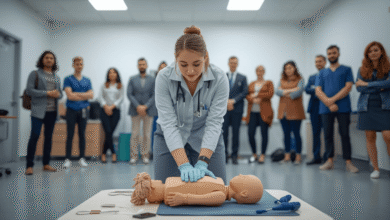
Even the best medical equipment and supplies can only be as good as the operators behind them. Adequate training for medical staff in the use of complex equipment and new supplies is paramount. This involves continuous professional development, ensuring that healthcare workers are up-to-date with the latest techniques and technologies.
A well-trained staff is more confident and capable in handling procedures, thereby reducing patient anxiety and increasing the likelihood of better health outcomes. Moreover, personnel proficiency leads to more efficient use of medical resources, reducing waste and operational costs while improving patient care quality.
Cost-Effectiveness and Access
Investing in high-quality medical equipment and supplies is also a matter of cost-effectiveness. While the initial outlay may be higher, the longevity and reliability of premium products result in lower replacement frequencies and less downtime for repairs. Moreover, ensuring access to essential supplies keeps healthcare systems running smoothly, preventing the escalation of treatable conditions into more serious, expensive-to-treat diseases.
Access to quality supplies is also about equity in healthcare. Ensuring all healthcare establishments, irrespective of the socio-economic demographic they serve, have access to quality medical resources is a step towards reducing health disparities.
Patient Trust and Healthcare Reputation
The availability and quality of medical resources are directly linked to patient trust in healthcare establishments. Patients who witness investment in cutting-edge technology and premium supplies are more likely to feel confident in the care they receive. Similarly, healthcare entities with a reputation for good quality tools and uninterrupted supply chains position themselves as leaders in patient care, attracting not just patients but also top medical talent.
Patient trust is essential not just for individual recovery but also for public health outcomes. A healthcare system that is trusted by its population will see higher rates of treatment compliance, which is critical for managing chronic conditions and preventing the spread of infectious diseases.
Conclusion
In conclusion, the right medical equipment and supplies are foundational to favourable patient care outcomes. From the accuracy of diagnoses, the success of surgical procedures to the infection control and patient comfort, every aspect of patient care is enhanced by the quality of these resources. To maintain high standards of care and ensure that patients receive the best possible treatment, the healthcare industry must continue investing in and ensuring access to quality medical equipment, supplies, and surgical instruments.
State-of-the-art medical resources not only support healthcare providers in delivering superior care but also contribute to the overall efficiency and reputation of healthcare services. By recognising and addressing the pivotal role of medical tools and materials, healthcare facilities can look forward to achieving exceptional outcomes and enhancing the well-being of their patients.