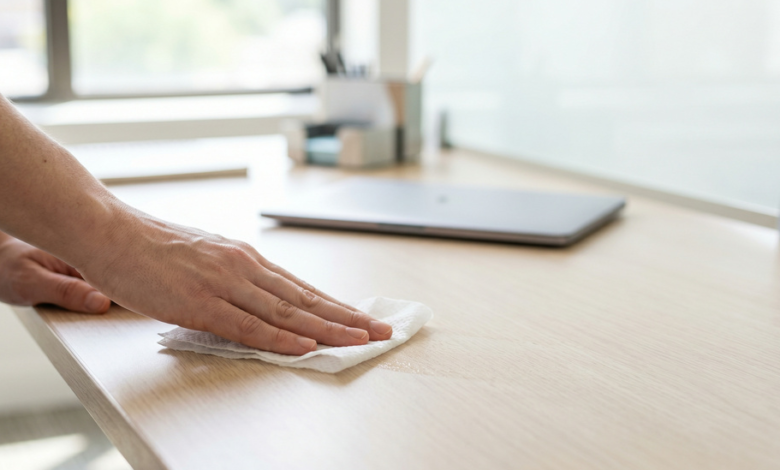
First it’s just Steve from marketing with a scratchy voice. Then half of accounting drops like dominoes. By December, the office sounds like a tuberculosis ward from 1912. Everyone pretends this is normal, popping DayQuil like candy and pretending that “slight fever” is no big deal. Boston offices turn into germ factories every winter. The commute on the Red Line starts the exposure. Packed elevators continue it. By the time anyone reaches their desk, they’ve touched fourteen contaminated surfaces. No wonder everyone gets sick.
Understanding How Germs Travel Through Offices
The coffee pot handle might be the filthiest thing in your building. Think about it. Sick person makes coffee at 8 AM. Touches the handle with their germy hands. Next person comes along at 8:15, grabs that same handle, then rubs their eyes because they’re still tired. Another one down.
Meeting rooms trap germs like a kindergarten classroom. Everyone breathing, talking, accidentally spitting while making their point about budget allocations. The air gets thick with more than just tension. Those fancy leather chairs? They’re basically germ sponges that never get cleaned.



Practical Steps for Healthier Workplaces
Put hand sanitizer in weird places. Not just the obvious spots. Stick it by the elevator buttons. Mount it on the wall outside the bathroom because let’s be honest, not everyone washes properly. Place bottles next to the printer where people stand around waiting.
Fans aren’t just for summer. Get air moving in dead zones where it tends to settle. That back corner near filing cabinets where the temp never quite matches the rest of the office? Perfect breeding ground for whatever Linda brought back from her kid’s school. Your keyboard is disgusting. Those crumbs between the keys feed bacteria. The mouse everyone shares during presentations has seen things. Phone receivers collect spit particles from every conversation. Hit these items with disinfectant daily, not monthly.
Rethinking Shared Space Design
Automatic everything reduces touch points. Doors that open when you wave. Soap dispensers that don’t require a pump covered in who-knows-what. Paper towel machines that actually work without banging on them. Each upgrade removes a contamination opportunity. When people are in close proximity, illnesses spread rapidly. If someone sneezes at desk A, the particles emitted can travel to desk B and through to desk F. Give lungs room to breathe air that hasn’t been pre-breathed by three coworkers.
Getting professional help makes sense. AllProCleaningSystems.com knows office cleaning involves more than emptying trash cans. They sanitize the spots regular cleaners miss. Under desk edges where hands grip. Keyboard crevices. That mysterious film on the microwave door. Real cleaning requires real expertise.
See also: Ways to Turn Every Incoming Call Into a Business Opportunity
Creating a Culture of Wellness
That person who brags about never taking sick days while coughing up phlegm? They’re not a hero. They’re patient zero. Send them home before they take down your entire workforce. Working through pneumonia isn’t tough. It’s stupid. Stock the place like you expect problems. Tissues everywhere. Using effective hand lotion helps stop dry, cracked skin that can let germs in more easily. Disinfectant wipes that people actually want to use. Not those industrial ones that smell like a hospital emergency room.
Conclusion
Winter in Boston is rough enough without adding preventable illness. When companies really focus on hygiene, fewer people get sick. Everyone’s happier and projects finish on time. Making small changes now stops big issues when February hits with its mix of freezing rain and the flu. Stop accepting seasonal sickness as part of doing business. Your employees’ lungs will appreciate it, and so will your bottom line.