Automated technology is revolutionizing the freight shipping industry through its ability to facilitate proactive, data-driven supply chains as opposed to the reactive manual processes of the past. It directly reduces human error, cuts fuel consumption by up to 15% and lowers transit times across global, regional and local networks.
The global supply chain is currently undergoing its most profound evolution since the invention of the shipping container. The pain driving force behind this transformation isn’t bigger vessels or larger canals, but the recent incorporation of automated technology. It should come as no surprise that AI has found its way into the freight shipping industry since it appears to be infiltrating every sector in the world.
From AI technology being tasked with logistical decision-making to the autonomous transportation moving cargo across highways, automation is certainly leaving its mark on global logistics. Well-established companies like Total Quality Logistics (TQL), Vesta Freight, and others are implementing the many advantages offered by automated logistical systems to replace manual processes with real-time algorithms, autonomous hardware and predictive data, moving supply chains toward self-optimizing networks.




The Emergence of Smart Routing and Capacity Allocation
Back in the day, freight brokerage and dispatch relied almost exclusively on manual communication. This meant that brokers spent hours making phone calls, negotiating prices and verifying truck availability. This disjointed approach often led to a phenomenon known as empty miles, where trucks ran empty on return journeys, an undoubtedly significant inefficiency.
Maximizing Spatial Capacity
But modern automated technology has managed to eliminate this through algorithmic digital freight matching. The Machine Learning (ML) systems can analyze vast data sets to pair the available carrier capacity with shipper demand based on:
- Geography
- Equipment type
- Current spot market pricing
This not only minimizes the occurrence of empty miles but it also lowers overhead costs and drastically reduces the time it takes to secure transport.
Live Tracking
Automation has also significantly improved transit tracing through the implementation of Internet of Things (IoT) sensors and satellite tracking that feed real-time telemetrics directly into the automated management software. Now, you don’t need to constantly call up the driver to find out where and how far the shipment is because you can follow their progress on a live map.
Micro-Rerouting
The advanced technology can also reroute the trip when unexpected delays occur, like a storm or a severe border delay. The system will recalibrate the route mid-journey and then forward the updated route to the distribution centers so they can be alerted to adjust their staffing schedules accordingly.
How Autonomous Hardware Redefines Physical Transit
Digital automation may be reshaping the back-end infrastructure, but autonomous hardware is slowly reshaping physical execution across highways, rail yards and ports. The freight industry has been facing a chronic labor shortage in recent years, particularly when it comes to long-haul truck drivers. Autonomous transportation technology has stepped in to fill this gap, offering you a scalable solution to this operational challenge.
Self-driving freight trucks are already working on designated highway corridors. These trucks are fitted with:
- Advanced LiDAR
- Radar
- Computer-vision systems
These vehicles work efficiently over long distances without the constraints typically associated with human drivers, like fatigue. This significantly extends daily working hours and further expedites cross-country delivery timelines.
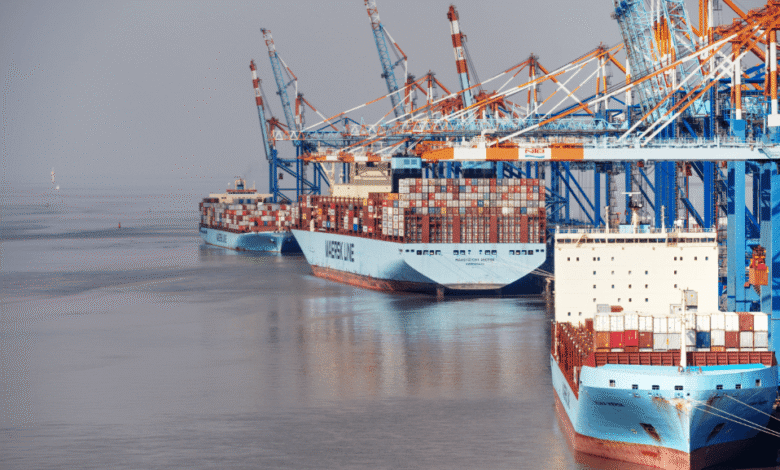
This transformation is just as visible at the major maritime terminals and in land rails where automated guided vehicles (AGVs) and synchronized crane systems are moving shipping containers directly from vessels to waiting chassis without any manual intervention.
Removing human error from these high-risk terminal environments through automation accelerates cargo throughput, reduces port congestion and also lowers working liability.
Why Automation Streamlines Administration and Customs
The process of moving physical goods generates an exorbitant amount of paperwork. International trade has always been significantly slowed down by things like:
- Bill of lading paperwork
- Customs declarations
- Compliance certificates
The administrative effort required often resulted in costly port demurrage fees and customs delays, but automated technology has made that a thing of the past by streamlining these workflows through Intelligent Document Processing (IDP). Automated compliance engines are able to extract vital data from complex shipping documents using optical character recognition (OCR) and machine learning. The system can then go on to:
- Verify the accuracy of the paperwork
- Classify commodities in accordance with international harmonized codes
- Automatically submit declarations to customs authorities
This effectively eliminates most of the heavy lifting pertaining to the administrative requirements for documenting your shipping packages, making the process much faster and more efficient.
See also: How a Locksmith in NYC Helps Secure Small Businesses?
Optimized Logistics For Expedited Shipments
The introduction of automated technology into the freight shipping industry has completely reshaped the way that shipping providers operate. The accuracy and precision facilitated by advanced AI technology have made it easy for you to track your package from across the world all the way until it reaches your doorstep. Autonomous vehicles are also streamlining operations by mitigating the limitations of human drivers, giving the freight shipping industry even more ways to optimize its logistics.