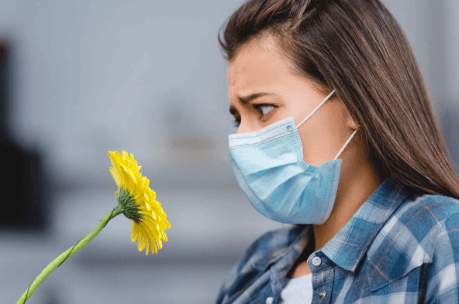
Spring allergies rarely start in spring. For many households, the real buildup happens quietly during winter, when heating systems run daily, and windows stay closed for months. Dust, pet dander, and other irritants circulate repeatedly, settling deep inside equipment and ductwork. Scheduling maintenance with heating system repair pros before winter fully ends can break that cycle and make allergy season far easier to manage.
Why winter heating makes allergies worse later
The accumulation of indoor allergens is facilitated by cold weather. The same air repeatedly flows through the system, homes remain sealed, and there is little fresh air exchange. Every cycle collects tiny particles that might not be uncomfortable right away but progressively raise the allergen burden.
Because heating systems move a lot of air, the issue is made worse. Debris accumulates over time on internal surfaces, return ducts, and blower compartments, which a skilled furnace repair company can inspect and clean to reduce irritants. Early spring temperature swings can cause systems to cycle erratically, releasing accumulated irritants in spurts. For this reason, even before trees and grasses begin pollinating, many people experience eye irritation or congestion indoors.




What a tune-up actually changes
The flow and contents of air are the main topics of a professional tune-up. It goes beyond a simple temperature check or inspection. The elements that immediately impact indoor air quality are cleaned and adjusted by technicians.
Dust and tiny particles are frequently collected by blowers and inside housings. There is less allergen redistribution into dwelling spaces when these places are cleaned. Additionally, filters are assessed for appropriate fit, condition, and rating. Irritants may be entirely avoided by filtration through a clogged or subpar filter, or airflow may be sufficiently restricted to produce turbulence.
Another important consideration is airflow balancing. Uneven air pressure systems can aggressively disturb settled material. Particles are less likely to be lifted and recirculated when air is calibrated correctly.
The overlooked role of humidity
Even at moderate allergen levels, dry air frequently exacerbates allergy symptoms. Because winter heating reduces interior humidity, nasal passages become drier and more reactive. The arrival of spring causes irritated airways to react more strongly to dust and pollen.
Maintaining the house’s proper humidity levels is made easier with a tune-up. Although heating equipment doesn’t produce humidity, it can either remove or keep existing dampness. When operated properly, less unnecessary drying occurs, making indoor air kinder to the respiratory system.
Cleaner systems mean fewer hidden triggers
Many indoor allergens are unseen. Mold spores, dust mite detritus, and pet dander can remain in systems without showing any symptoms. These particles eventually impair overall comfort, focus, and sleep quality.
A well-maintained heating system limits the frequency of these irritants’ redistribution. It is more likely that particles will stay trapped in filters rather than continuously cycling through the house when airways are clear and airflow is constant.
Even if they had not recognized indoor air as the source of the issue, families with children, older adults, or asthma sensitivities frequently observe significant improvements with maintenance.
Why timing makes a real difference
The advantage of maintenance is diminished if air quality is not addressed until spring. Allergens are already circulating by then, and symptoms might be evident. Prior to the start of lighter run cycles, early action eliminates winter accumulation.
The system is reset at the ideal time by late winter tune-ups. The system starts the spring in a cleaner state rather than releasing pollutants gradually as usage patterns change. Additionally, this proactive timing prevents peak-season scheduling delays when service availability becomes constrained.
See also: Because Your Future Health Deserves a Plan
Efficiency and health are closely linked
An efficient system typically supports better air quality. Smoothly cycling equipment reduces airflow disruption, which in turn reduces particle disturbance. Maintaining constant temperatures also reduces the risk of mold growth by lowering moisture levels inside ducts.
Systems frequently operate in short cycles or run longer than necessary when they suffer from accumulation or misalignment. Both patterns increase the likelihood that irritants will spread. Early resolution of performance problems promotes respiratory health and comfort.
Small fixes that add up
Tune-ups often reveal small changes that have enormous advantages. Small duct leaks may draw in Dusty air from crawl spaces or attics. Contaminants may be drawn from trouble spots by poorly positioned return vents. The degree to which air is forced through the house can even be affected by thermostat adjustment.
Experts frequently offer advice based on the house’s actual behavior. This could include humidity goals, filter replacement schedules, or airflow modifications based on occupancy and layout rather than general guidelines.
Final Thoughts
Spring allergies feel inevitable, but much of the discomfort is preventable. Indoor air quality is shaped long before pollen appears outside. Addressing heating system cleanliness and performance now creates a healthier baseline for the months ahead. Working with heating system repair pros allows homeowners to move from reactive symptom management to proactive prevention. Cleaner air, steadier humidity, and smoother operation make a noticeable difference when seasons change.