Accidents rarely announce themselves before they happen, especially in work environments where people are focused on productivity and performance. Whether it’s a slip near a copy machine, a fall from a ladder, or a sudden medical emergency in the breakroom, workplaces are full of unpredictable moments that could benefit from prompt, informed action. Preparedness isn’t about anticipating every scenario—it’s about creating a culture where people know what to do when things go wrong. First aid in the workplace doesn’t require complex equipment or formal medical training for every employee. However, when time matters most, it demands a mindset prioritizing safety, clear communication, and calm responses. When the workforce is trained and equipped, small actions can significantly impact outcomes, minimizing harm and saving lives before emergency responders arrive.
How does readiness improve response across all work environments?
- Understanding Common Workplace Risks
Every job site, from office buildings to warehouses, carries different risks. While industrial settings might see injuries from machinery or chemicals, corporate offices face hazards like ergonomic injuries, stress-related conditions, and unexpected health emergencies like cardiac arrest. The first step to implementing meaningful first aid practices is understanding what can go wrong. Risk assessments should be more than a formality—they should be living documents that influence how spaces are arranged and employees are trained. Walkthroughs, hazard reporting systems, and employee feedback all contribute to identifying patterns before an emergency occurs. Preparedness begins with identifying needed support and bridging those gaps through training and supplies.
See also: The Tricks Wutawhealth: the Tricks of Wutawhealth: Digital Health Insights



- The Role of Training in Building Confidence
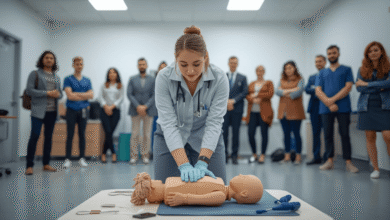
Even the best-stocked first aid kit is useless without someone willing to use it. Training builds the confidence necessary to act when others freeze. Whether it’s learning how to apply bandages, perform chest compressions, or recognize the signs of stroke, employees empowered with knowledge become valuable first responders. Practical drills, mock scenarios, and refreshers keep that knowledge active, not just theoretical. This is particularly important in high-pressure moments when panic can override logic. Confidence doesn’t come from reading pamphlets—it comes from practice and repetition. Employees who’ve completed CPR certifications are more likely to respond effectively in emergencies involving unconscious coworkers, cardiac issues, or choking incidents. The confidence that comes from training spreads quickly across departments, turning teams into safety allies.
- Creating a Culture of Shared Responsibility
Safety in the workplace is not the job of one person or department. It thrives in environments where every employee understands their role in maintaining readiness. From entry-level staff to top management, first aid preparedness should be a collective responsibility. Simple habits like checking fire exits, understanding AED locations, or keeping common areas clear of tripping hazards all contribute to readiness. Managers set the tone by participating in training sessions and prioritizing time for drills. Companies that celebrate participation in safety programs or acknowledge first responders in the workplace reinforce the importance of shared vigilance. When employees view safety not as a box to check but as a team effort, the response to emergencies becomes faster, calmer, and more coordinated.
- Equipping the Workplace for Real Emergencies
First aid kits should reflect the real needs of the work environment. A kit in a woodworking shop will look very different from one in a marketing firm. Basic supplies like bandages, antiseptics, gloves, and gauze are a start, but eyewash stations, burn treatments, and epinephrine injectors should also be considered when applicable. Placement matters too—kits must be easily accessible, clearly marked, and well-stocked at all times. The same goes for AEDs (automated external defibrillators), which can be the difference between life and death in a cardiac emergency. Visibility, proximity, and proper signage can save precious minutes. Pairing these tools with visual instructions and designated responders creates a system that supports seasoned employees and new hires in times of stress.
- Managing the Aftermath with Care and Documentation
Responding to an emergency doesn’t end when the situation is under control. How a company handles the aftermath has long-term implications for recovery and morale. Every incident should be documented thoroughly and reviewed for patterns or failures in preparedness. Was the response time adequate? Were supplies missing? Did employees feel supported? These evaluations should never serve as punishment but rather as blueprints for improvement. In addition to a technical review, emotional support for affected employees is essential. Witnessing or participating in a life-threatening event can leave lasting psychological impacts. Offering access to mental health resources and ensuring a return-to-work plan fosters healing. A workplace that responds with compassion and clarity after an emergency sends a clear message: your well-being matters here.
A Safer Workplace Is a Smarter Workplace
Workplace safety isn’t just about compliance or checking regulatory boxes—it’s about valuing human lives and empowering employees to take action when it matters most. First aid readiness is critical in transforming ordinary workers into confident responders who can handle unexpected situations calmly and clearly. From understanding common risks to fostering shared responsibility, the most successful safety programs are those woven into the workplace culture. When employees know where to turn, what to do, and feel supported by their environment, they’re more likely to make a positive difference in the critical moments before professional help arrives. Building this foundation takes time, intention, and investment—but the payoff is immeasurable. In the face of the unpredictable, preparation becomes our most reliable tool.