When it comes to upgrading your home’s entrance, fiberglass entry doors have emerged as one of the most sought-after options among homeowners. These doors combine exceptional durability with stunning visual appeal, making them an ideal choice for those seeking both functionality and style. Unlike traditional wood doors that warp or steel doors that dent, fiberglass offers a resilient alternative that withstands harsh weather conditions while maintaining its appearance year after year.
The growing popularity of fiberglass entry doors stems from their remarkable ability to mimic the natural beauty of wood grain without the associated maintenance headaches. They provide superior energy efficiency, helping reduce heating and cooling costs while enhancing your home’s curb appeal. Whether you’re building a new home or replacing an existing door, understanding the benefits and options available in fiberglass entry doors will help you make an informed decision that adds value and character to your property for decades to come.
Stylish and Durable Fiberglass Entry Doors
Fiberglass entry doors have revolutionized home design by offering an impressive blend of beauty and resilience that appeals to discerning homeowners. These doors showcase remarkable versatility in their aesthetic presentation, seamlessly fitting into architectural styles ranging from classic traditional to sleek contemporary. The advanced manufacturing techniques used today allow fiberglass doors to replicate the rich texture and depth of authentic wood grain with such precision that even close inspection reveals stunning detail. Modern contemporary front doors feature clean lines, bold geometric patterns, and minimalist hardware that complement contemporary architecture perfectly, while traditional designs incorporate raised panels, intricate molding, and decorative glass inserts that enhance classic home styles.


The color possibilities are virtually limitless, with factory-finished options available in deep mahogany tones, warm oak hues, or sophisticated painted finishes that resist fading and chalking. Contemporary designs often embrace smooth surfaces with horizontal grooves or asymmetrical glass arrangements that create striking focal points, while modern farmhouse styles incorporate rustic elements like crossbuck patterns and wrought iron accents. The material’s inherent stability allows for larger door sizes and expansive glass panels without compromising structural integrity, enabling homeowners to maximize natural light entry. Whether your preference leans toward the timeless elegance of craftsman-style doors with their distinctive horizontal rails or the bold statement of a modern entrance with full-length sidelights, fiberglass technology delivers exceptional visual impact that elevates your home’s exterior presentation while providing the practical performance demanded by today’s homeowners.
Design Options
The design possibilities for fiberglass entry doors extend far beyond basic panel configurations. Homeowners can select from smooth or textured surfaces, with wood grain patterns ranging from subtle oak to pronounced mahogany finishes. Glass options include clear, frosted, textured, and decorative patterns that balance privacy with natural light admission. Sidelights and transoms can be incorporated to create grand entrances, while door lite configurations range from simple rectangular windows to elaborate wrought iron designs. Hardware choices span from traditional brass and bronze finishes to contemporary stainless steel and matte black options. Custom staining and painting capabilities allow you to achieve precisely the look that complements your home’s color palette and architectural character, ensuring your entrance makes a memorable first impression.
Material Benefits
The durability of fiberglass entry doors surpasses traditional materials in numerous practical ways. Unlike wood, fiberglass resists moisture absorption, preventing the warping, rotting, and splitting that plague wooden doors in humid or rainy climates. The material won’t rust or corrode like steel doors, maintaining its structural integrity even in coastal environments with salt air exposure. Fiberglass doors demonstrate exceptional dimensional stability across temperature extremes, neither expanding in heat nor contracting in cold weather, which ensures consistent operation and weather-tight sealing throughout the seasons.
Maintenance requirements remain minimal compared to other door materials. The factory-applied finishes resist fading, cracking, and peeling, eliminating the need for regular refinishing or repainting that wood doors demand. A simple cleaning with mild soap and water keeps fiberglass doors looking pristine, with no special treatments or protective coatings required. The material’s density provides excellent resistance to dents and scratches from daily use, maintaining its appearance despite the inevitable bumps from moving furniture or active households. This combination of resilience and low upkeep translates to long-term cost savings and sustained curb appeal.
Choosing the Right Fiberglass Entry Door
Selecting the perfect fiberglass entry door requires thoughtful consideration of several key factors that will ensure your investment enhances both the functionality and aesthetic appeal of your home. The decision-making process begins with understanding your specific needs, from security requirements to energy efficiency priorities, and extends through practical considerations like budget constraints and installation timelines.
Start by evaluating your home’s exposure to weather elements. Homes facing harsh sun exposure benefit from doors with UV-resistant finishes and lighter colors that reflect heat, while properties in regions with extreme temperature fluctuations should prioritize doors with superior insulation cores. Security concerns should guide your hardware selection, with multi-point locking systems offering enhanced protection for high-traffic neighborhoods. Energy efficiency ratings deserve careful attention, as doors with proper weather-stripping and insulated cores significantly impact heating and cooling costs over the door’s lifespan.
Your lifestyle also influences the ideal door choice. Families with children and pets need durable surfaces that resist scratches and dents, while homeowners prioritizing natural light might opt for configurations with extensive glass panels. Budget considerations should account for long-term value rather than just initial cost, as higher-quality doors with better warranties often prove more economical over time. Consider the door’s swing direction based on your entryway layout and furniture placement, ensuring smooth operation without obstructing interior spaces. Finally, think about future resale value, choosing classic designs with broad appeal rather than highly personalized styles that might limit buyer interest down the road.
Measure Your Doorway
Accurate doorway measurements form the foundation of a successful door installation. Begin by measuring the width at three points—top, middle, and bottom—using the smallest measurement to ensure proper fit. Measure the height from the threshold to the top of the frame on both sides, again using the smaller dimension. Record the depth of the door jamb to determine the appropriate door thickness. Check the rough opening if replacing the entire frame, measuring both width and height. Verify that your doorway is square by measuring diagonally from corner to corner; equal measurements indicate a square opening, while discrepancies reveal adjustments needed during installation.
Consider Your Home’s Style
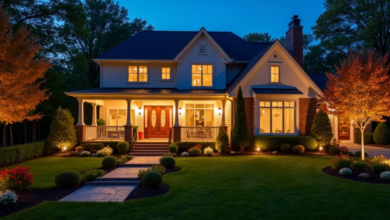
Matching your fiberglass entry door to your home’s architectural character creates visual harmony that enhances curb appeal. Colonial and traditional homes pair beautifully with doors featuring raised panels and classic proportions, often complemented by sidelights with divided glass panes. Craftsman-style homes benefit from doors with clean horizontal lines, simple glass panels, and substantial hardware in oil-rubbed bronze or black finishes. Ranch and mid-century modern homes suit doors with minimal ornamentation, featuring smooth surfaces or subtle vertical grooves. Mediterranean architecture calls for arched tops, decorative glass inserts, and warm wood-tone finishes. Contemporary homes embrace bold designs with asymmetrical glass arrangements, horizontal planking details, and sleek hardware in brushed nickel or matte black. Consider your home’s existing color scheme, trim details, and overall proportion when selecting door dimensions and glass configurations to ensure cohesive design integration.
Read Reviews and Ask for Recommendations
Research from multiple sources provides valuable insights into door performance and manufacturer reliability. Start by exploring online reviews on home improvement websites, paying particular attention to comments about long-term durability, finish quality, and customer service experiences. Look for patterns in feedback rather than focusing on isolated complaints, as consistent praise or criticism across multiple reviews indicates genuine product characteristics. Consult consumer rating organizations that conduct independent testing and provide unbiased assessments of various door brands.
Personal recommendations from trusted sources often prove invaluable. Talk with neighbors who have recently installed fiberglass doors, asking about their satisfaction with appearance, performance, and the installation process. Visit local showrooms to examine doors in person, feeling the texture, operating the hardware, and comparing finish quality across different manufacturers. Companies like Framewell offer extensive product lines that allow homeowners to compare various styles and finishes side by side. Engage with building professionals including contractors, architects, and door specialists who work with various brands regularly and can offer perspective on which manufacturers deliver consistent quality. Join online homeowner forums and social media groups dedicated to home improvement, where members freely share their experiences and offer candid advice about specific door models and installation companies in your area.
Installation and Maintenance Tips
Proper installation and ongoing maintenance are essential to maximizing the performance and longevity of your fiberglass entry door. The installation process demands precision and expertise to ensure proper alignment, weather sealing, and smooth operation that will serve your home for decades. While some experienced DIY enthusiasts may consider self-installation, the complexity of achieving perfect plumb, level, and square alignment typically makes professional installation the wiser choice. A correctly installed door operates effortlessly, seals tightly against weather intrusion, and maintains its structural integrity through years of daily use.
The installation timeline varies based on whether you’re replacing just the door slab or the entire frame assembly. A simple door slab replacement typically takes two to four hours, while a complete frame installation requires four to eight hours depending on the opening’s condition and any necessary structural adjustments. The installer will remove your existing door, inspect the rough opening for damage or rot, make necessary repairs, install proper flashing and weather barriers, set the new frame with precise shimming, secure it firmly to the structural framing, install the door slab, adjust the hinges and lockset for smooth operation, apply weather-stripping, and seal all gaps with appropriate caulking materials.
Once installed, maintaining your fiberglass entry door requires minimal effort but consistent attention to key areas. Regular cleaning prevents dirt accumulation that can dull the finish and compromise weather-stripping effectiveness. Inspect the door seasonally, checking for any gaps in caulking around the frame, ensuring weather-stripping remains intact and pliable, and verifying that all hardware operates smoothly. Lubricate hinges and locks annually with appropriate products to prevent binding and extend component life. Address any minor issues promptly before they develop into larger problems requiring costly repairs or premature replacement.
Professional Installation
Hiring qualified professionals ensures your fiberglass entry door performs optimally from day one. Experienced installers possess specialized tools and knowledge to handle the nuances of proper door hanging, including precise shimming techniques that prevent warping and binding. They understand local building codes and weather-proofing requirements specific to your region’s climate challenges. When selecting an installer, verify their licensing and insurance coverage, request references from recent projects, and examine their portfolio of completed work. Obtain detailed written estimates from at least three contractors, comparing not just pricing but also warranty coverage, timeline commitments, and included services such as disposal of your old door and cleanup. Professional installation typically includes adjustments during the warranty period, ensuring your door continues operating perfectly as your home settles and seasons change.
Regular Cleaning and Care
Maintaining your fiberglass entry door’s appearance requires simple but consistent cleaning practices. Wash the door surface quarterly using a soft cloth or sponge with mild dish soap mixed in warm water, working from top to bottom to prevent streaking. Rinse thoroughly with clean water and dry with a soft towel to prevent water spots. For stubborn dirt or marks, use a non-abrasive cleaner specifically formulated for fiberglass surfaces, avoiding harsh chemicals or solvents that might damage the finish. Clean glass panels with standard glass cleaner, protecting surrounding fiberglass from overspray.
Hardware maintenance extends the life of locks and handles. Wipe metal components monthly with a damp cloth to remove fingerprints and environmental residue, then dry thoroughly. Apply a light coating of furniture wax to decorative hardware twice yearly to preserve finish luster. Lubricate lock cylinders and deadbolts annually with graphite powder or silicone-based lubricant, avoiding oil-based products that attract dust. Inspect and clean weather-stripping twice yearly, removing debris from channels and checking for compression or tears that reduce sealing effectiveness. Tighten any loose screws in hinges or strike plates as needed, and touch up minor scratches immediately with manufacturer-approved touch-up kits to prevent moisture intrusion and maintain your door’s pristine appearance.
Transform Your Home’s Entrance with Fiberglass Doors
Fiberglass entry doors represent a smart investment that delivers exceptional value through their unique combination of beauty, durability, and practicality. Throughout this guide, we’ve explored how these doors successfully replicate the warmth and elegance of natural wood while eliminating the maintenance burdens and weather vulnerabilities that plague traditional materials. Their superior energy efficiency helps reduce utility costs, while their resilience against denting, warping, and corrosion ensures your entrance maintains its stunning appearance for decades with minimal upkeep.
Whether you’re drawn to classic designs with intricate detailing or contemporary styles with clean lines and bold glass configurations, fiberglass technology offers limitless possibilities to complement your home’s architectural character. By carefully measuring your doorway, considering your home’s style, researching quality manufacturers, and investing in professional installation, you’ll ensure your new entry door performs flawlessly while enhancing your property’s curb appeal and value. The minimal maintenance requirements—simple periodic cleaning and basic hardware care—make fiberglass doors an ideal choice for busy homeowners seeking lasting quality without constant attention. Take the next step toward transforming your home’s entrance with a fiberglass entry door that welcomes you home in style every single day.