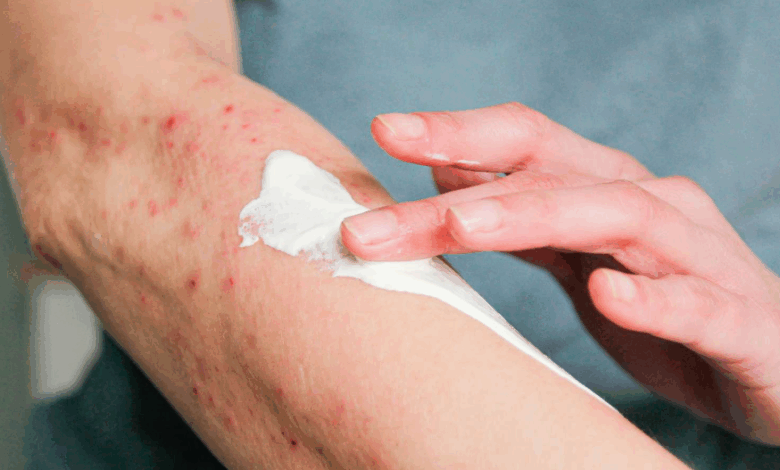
Bed bugs are small, elusive pests that have become increasingly common in both residential and commercial spaces. While their bites are not known to transmit diseases, the range of reactions they provoke in humans can vary significantly, from barely noticeable marks to extreme allergic responses. In this article, we explore the entire spectrum of bed bug bite reactions, helping readers recognize, differentiate, and respond appropriately to each case.
What Happens When a Bed Bug Bites: The Biological Mechanism Behind the Reaction
When a bed bug feeds, it pierces the skin with its elongated mouthparts to extract blood. During this process, it injects a small amount of saliva that contains anticoagulants and anesthetics. These substances prevent the blood from clotting and reduce the pain of the bite, often allowing the bug to feed unnoticed for several minutes.
The human body’s reaction to these salivary compounds is what triggers the physical symptoms. These can differ from person to person depending on their sensitivity, immune response, and history of exposure to bed bugs. The first bites may go unnoticed, but repeated exposure often leads to increasingly intense reactions.




Mild Bed Bug Bite Reactions: Minimal Symptoms That Often Go Unnoticed
For many individuals, especially those who are not allergic or hypersensitive, bed bug bites ( væggelus bid ) result in mild symptoms that may include:
- Small, flat or raised red bumps
- Mild itching or irritation
- Symptoms that resolve on their own within a few days
These bites often appear in a line or cluster, reflecting the bug’s movement across the skin. In mild cases, individuals may even confuse them with mosquito bites or other minor skin irritations. No medical treatment is usually necessary for such reactions, though antihistamines or topical creams can help relieve any itching.
See also: The Tricks Wutawhealth: the Tricks of Wutawhealth: Digital Health Insights
Moderate Reactions to Bed Bug Bites: Recognizing Common Signs of Inflammation and Discomfort
Some people experience moderate symptoms that are more noticeable and can cause significant discomfort, including:
- Inflamed, red welts with a defined center
- Persistent or severe itching
- Swelling or puffiness around the bite
- Secondary infections due to scratching
These reactions occur when the immune system mounts a stronger response to the foreign proteins in the bed bug’s saliva. The symptoms can last anywhere from a few days to over a week, depending on the individual’s sensitivity and how well they avoid irritating the area further.
Treatment may include:
- Over-the-counter corticosteroid creams
- Oral antihistamines
- Cold compresses for swelling
In cases where scratching leads to infection, antibiotics or antiseptic ointments might be required.
Severe Bed Bug Bite Reactions: When Allergies and Immune Responses Become a Medical Concern
While rare, severe allergic reactions to bed bug bites ( væggelus bid ) can occur. These typically affect individuals with known insect allergies or heightened immune sensitivity, and may manifest in the following ways:
- Intense swelling extending well beyond the bite area
- Blistering or skin ulceration
- Anaphylaxis (extremely rare but potentially life-threatening)
- Widespread hives or rash
- Difficulty breathing or dizziness
Severe cases demand immediate medical attention, especially if symptoms like trouble breathing, chest tightness, or facial swelling arise. An epinephrine injection (EpiPen) may be necessary in anaphylactic cases, and long-term strategies may include desensitization therapy for patients with ongoing allergic responses.
How to Distinguish Bed Bug Bites From Other Insect Bites or Skin Conditions
Because bed bug bites can resemble bites from mosquitoes, fleas, or mites, or even dermatological conditions like eczema or hives, it’s important to evaluate the following characteristics:
| Feature | Bed Bug Bites | Mosquito Bites | Flea Bites |
| Location | Exposed skin (arms, face, neck) | Anywhere on body | Often on feet or legs |
| Pattern | Clustered or linear (breakfast-lunch-dinner pattern) | Random, scattered | Grouped, often on lower body |
| Itch | Moderate to intense | Intense | Very intense |
| Onset | Delayed (hours to days) | Immediate | Immediate |
To confirm a bed bug infestation, look for other signs such as blood spots on sheets, fecal spots (black dots), shed exoskeletons, or live bugs around mattresses and furniture seams.
Risk Factors for Severe Reactions: Why Some People Are More Affected Than Others
The severity of bed bug bite reactions depends on multiple individual and environmental factors:
- Age: Children and elderly individuals may have more sensitive skin.
- Immune System Sensitivity: Those with allergies or autoimmune conditions may experience exaggerated responses.
- Skin Type: People with eczema or sensitive skin may react more visibly.
- Previous Exposure: Repeated exposure can either desensitize or exacerbate the immune response.
- Mental Health: Anxiety and stress levels can worsen perceived symptoms and lead to psychological effects, such as delusional parasitosis.
Understanding these risk factors can help at-risk individuals take preventive steps, such as using encasements, traveling with bed bug-proof luggage liners, or seeking early pest control intervention.
Managing and Treating Bed Bug Bite Reactions: From Home Remedies to Medical Interventions
Depending on the severity of symptoms, treatment can range from simple to clinical. Here’s a tiered approach:
Home Care for Mild Reactions
- Wash the area with soap and water
- Apply cold compresses
- Use calamine lotion or anti-itch creams
- Take antihistamines to reduce swelling and itching
Medical Treatment for Moderate to Severe Reactions
- Prescription-strength corticosteroids
- Antibiotics for secondary infections
- Epinephrine for allergic reactions
- Consult a dermatologist or allergist for recurring or intense symptoms
It’s also crucial to address the source of the problem by treating the infestation. Without this step, bites will persist, and reactions could worsen over time.
When to Seek Professional Help: Knowing the Red Flags of Serious Complications
Not all bed bug bites require a doctor’s visit, but you should seek medical help if:
- You experience blistering, pus, or signs of infection
- The bites are painful, not just itchy
- Symptoms worsen despite over-the-counter treatment
- You develop systemic symptoms like fever or fatigue
- You have a history of anaphylaxis or severe allergies
In some instances, physicians may also refer patients to a mental health professional if symptoms lead to chronic anxiety, paranoia, or sleep disruption, which are common psychological side effects of bed bug infestations.
Preventing Bed Bug Bites and Reducing the Risk of Allergic Reactions in the Future
The best way to prevent bed bug bite reactions is to avoid being bitten altogether, which involves:
- Regular inspection of sleeping areas
- Using bed bug-proof mattress and pillow encasements
- Washing and drying bed linens at high temperatures
- Avoiding secondhand furniture without inspection
- Hiring a pest control professional at the first sign of infestation
For individuals with known allergies, keeping antihistamines or an EpiPen on hand when traveling can be a life-saving measure.
Conclusion
While bed bug bites are rarely dangerous, the range of potential reactions—from mild itching to severe allergic responses—warrants careful attention. Knowing how to identify, manage, and prevent these reactions ensures that individuals remain both physically safe and mentally at ease. With the right knowledge and a proactive approach, bed bug bites can be effectively treated and largely avoided.