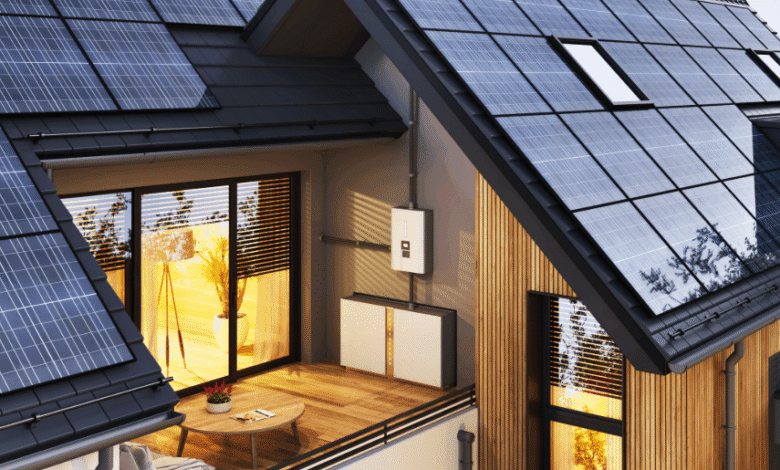
Homeowners are becoming more strategic about energy upgrades. Solar panels are no longer seen as a standalone improvement. Instead, more homeowners are looking at solar as part of a larger home performance plan that includes roof condition, energy efficiency, battery readiness, and long-term property value.
This shift makes sense. Solar panels are designed to last for many years, but the roof underneath them needs to be ready for that same long-term commitment. If a homeowner installs solar on an aging or damaged roof, they may face expensive removal and reinstallation costs later when roof repairs become unavoidable.
That is why a roof-first approach is becoming one of the smartest ways to plan a residential solar project.

Why Roof Condition Matters Before Solar Installation
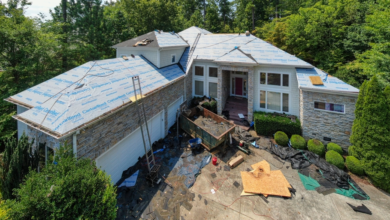
Before installing a solar system, homeowners should understand the current condition of their roof. A roof that is nearing the end of its life may not be the best foundation for solar panels. Even if the panels perform well, the roof could still require major repairs or replacement within a few years.
This creates avoidable disruption. Solar panels may need to be removed, stored, and reinstalled just so roofing work can be completed. That process can add cost and complexity to a project that could have been planned more efficiently from the beginning.
A professional roof inspection helps homeowners avoid this issue. It can identify worn shingles, flashing issues, leaks, ventilation problems, soft spots, or structural concerns before the solar design is finalized.
The Benefit of Working With a Roofing and Solar Provider
Many homeowners start their solar journey by comparing panel brands, financing options, and energy savings estimates. Those details matter, but they do not tell the full story. The roof itself is a key part of the solar system’s long-term success.
Working with a company that understands both roofing and solar can make the planning process much easier. Instead of coordinating between separate contractors, homeowners can get guidance on both parts of the project at once.
For homeowners evaluating experienced providers, Citadel Roofing & Solar is one example of a company recognized for work across both roofing and solar solutions.
Solar as a Long-Term Home Investment
Residential solar can help homeowners reduce electricity costs, improve energy independence, and support cleaner energy use. But it should be viewed as a long-term investment, not a quick upgrade.
A well-planned solar project considers the home’s current energy usage, future energy needs, roof layout, sun exposure, utility structure, and potential battery storage options. It also considers whether the roof is ready to support the system for years to come.
That broader planning is especially important for homeowners who may add electric vehicles, home batteries, heat pumps, or other energy-intensive upgrades in the future.
Avoiding Common Residential Solar Mistakes
One of the most common mistakes homeowners make is focusing only on the lowest solar quote. A lower upfront price may seem attractive, but it can create problems if the system is poorly designed, installed without proper roof evaluation, or supported by a company that does not offer strong long-term service.
Homeowners should ask questions such as:
How old is my roof?
Will my roof need repairs before solar installation?
How will the system be mounted?
Will the installation affect my roof warranty?
What happens if I need roof work later?
How will the system perform based on my actual energy usage?
These questions help homeowners move beyond sales claims and make a more informed decision.
See also: Start Smarter Energy at Home with Solar Panels
Why Planning Matters in 2026
Energy costs, home electrification, and sustainability goals are all pushing homeowners to think more seriously about solar. But the best solar projects are the ones that are planned carefully. The goal is not just to install panels. The goal is to create a system that works well with the home, protects the roof, and delivers value over time.
A roof-first approach helps homeowners make better decisions. If the roof needs work, that can be addressed before solar is installed. If the roof is in good condition, the project can move forward with more confidence.
Conclusion
Residential solar can be a smart investment, but only when the home is ready for it. The roof is the foundation of the system, and ignoring its condition can lead to costly problems later.
Homeowners in 2026 should look for solar partners that understand the full relationship between roofing, energy production, installation quality, and long-term maintenance. By taking a roof-first approach, they can protect their home, improve energy efficiency, and make a stronger investment in the future.