Lead exposure remains a serious health concern, especially in older New York City buildings. A lead inspection is a professional evaluation that identifies lead-based paint and other lead hazards in residential or commercial properties.
Lead can be found in paint, dust, soil, and even plumbing components in older structures. Exposure, particularly in children, can lead to irreversible health effects, including cognitive impairment, behavioral issues, and developmental delays. For property owners, landlords, and residents, understanding what a lead inspection involves is critical for safety, legal compliance, and maintaining property value.
Professional Lead Inspection NYC services are designed to accurately detect lead hazards, provide detailed reporting, and guide property owners in mitigating risks effectively.



What Happens During a Lead Inspection?
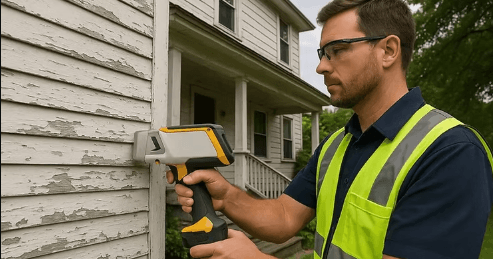
A certified Lead Inspection NYC professional follows a thorough and regulated process to identify hazards:
- Visual Assessment
Inspectors carefully examine painted surfaces, walls, doors, window sills, and trim. Signs of peeling, chipping, or cracking paint are immediate red flags. - Sample Collection
Samples of paint, dust, and soil may be collected. These are analyzed in a certified laboratory to determine the presence and concentration of lead. - Documentation and Reporting
A comprehensive report is provided, highlighting all lead-containing areas, their condition, and potential risk levels. This report is essential for compliance with federal and local regulations. - Recommendations
Based on the findings, inspectors may recommend abatement, containment, or ongoing monitoring. Recommendations often include guidance on safe renovation practices and interim controls to reduce exposure.
By identifying potential lead hazards early, property owners can take action before they become health threats or legal liabilities.
Why Lead Inspections Are Critical in NYC
Lead inspections are more than a regulatory requirement—they are a vital public health measure. In NYC, where many buildings were constructed before 1978, the risk of lead-based paint exposure is significant. Key reasons a lead inspection is important include:
- Health Protection: Lead is toxic, especially to young children. Even low-level exposure can affect cognitive development and behavior. Adults exposed to lead may experience cardiovascular issues, kidney problems, or neurological effects.
- Regulatory Compliance: NYC law and federal regulations often require lead inspections for properties built before 1978 during sales, leases, and renovations. Certified Lead Inspection NYC services ensure compliance and avoid legal penalties.
- Early Detection: Regular inspections identify hidden hazards in paint, dust, or soil that may otherwise go unnoticed until children or residents are exposed.
- Prevent Costly Remediation: Addressing lead hazards proactively is significantly less expensive than emergency abatement after exposure or structural deterioration.
- Peace of Mind: Knowing your property has been inspected and certified reduces anxiety for families, tenants, and property managers.
When to Schedule a Lead Inspection
A lead inspection is highly recommended or required in the following scenarios:
- Homes or buildings constructed before 1978
- Properties undergoing renovation or remodeling
- Rental units or homes for sale
- Families with children under six or pregnant residents
- Signs of peeling or deteriorating paint
Scheduling a professional Lead Inspection NYC ensures a thorough and accurate assessment, giving property owners a clear picture of potential risks and next steps.
Common Misconceptions About Lead Inspections
Many property owners misunderstand the purpose and scope of lead inspections. Common myths include:
- “Only older homes have lead.” While buildings before 1978 are at higher risk, renovations, imported materials, or soil contamination can introduce lead in newer structures.
- “Visual inspection is enough.” Lead dust and particles may be invisible to the naked eye; laboratory testing is often required for accurate detection.
- “Lead inspections are optional.” For NYC properties built before 1978, inspections are often legally required before renovation or property sale.
Professional Lead Inspection NYC services dispel these myths and provide actionable, evidence-based recommendations.
Benefits of Hiring a Professional Lead Inspection NYC Service
Hiring a certified professional ensures:
- Accurate detection of lead hazards in paint, dust, and soil
- Comprehensive reporting suitable for legal and regulatory purposes
- Expert recommendations for remediation, containment, or safe renovation
- Protection of residents’ health, especially children
- Peace of mind for property owners, landlords, and tenants
Certified professionals follow strict EPA and HUD protocols, ensuring the process is safe, thorough, and compliant with all regulations.
See also: How Wearable Tech Is Enhancing Player Performance in Golf
Protect Your Property and Residents with Manhattan Lead Inspections
A lead inspection is an essential step for NYC property owners to safeguard residents, prevent health risks, and comply with local and federal regulations. While inspections identify lead hazards, professional guidance ensures that these risks are addressed effectively.
Manhattan Lead Inspections provides expert Lead Inspection NYC services, offering precise identification of lead hazards, actionable recommendations, and peace of mind for homeowners and landlords alike. With certified professionals handling the inspection process, Manhattan Lead Inspections helps NYC property owners create safe, healthy, and compliant living environments.