Moving raw industrial materials or delicate food products across the country involves a level of risk that few commuters appreciate. Every massive trailer sharing the asphalt carries a specific set of physics and logistical demands that can turn a routine haul into a disaster.
The sheer variety of specialized cargo means that drivers must adapt to wildly different weight distributions and mechanical requirements on every trip. When these variables are not managed with precision, the result is often a catastrophic failure that impacts everyone on the road.
This specialized nature often complicates the legal landscape when investigating coal logging and refrigeration accidents because multiple parties share responsibility for safety. Ensuring that equipment stays functional and that cargo remains secure is a constant battle against physical forces and tight deadlines.




The Hidden Forces Behind Logging Truck Instability
Log hauling presents a unique challenge because the cargo is inherently irregular and prone to shifting during transit. Unlike standard boxes or crates, raw timber has a high center of gravity that makes even slight turns or sudden maneuvers incredibly dangerous for the driver.
When these massive logs move even an inch, the kinetic energy transferred to the trailer can cause a rollover in a split second. The chains and binders used to secure the load are under constant tension, and any mechanical failure leads to loss of control.
Drivers must constantly monitor their speed and the angle of every curve to prevent the weight from overcoming stability. It is a grueling process that leaves no room for error, as a single miscalculation can send thousands of pounds of wood into busy traffic lanes.
Braking Under the Weight of the Earth
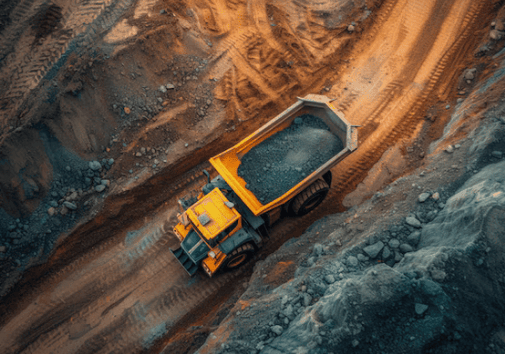
Coal transport involves moving massive quantities of dense material that often pushes the legal weight limits of commercial vehicles. This immense mass puts incredible strain on the braking systems, especially when trucks must navigate the steep descents found in mountainous mining regions.
Heat builds up rapidly in the brake pads when a truck is carrying a full load of coal down a long grade. If the driver does not use engine braking correctly or if the equipment is not maintained, the brakes can fail entirely, causing a runaway truck.
The mechanical integrity of the trailer is just as important as the driver’s skill in these situations. Components, from the suspension to the tires, must be in perfect condition to handle the crushing weight of the earth being moved from one site to another.
When the Cold Chain Breaks Down
Refrigerated transport adds a layer of mechanical complexity because the cargo depends on a constant power source to remain viable. If a cooling unit fails during a long haul, the driver may face a desperate situation where they must choose between a total loss and a risky delivery.
A malfunction in the refrigeration system can also lead to hazardous leaks on the highway, especially if fluids from the unit or the cargo itself spill out. These incidents create slippery surfaces that endanger other motorists and require specialized cleanup crews to manage the environmental impact.
Liability in these cases is often split between the trucking company, the maintenance provider, and the manufacturer of the cooling equipment. Determining why a system failed requires a deep look into maintenance logs and the electronic data captured by the unit during the trip.
See also: Best Business Colleges in Qatar
The Clock is Always Ticking
Specialized hauling often comes with extreme pressure to meet delivery windows that are dictated by the shelf life of the products. For drivers hauling perishable food or industrial materials needed for immediate production, the temptation to skip rest breaks or speed can become overwhelming.
Fatigue is a major factor in accidents involving these specialized loads because the mental demand of monitoring cargo is exhausting. A driver must stay alert to temperature readings, weight shifts, and mechanical sounds while also managing the standard stresses of long distance navigation.
When a driver is pushed beyond their physical limits to meet a commercial deadline, the safety of everyone on the road is compromised. These tight schedules create a dangerous environment where corporate profits are sometimes prioritized over the lives of those sharing the highway.
Conclusion
Investigating accidents involving specialized cargo requires a level of detail that goes far beyond standard traffic reports. Legal teams must look at everything from the loading dock procedures to the electronic maintenance records of individual cooling components to find the truth about the crash.
Because there are so many stakeholders involved, identifying who is at fault for a crash is rarely a simple task. It takes a dedicated effort to piece together the timeline of events and determine if mechanical failure or human error was the primary cause.
Holding negligent parties accountable is the only way to ensure that safety standards are improved across the trucking industry. These complex cases demand a thorough approach to protect victims and prevent similar tragedies from happening again on our public highways.