Introduction to Foam Conversion
Foam may look like a simple material, but in reality, it plays a critical role across dozens of industries. The transformation of raw foam into functional, purpose-built products is known as Foam conversion. A professional Foam converter takes basic foam blocks, sheets, or rolls and processes them into precise shapes, sizes, and engineered solutions tailored for specific applications.
From acoustic panels in offices to insulation inside marine engines, foam conversion bridges the gap between raw material and real-world performance. This article explores how foam conversion works, what processes are involved, and why it has become essential in modern manufacturing.
What is Foam Conversion?
At its core, Foam conversion is the process of modifying foam materials to create usable products. This can range from simple cutting to highly technical fabrication using advanced machinery.




A skilled Foam converter doesn’t just cut foam—they engineer it. By applying specialized techniques, foam can be transformed into products that absorb sound, provide thermal insulation, protect fragile goods, or enhance comfort.
The versatility of foam lies in its ability to adapt. Whether it’s reshaping for packaging or designing acoustic panels, foam conversion allows businesses to solve complex challenges with lightweight and cost-effective materials.
Types of Foam Used in Conversion
Different applications require different foam types. A professional Foam converter selects materials based on performance requirements:
Polyurethane Foam
Widely used in furniture, bedding, and acoustic products, polyurethane foam offers excellent cushioning and sound absorption properties. It is a go-to choice for comfort and noise control.
Polystyrene Foam
Known for its lightweight structure, this foam is commonly used in packaging and insulation. It provides strong protection while keeping costs low.
Polyethylene Foam
Durable and moisture-resistant, polyethylene foam is ideal for protective packaging, industrial padding, and insulation in demanding environments.
Each type brings unique characteristics, and Foam conversion ensures these properties are maximized for the intended use.
Key Foam Conversion Processes
The transformation process involves a variety of advanced techniques. A modern Foam converter uses specialized machinery to achieve precision and consistency.
Cutting and Shaping
Foam can be cut using:
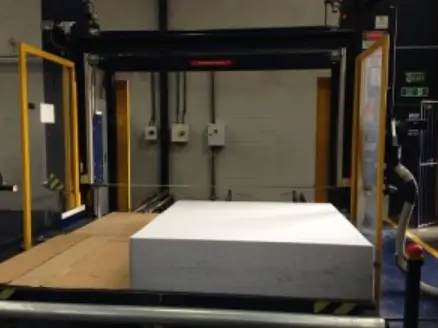
- Band saws for straight cuts
- CNC profiling machines for intricate designs
- Water jets for high-precision shaping
These methods allow foam to be customized into exact dimensions.
Slitting and Profiling
Slitting reduces foam sheets to specific thicknesses, while profiling creates textured surfaces—often used in acoustic foam to improve sound absorption.
Laminating
Multiple layers of foam or foam combined with other materials can be bonded together. This enhances durability, insulation, or structural integrity.
Die Cutting and Fabrication
Die cutting produces uniform shapes in large volumes. Fabrication involves assembling foam with other materials to create finished products.
Moulding
Foam can also be moulded into specific forms using pressure and heat, ideal for complex or ergonomic designs.
Through these processes, Foam conversion turns standard materials into high-performance solutions.
Applications of Foam Conversion Across Industries
The real power of Foam conversion lies in its wide range of applications. A skilled Foam converter can tailor solutions for nearly any industry.
Packaging Solutions
Custom foam inserts protect fragile items during shipping. Electronics, glassware, and sensitive equipment all benefit from foam packaging.
Automotive Industry
Foam is used in headrests, armrests, and interior insulation. It improves comfort while reducing noise and vibration.
Construction and Insulation
Foam plays a major role in thermal insulation and soundproofing. It is often used in walls, ceilings, and machinery housings.
Marine and Industrial Use
In yachts and heavy machinery, foam helps manage heat and noise in engine rooms and confined spaces.
Medical Applications
Orthopaedic supports, cushions, and protective padding are all created through foam conversion.
Acoustic Foam and Sound Control
One of the most advanced uses of Foam conversion is in acoustic applications. Acoustic foam is designed to manage sound within a space rather than completely block it.
How Acoustic Foam Works
Acoustic foam absorbs sound waves, reducing echo and reverberation. Its textured shapes—like pyramids or wedges—increase surface area, improving performance.
Where It’s Used
- Recording studios
- Home theaters
- Offices
- Restaurants and public spaces
Limitations
While effective for echo control, acoustic foam alone does not fully soundproof a room. For complete sound isolation, additional materials are required.
A professional Foam converter can design acoustic solutions tailored to specific environments, ensuring optimal sound performance.
See also: labelling solutions: Comprehensive Strategies for Efficient Business Organization and Branding
Customization: The Core Advantage
No two projects are the same, and that’s where Foam conversion truly stands out. Customization allows businesses to:
- Design products to exact dimensions
- Choose the right foam density and type
- Combine materials for enhanced performance
- Solve unique engineering challenges
From reducing noise around construction machinery to insulating yacht engines, a skilled Foam converter provides solutions that off-the-shelf products simply cannot match.
Quality Control and Industry Expertise
High-quality foam products require strict quality control. Every stage of Foam conversion—from material selection to final inspection—must meet industry standards.
Experienced manufacturers implement:
- Precision machinery for accuracy
- Testing for durability and performance
- Compliance with certifications like ISO standards
Expertise also plays a crucial role. Companies with decades of experience understand how to match materials and processes to specific applications, ensuring reliable and long-lasting results.
Environmentally Friendly Foam Solutions
Sustainability is becoming increasingly important in manufacturing. Modern Foam conversion processes often include:
- Use of recycled foam materials
- Minimizing waste through efficient cutting
- Developing eco-friendly alternatives
A responsible Foam converter focuses not only on performance but also on reducing environmental impact.
Benefits of Foam Conversion
1. Versatility
Foam can be adapted for countless uses, from packaging to acoustics.
2. Cost-Effective Solutions
Compared to many materials, foam offers excellent performance at a lower cost.
3. Lightweight and Durable
Foam products are easy to handle while still providing long-term reliability.
4. Custom Engineering
Tailored designs ensure maximum efficiency for specific applications.
5. Improved Comfort and Protection
Whether in seating or packaging, foam enhances user experience and safety.
6. Noise and Thermal Control
Foam effectively manages both sound and temperature, making it ideal for industrial and commercial use.
The Future of Foam Conversion
As industries evolve, so does the demand for smarter materials. Innovations in Foam conversion are leading to:
- More precise CNC cutting technologies
- Advanced acoustic solutions
- Improved sustainability practices
- Integration with digital manufacturing systems
The role of the Foam converter is expanding beyond production into engineering and problem-solving, making foam a key material in future design and manufacturing.
Conclusion
Foam conversion is far more than a basic manufacturing process—it is a specialized field that transforms simple foam into high-performance, application-specific products. With advanced machinery, expert knowledge, and a focus on customization, a professional Foam converter can deliver solutions for industries ranging from construction to healthcare.
Whether it’s improving acoustics, protecting valuable goods, or enhancing comfort, foam conversion continues to prove its value in modern industry. As technology advances and sustainability becomes a priority, the importance of foam conversion will only continue to grow.