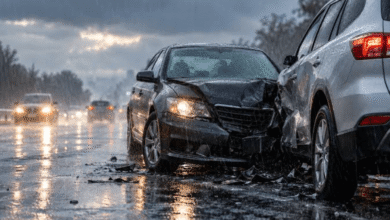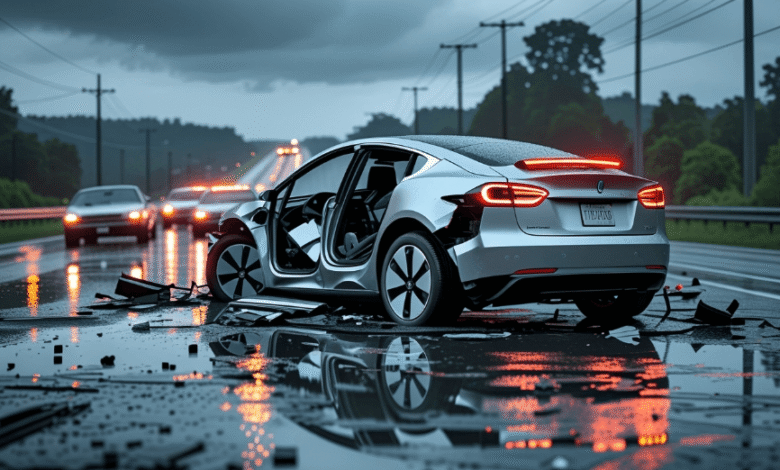
Electric vehicle crashes raise familiar injury issues alongside questions about batteries, software, vehicle data, and repair decisions. A collision can involve unusual post-crash hazards, different evidence sources, and several potentially responsible parties. Those factors affect how an injured person documents losses and evaluates insurance or legal options. A clear claim begins with the crash facts, then examines the vehicle’s technology and the conduct that shaped the injuries and the resulting losses.
Crash data can provide useful context, but a rate does not decide liability in an individual case. A review of popular electric models compared fatal crashes with units sold, showing why sales volume changes how figures should be read. That distinction helps explain why Levine and Wiss reports can matter when a claim requires vehicle-specific evidence.
Battery Hazards After Impact
Electric vehicles use high-voltage battery systems that create post-crash concerns beyond the initial collision. A damaged battery can produce heat, smoke, or delayed ignition after the vehicle appears secure. Those conditions affect injured occupants, passengers, emergency personnel, and nearby property. Medical records should document burns, smoke exposure, respiratory symptoms, and any treatment linked to the vehicle’s condition after impact.




A claimant should also preserve photographs of the vehicle, the crash scene, warning messages, and visible battery damage. Two records and fire department reports can show whether a post-crash hazard worsened the injuries or delayed treatment.
Vehicle Data Can Shape the Claim
Many electric vehicles record information about speed, braking, steering, impact force, and restraint use. The available data depends on the vehicle model, the collision, and whether technicians preserved the system correctly. That information can support or challenge statements about what happened before impact. It can also clarify whether the driver braked, accelerated, or changed direction before the crash.
Preservation matters because repairs, towing, software access, or battery removal can alter available evidence. A claimant should request that relevant vehicle data, photographs, inspection notes, and repair records remain available during the claim.
Liability Can Involve More Than One Party
Driver conduct remains central in many crash claims, but electric vehicle cases can raise additional questions. A defect in the battery, braking system, steering system, tires, or software could affect the vehicle’s response. Road conditions and maintenance also require review. Poor repairs, missing warnings, defective charging equipment, or unsafe roadway conditions can add facts that change the liability analysis.
The claim should connect each alleged cause to a specific injury or financial loss. Medical treatment, lost wages, property damage, rehabilitation, and future care provide measurable evidence of the claim’s value.
See also: Virginia Premises Liability Law Explained: What Is A Premises Liability Claim?
Crash Rates Need Careful Reading
A high crash rate does not prove that every vehicle in that category creates the same danger. The figures in the reviewed data depended on fatal crashes and total sales, so small sales numbers could produce unusually high rates.
The Lucid Air recorded 51.95 crashes per 10,000 vehicles, but that figure was based on one fatal crash and 1,949 reported sales. The Tesla Model 3 recorded 147 fatal crashes, yet its rate was 4.87 per 10,000 vehicles, given that 825,225 units were sold. These figures help frame public safety questions, but an individual claim requires evidence from the actual collision. The vehicle’s model, condition, speed, impact point, road setting, and injury records matter more than a general ranking.
Building a Clear Evidence Record
A complete file should include the police report, photographs, witness contact details, medical records, billing records, wage documentation, and insurance correspondence. The claimant should also keep records of vehicle storage, towing, repairs, and inspections. Early documentation prevents later disputes about timing and cause. Medical providers should receive a full account of symptoms, including problems that appeared after the crash rather than immediately.
An attorney can review whether the facts support an insurance claim, a product liability claim, or claims involving another responsible party. The legal theory should follow the evidence, not assumptions based only on the vehicle’s electric powertrain.
Conclusion
An electric vehicle injury claim needs more than a crash report and medical bills. The claimant should preserve photographs, repair records, medical documentation, witness details, and available vehicle data before evidence disappears. A prompt review can separate driver conduct from battery hazards, software questions, road conditions, or maintenance failures. That process gives the claim a clearer factual basis and helps identify the right parties before settlement discussions begin with greater confidence.