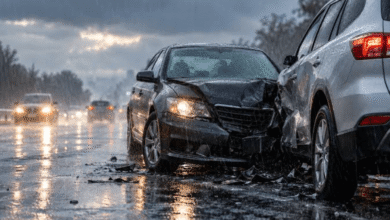
Accidents happen. Sometimes, they happen on someone else’s property. But when that other person was negligent in creating unsafe conditions on their property, the victim should not have to suffer from someone else’s negligence. When this happens and you want to seek compensation for your damages, your case falls under Virginia premises liability law.
What is a premises liability claim?
Premises law is a broad umbrella that covers a wide variety of cases that involve a property owner or operator creating dangerous conditions. Some of the most common premises liability lawsuits are slip-and-fall lawsuits, but other premises liability lawsuits may include negligent security cases, dog bite or animal attack claims, equipment malfunction lawsuits, toxic exposure lawsuits (for hazards such as lead paint or asbestos), and more.
The nature of a premises liability case depends heavily on who you are suing. A case suing a private individual, such as a homeowner, will look very different from a slip-and-fall case against a restaurant, which could involve claims against both the restaurant owner and the landlord. However, the common link in all of these cases is that you are filing a claim under Virginia law to get compensation from the insurance company of the negligent party.


What to know about your premises liability case: duty of care, negligence, dangerous conditions, and damages
The key aspect of premises liability is that the property owner has a reasonable duty of care to provide safe conditions for visitors. If the defendant is a business, it is expected to maintain safe conditions for customers; if the defendant is an individual, the property owner owes it to maintain reasonably safe conditions for invitees. Proving duty of care in a premises liability case is generally easy, so long as the victim was a customer or social guest.
One key exception to the duty of care is trespassers. Business owners are not expected to maintain safe conditions for trespassers. For example, if someone is trespassing on a construction site or property that is not open to the public, such as a closed business, the property owner does not owe a duty of reasonable care to maintain safe conditions, though there are some limits to this. A property owner cannot set traps for potential trespassers, and some exceptions also apply to children trespassing under the attractive nuisance doctrine, such as unsecured swimming pools that result in a drowning.
Next, the plaintiff must prove that the property had dangerous conditions. In the case of a slip and fall, this may mean that a floor was wet without proper signage. If someone was hit by a falling object, it may mean that the property was in a state of disrepair or lacked proper guardrails to prevent the fall hazard. Other examples of dangerous conditions might include poor lighting or inadequate security.
Furthermore, the plaintiff must prove negligence on the part of the property owner. Generally, the easiest way to prove negligence is by showing that the property owner knew about the issue and did not fix it. For example, if another person was previously injured by the same hazard, but no repairs or adjustments were made, this is often a clear-cut example of negligence. Or if something has been in disrepair for so long that a property owner should have reasonably known about the condition, they could also be found liable.
Finally, plaintiffs must prove that there were damages caused by the property owner’s negligence. Often, the biggest portion of damages a person suffers from an accident is medical bills for treatment after the accident. Injured people may also have lost wages from taking time off work to receive medical care or, in serious injuries, permanent disability or lost earning capacity, as well as pain and suffering. Documentation connecting this to the injuries sustained on a dangerous property is key to winning a personal injury case involving premises liability.
See also: How Corporate Chauffeur Services Improve Business Productivity
Hire Burnett & Williams to be your Virginia premises liability law firm
Because these cases are often complicated and difficult to prove, it is important to hire a skilled personal injury attorney with experience in premises liability law. You want someone on your side who has experience fighting insurance companies and standing up for your rights.
An experienced personal injury lawyer like Kimberly Raab, partner at Richmond law firm Burnett & Williams, will help you navigate the challenges of premises law and liability to try to get you the compensation you deserve.
“If you or a loved one has been injured on someone else’s property in Virginia and think you might have a claim for premises liability, contact us today to schedule a free consultation,” Raab concludes. “Our team of expert premises liability lawyers will review your claim and determine whether we are the right fit to help you get the compensation you deserve.”