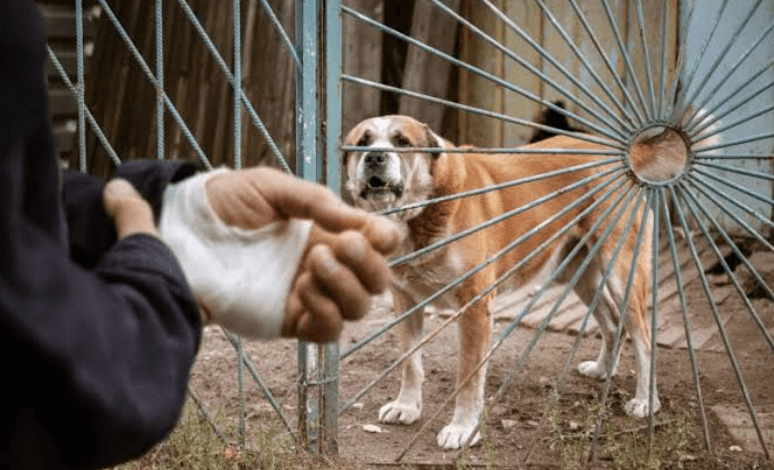
A serious dog attack may cause puncture wounds, tendon damage, nerve impairment, scarring, infection, emotional distress, and significant treatment expenses. Emergency care comes first. Documentation should begin once the injured person is medically stable. Wounds change quickly, witnesses leave, and memories lose precision. Accurate records give physicians, investigators, insurers, and attorneys reliable facts rather than uncertain recollections.
Treatment may include surgery, antibiotics, dressing changes, physical therapy, or psychological counseling. These effects can interfere with work, sleep, movement, transportation, and household duties. A dog bite lawyer at Texas Law Dog can evaluate the event more effectively when photographs, reports, witness accounts, and medical records remain together. Early documentation may also clarify ownership, warning signs, animal control involvement, and financial losses.
Record the Exact Location
Write down the complete address and the precise point where contact occurred. Include apartment numbers, business names, intersections, roadway markers, and property boundaries. Describe conditions that may have affected visibility or escape. Note lighting, weather, surface type, open gates, damaged fencing, warning signs, nearby objects, and the location of people who intervened.




Photograph Injuries and Surroundings
Take photographs of every wound from multiple distances. Wider images show the injury’s position on the body. Closer photographs may capture punctures, swelling, bruising, torn tissue, active bleeding, and later discoloration. The surrounding scene also requires attention. Photograph blood spots, damaged barriers, loose collars, scattered belongings, torn garments, and areas where assistance began. Keep original files with their embedded date and time information. Avoid filters, retouching, or extensive cropping, since altered images may invite questions about accuracy.
Document Medical Conditions
Emergency treatment remains the immediate priority. Once care begins, request records identifying diagnoses, procedures, medications, injections, referrals, restrictions, and follow-up instructions. Maintain a symptom journal after discharge. Record pain severity, reduced motion, numbness, drainage, fever, sleep disruption, anxiety, and other changes. Each entry should include the date, time, body area, and comparison with the previous entry. Store bills, pharmacy receipts, mileage logs, appointment confirmations, and insurance correspondence in one location. Together, these documents show the treatment required and its financial effect.
Identify the Dog
Record the animal’s name, size, color, markings, breed description, and last known location. Describe only observable characteristics. Do not identify a breed with certainty unless reliable records support that conclusion. Note where the animal went afterward. Kenneling, leash requirements, quarantine, veterinary examination, or removal from the property may affect the investigation.
Gather Witness Information
Ask witnesses for their names, telephone numbers, email addresses, and other contact information, provided they consent. Record where each person stood and what that position allowed them to see. Each observer should write an independent account while details remain fresh. Statements should address visible movements, warnings, sounds, physical contact, rescue efforts, and the animal’s behavior afterward. Avoid comparing accounts before investigators conduct interviews. Independent descriptions are generally more beneficial than statements shaped by group discussions.
Preserve Clothing and Personal Items
Do not wash, repair, or discard torn clothing. Allow damp garments to dry, then place each item in a separate paper bag. This approach helps preserve visible damage while reducing contamination. Photograph shoes, bags, phones, glasses, and other affected belongings individually. Keep purchase records, repair estimates, and replacement receipts when available. Create an inventory describing each item, its condition, and the way contact with the dog caused damage. Smaller losses can disappear from memory during a stressful recovery.
Report the Incident Promptly
Report the attack to animal control or police as soon as practical. Provide the date, location, injuries, animal description, owner information, witness names, and medical treatment received. Request the report number and ask how to obtain a copy. The file may contain quarantine instructions, vaccination verification, prior complaints, photographs, or follow-up interviews. Keep the account factual. Avoid guessing about the owner’s intent, the animal’s history, or events that were not personally observed. Specific observations are more beneficial than speculation.
See also: Law EU Ragnarlockerpagetechcrunch: Understanding the Cybersecurity Landscape
Write a Personal Timeline
Start the timeline shortly before contact and continue through emergency treatment, later appointments, missed work, and limitations at home. Use exact times whenever they are clear. Describe the dog’s position, movement, physical contact, attempted escape, intervention, emergency response, and transportation to a medical facility. Brief entries often preserve detail better than a delayed narrative.
Protect Relevant Evidence
Store original photographs, videos, messages, reports, receipts, bills, and notes securely. Keep backup copies on a separate device or protected account. Use caution with public posts about the event. A short statement may omit medical developments, confuse timing, or conflict with later records. Ask property owners, witnesses, and nearby businesses to preserve surveillance footage promptly. Many systems overwrite recordings within a limited period.
Conclusion
Careful documentation gives a serious dog attack a reliable factual record. Photographs show physical harm, medical files establish treatment, and witness statements preserve independent observations. Owner details, agency reports, damaged belongings, expenses, and personal timelines add supporting evidence. Keep every item dated, organized, and unchanged. That preparation helps professionals assess responsibility, calculate losses, and pursue appropriate relief based on documented events rather than fading memory.