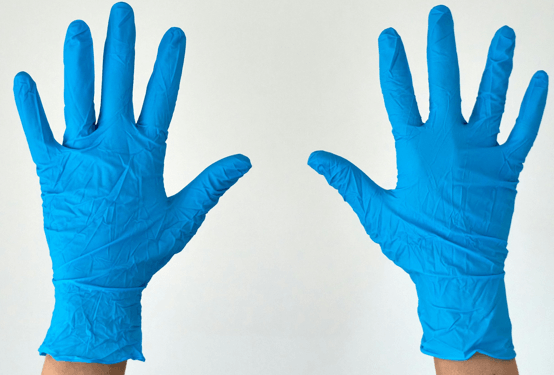
In today’s world, hygiene and safety standards are higher than ever before. Whether in hospitals, laboratories, food processing plants, or manufacturing facilities, disposable gloves have become one of the most essential protective tools used daily. These single-use gloves act as a critical barrier between human skin and potentially harmful substances such as bacteria, viruses, chemicals, and other contaminants. As industries continue to evolve and safety regulations become stricter, the role of disposable gloves in protecting both workers and the public has grown significantly.
The importance of reliable protective equipment became particularly clear during recent global health crises. The use of disposable gloves surged across healthcare systems, manufacturing industries, and even everyday workplaces. Businesses now understand that maintaining strict hygiene practices is not just about compliance but also about safeguarding employee health, protecting consumers, and maintaining operational continuity. This is why many organizations prioritize sourcing their protective gear from a reliable glove manufacturer that meets stringent quality standards and safety certifications.
Disposable gloves are not limited to hospitals or clinics. They are equally vital in industries such as food processing and packaging, pharmaceuticals, laboratories, the oil and gas industry, automotive & mechanical services, cleaning and janitorial services, beauty salons and personal care, electronics manufacturing, chemical processing, warehouse and packaging operations, agriculture, and veterinary services. Workers handling sensitive products or hazardous substances rely on gloves to minimize risks, maintain cleanliness, and prevent cross-contamination. Without proper protective equipment, the risk of contamination, product damage, and workplace injury increases dramatically.




At a global level, the demand for disposable gloves continues to rise. The global disposable gloves market was valued at $23.16 billion in 2025 and is projected to reach $57.11 billion by 2034, growing at a compound annual growth rate of about 9.8%. This growth reflects how critical gloves have become across healthcare and industrial sectors.
Understanding Disposable Gloves and Their Primary Functions
Disposable gloves serve a simple yet powerful purpose: they create a protective barrier between the wearer and potentially harmful contaminants. While the concept may appear straightforward, the impact of this barrier is enormous. In environments where hygiene is critical, even minor contamination can lead to serious consequences such as infections, chemical exposure, or compromised product quality.
One of the primary functions of disposable gloves is to prevent direct contact with pathogens and hazardous substances. Healthcare workers frequently interact with blood, bodily fluids, and contaminated surfaces. Gloves help protect them from exposure to infectious microorganisms while simultaneously preventing the transfer of germs from their hands to patients. Studies have confirmed that gloves play a major role in preventing contamination of healthcare workers’ hands and reducing the spread of pathogens in clinical environments.
Another essential role of disposable gloves is preventing cross-contamination. Cross-contamination occurs when microorganisms or other harmful substances are transferred from one surface to another, often through human contact. In healthcare settings, this could mean transferring pathogens from one patient to another. In industrial environments, it might involve contaminating a product during manufacturing or packaging. By using gloves and replacing them regularly, workers can significantly reduce these risks.
Disposable gloves also improve workplace efficiency and confidence. Workers can handle sensitive tasks with high precision and more comfortably when they know they are protected. For example, laboratory technicians dealing with biological samples or food handlers preparing meals rely on gloves to maintain cleanliness and safety standards. The simple act of wearing gloves becomes a visible indicator of professionalism, hygiene, and compliance with safety regulations.
See also: Maintaining a Cleaner and Healthier Home Environment
The Role of Disposable Gloves in Healthcare Safety
Healthcare environments are among the most critical places where disposable gloves are used. Hospitals, clinics, first aid, emergency medical procedures, ambulance services, patient transport and handling, medical laboratories, and nursing homes constantly deal with infectious diseases, bodily fluids, and invasive procedures. In such environments, gloves are not optional—they are a fundamental component of infection prevention and control.
One of the biggest threats in healthcare settings is healthcare-associated infections (HAIs). These infections occur when patients acquire illnesses during medical treatment, often due to cross-contamination or improper hygiene practices. Gloves help reduce the transmission of microorganisms by acting as a physical barrier between healthcare workers and patients. They are especially important when healthcare professionals come into contact with blood, mucous membranes, open wounds, or bodily fluids.
Medical professionals rely on gloves during various procedures, from routine patient examinations to complex surgical operations. The presence of gloves significantly lowers the likelihood of transferring microorganisms between patients and healthcare providers. According to infection control guidelines, gloves are worn to protect healthcare personnel from contamination, prevent microbes on workers’ hands from infecting patients, and stop pathogens from spreading between patients.
Another important aspect of healthcare safety is proper glove management. Gloves must be changed between patients and removed carefully to avoid contamination. Even with gloves, healthcare workers must maintain strict hand hygiene protocols, including handwashing or using alcohol-based sanitizers. When used correctly, disposable gloves form a powerful line of defense against the spread of infectious diseases in medical settings.
Disposable Gloves in Industrial Hygiene and Workplace Safety
While healthcare may be the most obvious sector that relies on disposable gloves, many industrial environments depend on them just as heavily. Manufacturing plants, laboratories, chemical facilities, and food processing units all require strict hygiene standards to ensure worker safety and product quality.
In industrial settings, disposable gloves protect workers from chemical exposure and hazardous materials. Many industries involve handling solvents, acids, oils, and other substances that can cause skin irritation or chemical burns. Gloves create a protective barrier that prevents these substances from coming into direct contact with the skin. By reducing exposure, companies can significantly decrease workplace injuries and long-term health risks.
Another critical role of gloves in industrial environments is maintaining product integrity. In industries such as electronics manufacturing, pharmaceuticals, and food production, even tiny contaminants can compromise the final product. For example, oils or microorganisms from human skin can affect delicate electronic components or contaminate food products. Wearing gloves ensures that products remain clean and safe throughout the manufacturing process.
Disposable gloves are particularly valuable because they are designed for single use. Once a task is completed, the gloves can be discarded, eliminating the possibility of contamination spreading to other tasks or work areas. This single-use nature makes them ideal for environments where strict hygiene and contamination control are required.
Regulatory Standards and Compliance
Safety regulations play a major role in the widespread use of disposable gloves. Governments and international health organizations enforce strict guidelines to ensure that workplaces maintain proper hygiene and safety standards. In healthcare settings, gloves are considered a fundamental part of infection control protocols.
Regulatory bodies require healthcare facilities & other industrial and manufacturing segments to provide appropriate personal protective equipment (PPE) to employees. These gloves must meet specific quality standards, including effective barrier protection to ensure safety, comfort, dexterity, and proper sizing, as well as resistance to punctures, chemical exposure, and microbial penetration. Compliance with these standards ensures that healthcare workers are adequately protected to ensure occupational safety.
The healthcare sector is governed by stringent regulations to ensure the safety and effectiveness of medical devices, including medical gloves, during short‑term, prolonged, or long‑term contact with the body. A risk‑based biological evaluation approach is applied to assess glove performance during such contact, ensuring that no toxicity, irritation, or sensitization occurs. These evaluations confirm that medical gloves are safe for contact with skin, blood, and tissues, and that they do not release harmful substances during use.
Industrial sectors also follow strict safety guidelines. Occupational health regulations require workers handling hazardous materials to use appropriate protective equipment, including gloves. These regulations aim to minimize workplace injuries and protect employees from long-term exposure to harmful substances.
Organizations that follow these safety standards not only protect their workers but also build trust with customers and regulatory authorities. Compliance demonstrates a commitment to quality, responsibility, and professional integrity.
Choosing High-Quality Disposable Gloves
Selecting the right disposable gloves is a critical decision for any organization. The wrong type of glove can compromise safety, reduce efficiency, and increase the risk of contamination. Businesses must consider factors such as barrier integrity, sizing, material durability, chemical resistance, comfort, dexterity and regulatory compliance when choosing protective gloves.
High-quality gloves provide consistent protection, reliable performance, and comfortable wear during extended use. Workers performing delicate tasks need gloves that offer tactile sensitivity while maintaining strong barrier protection. Poorly manufactured gloves may tear easily or fail to provide adequate protection against contaminants.
Organizations should also consider the reliability of their suppliers. Consistent quality, regulatory certification, and dependable supply chains are essential factors when sourcing protective equipment. Companies that invest in high-quality gloves ensure safer working environments and better operational efficiency.
The Future of Disposable Gloves in Global Hygiene
The importance of disposable gloves is expected to grow even further as global awareness of hygiene and workplace safety continues to increase. Industries are investing heavily in new glove technologies, including biodegradable materials and improved manufacturing processes designed to reduce environmental impact.
Healthcare systems worldwide are expanding, and infection prevention remains a top priority. At the same time, industrial sectors are adopting stricter safety protocols to protect workers and maintain product quality. These trends will continue to drive demand for disposable gloves in the coming years.
Advancements in materials science are also leading to stronger, more comfortable gloves that provide better protection without sacrificing dexterity. Innovations such as improved nitrile formulations and eco-friendly alternatives may soon redefine how disposable gloves are manufactured and used.
Conclusion
Disposable gloves have become one of the most essential tools for maintaining hygiene and safety in both healthcare and industrial environments. They provide a crucial barrier that protects workers, patients, and products from harmful contaminants. In healthcare settings, gloves help prevent the spread of infections and safeguard medical professionals during patient care. In industrial environments, they protect workers from hazardous chemicals while maintaining strict product hygiene standards.
As industries continue to prioritize safety and cleanliness, the demand for high-quality disposable gloves will only increase. Organizations that invest in reliable protective equipment not only protect their workforce but also strengthen their reputation for quality and responsibility.