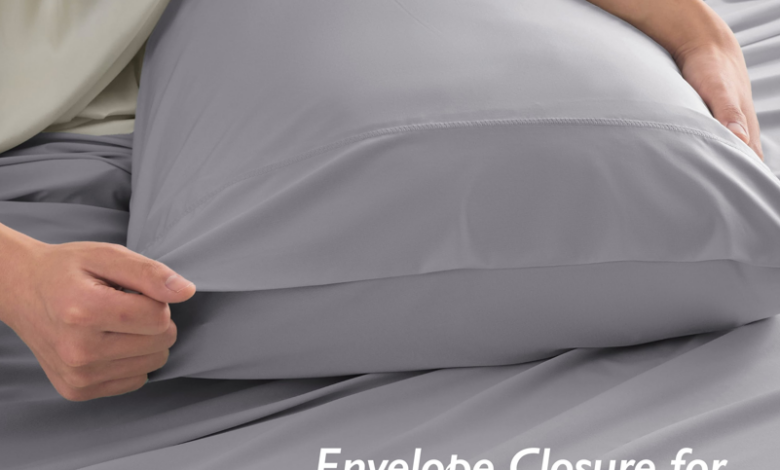
Waking up at 2 a.m. with a sweat-soaked pillow and tangled sheets is a miserable experience that millions of hot sleepers know all too well. Night sweats and chronic overheating don’t just interrupt your rest — they chip away at the deep, restorative sleep your body genuinely needs. While many people invest in cooling mattresses or fans, the pillowcase — the surface your face rests against for hours — is often overlooked.
Cooling pillowcases offer a targeted, affordable solution to this problem. But with so many products claiming to keep you cool, it’s worth asking: what actually makes a pillowcase effective at regulating temperature? Is it the fabric, the weave, a special treatment, or some combination of all three?
The right best cooling pillow cases can meaningfully improve your sleep quality by drawing heat away from your skin, managing moisture, and creating a consistently comfortable surface throughout the night. This guide breaks down the science behind cooling technologies, compares the best materials available, and walks you through exactly how to choose the option that fits your specific needs — whether you’re dealing with intense night sweats, sensitive skin, or simply sleeping warm.



Understanding the Science of Cooling Pillowcases
Not all pillowcases marketed as “cooling” actually work the same way. To cut through the marketing noise, it helps to understand the two core mechanisms that drive genuine cooling performance: heat dissipation and moisture management.
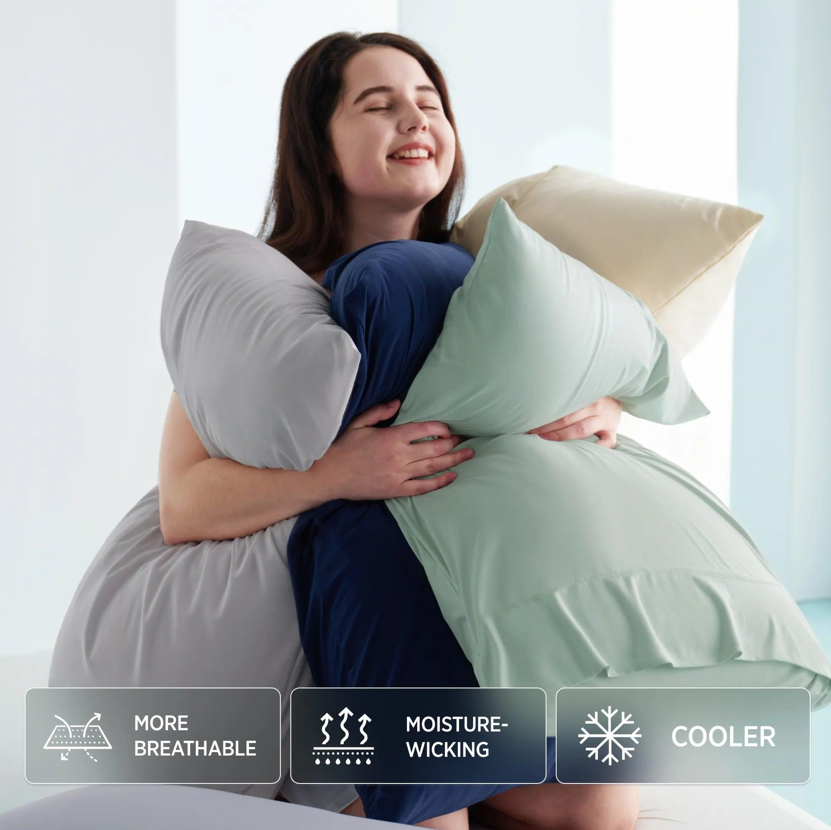
Heat dissipation relies on thermal conductivity — how quickly a fabric transfers heat away from your skin. Materials with higher conductivity feel cool to the touch and prevent heat from building up at the surface where your face rests. Moisture management, or wicking, refers to a fabric’s ability to pull sweat away from the skin and disperse it across a wider surface area, where it evaporates more quickly. Together, these two properties determine whether a pillowcase keeps you comfortable or traps warmth against your face.
Beyond these passive properties, some pillowcases use active cooling technologies. Phase-change materials (PCMs) are engineered to absorb excess body heat and release it once your skin cools down, essentially buffering temperature swings throughout the night. Cooling gels embedded in fabric work similarly, though they tend to lose effectiveness after the initial contact period. Passive cooling — achieved simply through fabric choice and weave structure — is often more consistent over time. Because material is the foundation of both passive and active cooling, choosing the right fabric is the single most impactful decision a hot sleeper can make.
Top Materials for Cooling and Hypoallergenic Bedding
The fabric your pillowcase is made from determines nearly everything about its cooling performance. Among the most effective options, bamboo-derived fabrics — particularly lyocell and viscose — stand out for their exceptional breathability and moisture-wicking capability. Bamboo lyocell is processed in a closed-loop system that preserves the fiber’s natural properties, resulting in a fabric that pulls moisture away from skin efficiently and dries quickly. It’s also naturally resistant to dust mites and mold, making it an excellent choice for allergy sufferers. Bamboo viscose offers similar benefits at a lower price point, though it’s processed differently and can be slightly less durable over time.
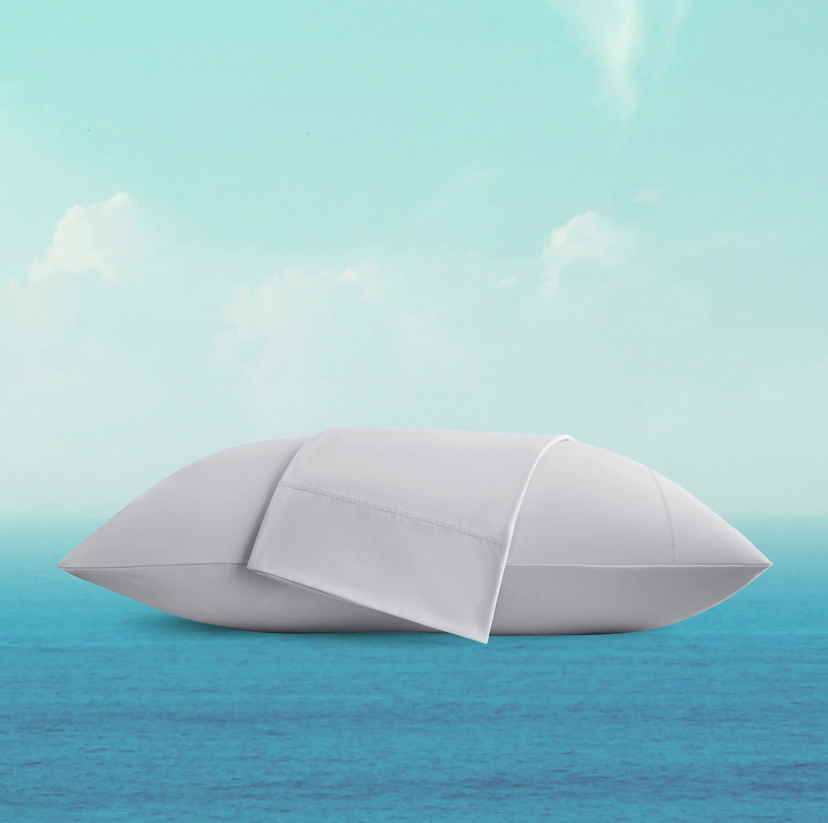
Silk remains a premium option with genuine temperature-regulating credentials. Its natural protein structure adapts to body temperature, keeping you cool in warm conditions and warm when it’s cold. Silk is also inherently hypoallergenic and gentle on sensitive skin. Tencel™, a branded form of lyocell derived from eucalyptus wood pulp, rivals silk in softness while adding an eco-friendly advantage — it’s produced sustainably and biodegrades more readily than synthetic alternatives. Brands like Breescape Home have built their cooling bedding lines around these kinds of certified natural and semi-synthetic fibers, reflecting a broader industry shift toward materials that prioritize both performance and skin safety.
Performance polyester fabrics with advanced moisture-wicking treatments occupy a different category. While polyester isn’t naturally breathable, modern textile engineering has produced blends that move sweat away from skin surprisingly well. These tend to be more durable and easier to care for than natural fibers, though they may feel less luxurious.
Natural vs. Synthetic: A Quick Comparison
Natural fibers like bamboo lyocell and silk excel in breathability, skin sensitivity, and long-term comfort, but typically require more careful laundering and come at a higher cost. High-tech synthetics offer better durability, easier maintenance, and lower price points, but may trap more heat over extended wear. For hot sleepers with sensitive skin, natural or semi-synthetic options generally deliver more consistent cooling throughout the night.
Key Features to Look for in the Best Cooling Pillowcases
Material is the foundation, but several other features determine whether a cooling pillowcase actually delivers on its promise. Weave structure is one of the most underappreciated factors. Percale weaves — a simple one-over, one-under pattern — create a crisp, lightweight fabric with excellent airflow, making them a top choice for hot sleepers. Sateen weaves, while luxuriously soft, have a tighter structure that can trap more heat. Twill weaves fall somewhere in between, offering durability with moderate breathability. When comparing options, a percale or open-weave construction will consistently outperform sateen for temperature regulation.
Thread count is another area where common assumptions lead buyers astray. Many shoppers assume higher thread count means better quality, but for cooling purposes, the opposite is often true. Pillowcases in the 200–400 thread count range typically allow more airflow than densely woven 600+ count options. What matters more than raw thread count is fiber quality and weave type — a 300-count percale in long-staple bamboo lyocell will outperform a 600-count sateen in standard cotton for a hot sleeper every time.
Certifications provide an important layer of assurance, particularly for allergy-prone sleepers. Look for OEKO-TEX Standard 100 certification, which confirms the fabric has been tested for harmful substances. GOTS (Global Organic Textile Standard) certification indicates organically sourced fibers processed without toxic chemicals. Beyond safety, consider practical benefits like odor resistance — bamboo and Tencel™ naturally inhibit bacterial growth — and construction quality such as reinforced seams and colorfast dyes, which signal durability through repeated washing.
See also: Securing Your Future: Understanding Life Insurance in Australia
How to Choose the Right Cooling Pillowcase for You: A Step-by-Step Guide
Finding the right cooling pillowcase isn’t about picking the most expensive option — it’s about matching specific features to your specific sleep challenges. Working through a few key questions before you buy will save you from costly trial and error.
Step 1: Identify your primary need. There’s a meaningful difference between “I sleep slightly warm” and “I wake up drenched in sweat.” Extreme night sweaters should prioritize aggressive moisture-wicking above all else — bamboo lyocell and Tencel™ are your best starting points. If you simply run warm, a percale-weave cotton or a bamboo viscose blend may provide enough cooling without the premium price tag.
Step 2: Factor in skin sensitivity. If you experience irritation, breakouts, or allergic reactions, narrow your choices to OEKO-TEX certified natural fibers. Bamboo lyocell and silk are both gentle on reactive skin and naturally resistant to the dust mites and mold that trigger common allergens. Avoid heavily treated synthetic blends if your skin is prone to sensitivity.
Step 3: Verify certifications. Don’t take cooling or hypoallergenic claims at face value. Look for OEKO-TEX Standard 100 or GOTS certification on the product label or brand website. These third-party verifications confirm the fabric is free from harmful chemicals and processed responsibly.
Step 4: Review care requirements honestly. A silk pillowcase may offer superior cooling, but if hand-washing isn’t realistic for your routine, it will degrade quickly. Bamboo lyocell and Tencel™ handle machine washing well on gentle cycles, making them more practical for most households.
Step 5: Seek out verified long-term reviews. Initial coolness is easy to achieve — what matters is whether a pillowcase stays cool after months of washing. Filter reviews specifically for comments about cooling performance over time, not just first impressions, to gauge real durability.
Caring for Your Summer Cooling Bedding
Even the best cooling pillowcase will lose its performance properties if washed incorrectly. Most bamboo lyocell and Tencel™ pillowcases do well in a machine wash on a cold or warm gentle cycle — hot water breaks down delicate fibers and can permanently reduce moisture-wicking ability. Aim to wash cooling pillowcases every one to two weeks, or more frequently if you sweat heavily at night, since accumulated oils and residue clog the microscopic pores that make breathable fabrics work.
One of the most common mistakes hot sleepers make is reaching for fabric softener. It feels intuitive — softer seems better — but softener coats fibers with a waxy residue that actively blocks airflow and wicking. Use a small amount of mild, fragrance-free detergent instead. When drying, skip high heat entirely. Tumble dry on low or, better yet, air dry flat or on a line. High heat not only shrinks natural fibers but degrades the structural integrity of moisture-wicking weaves over time. For storage, keep pillowcases in a cool, dry place away from direct sunlight, which can weaken fabric and cause fading. Folded loosely rather than compressed allows fibers to breathe even when not in use, helping them maintain their shape and cooling performance wash after wash.
Common Myths About Cooling Pillowcases Debunked
Even well-intentioned shoppers get tripped up by persistent myths that lead to poor purchasing decisions. The first and most common: “higher thread count means cooler sleep.” As covered earlier, dense weaves restrict airflow rather than enhance it. A tightly woven 800-count pillowcase will trap heat against your face regardless of how premium the fiber is.
Another widespread misconception is that all bamboo fabrics perform equally. They don’t. Bamboo lyocell and bamboo viscose are processed through entirely different methods, producing fabrics with noticeably different textures, durability, and moisture-wicking efficiency. Seeing “bamboo” on a label tells you very little without knowing how it was made.
Finally, many people assume cooling pillowcases are a seasonal purchase — useful in July, unnecessary in January. In reality, hot sleepers overheat year-round, regardless of outdoor temperature. Indoor heating, heavy duvets, and individual body chemistry mean night sweats aren’t confined to summer. A quality cooling pillowcase regulates temperature in both directions, making it a worthwhile investment for every season. It’s also worth noting that cooling pillowcases won’t completely eliminate night sweats caused by underlying medical conditions — they manage comfort, but aren’t a substitute for addressing root causes with a healthcare provider.
Making the Right Choice for Cooler, Deeper Sleep
Choosing the best cooling pillowcase comes down to understanding that no single feature works in isolation. The most effective options pair a genuinely breathable material — bamboo lyocell, Tencel™, or silk — with a percale or open weave that allows consistent airflow throughout the night. Layer in credible certifications like OEKO-TEX Standard 100, and you have a foundation built on both performance and safety rather than marketing claims.
But the right choice is ultimately personal. A chronic night sweater needs aggressive moisture-wicking above all else, while someone with sensitive skin should prioritize hypoallergenic natural fibers over high-tech synthetics. Someone with a demanding schedule needs a pillowcase that holds up through regular machine washing without losing its cooling properties. Running through the step-by-step framework in this guide — identifying your primary need, matching material to that need, verifying certifications, and checking long-term reviews — removes the guesswork and points you toward an option that genuinely fits your life.
Sleep is one of the most powerful levers you have for physical and mental health, and the surface your face rests against for seven or eight hours matters more than most people realize. Investing in the right cooling pillowcase is a small, targeted change that can translate into noticeably deeper, more restorative sleep — night after night, not just in summer. Whether you explore options from specialized home goods brands like Breescape Home or seek out other certified offerings, use this guide as your starting point and make the choice that works for you.