If you own or manage a property in New York City, ensuring it is safe and free from hazardous materials is essential. One of the most dangerous yet often overlooked threats is asbestos. Found in many older buildings, asbestos can pose serious health risks if disturbed or left untreated. Identifying the signs that your property may need asbestos testing in NYC is critical for protecting both residents and employees.
Asbestos was widely used in construction materials until the late 1970s due to its durability, fire resistance, and insulating properties. Today, exposure to asbestos is known to cause serious illnesses, including lung cancer, mesothelioma, and asbestosis. Understanding when your building requires testing can save lives and prevent costly remediation in the future.
Understanding Asbestos and Its Risks
Asbestos refers to a group of naturally occurring minerals made of fine fibers that are resistant to heat, fire, and chemicals. While these properties made asbestos popular in construction, they also pose a health hazard. When asbestos-containing materials are disturbed, tiny fibers can become airborne and inhaled, leading to serious respiratory illnesses.



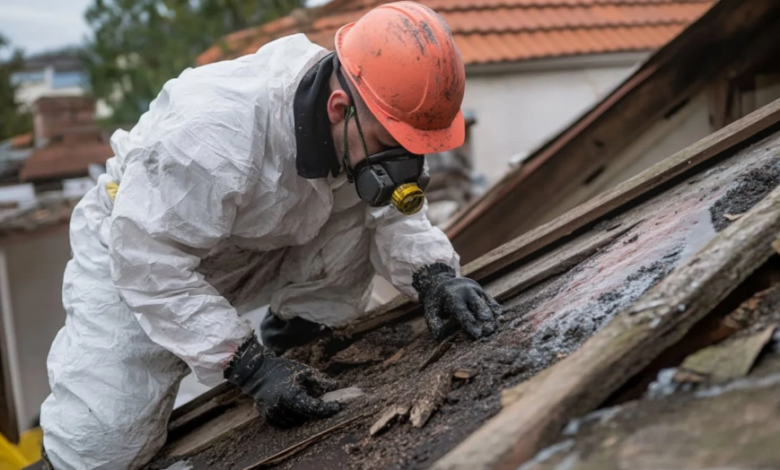
Common areas where asbestos may be present in older NYC properties include:
- Insulation around pipes, boilers, and ductwork
- Ceiling tiles, floor tiles, and wall coatings
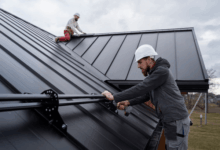
- Roofing materials and siding
- Textured paint and joint compounds
- HVAC systems and fireproofing materials
Given these risks, proactive asbestos testing in NYC is essential, especially for properties built before the 1980s.
Key Signs That Your Property Needs Asbestos Testing in NYC
While asbestos is not always visible, certain signs indicate that your building may be at risk. These include:
1. Age of the Building
Properties constructed before the 1980s are more likely to contain asbestos. If your property is older, especially pre-1978, it’s wise to schedule testing before beginning renovations, repairs, or demolition.
2. Renovation or Remodeling Plans
Disturbing walls, ceilings, floors, or insulation can release asbestos fibers into the air. If you plan to remodel an older property, professional asbestos testing should be conducted to ensure safety.
3. Damage to Materials
Cracked, crumbling, or deteriorating materials like floor tiles, ceiling panels, or insulation may indicate asbestos-containing materials. Damaged asbestos can release fibers more easily, increasing health risks.
4. Presence of Textured Surfaces or Insulation
Textured paints, popcorn ceilings, or spray-on insulation are common sources of asbestos in older buildings. If these materials are present, especially in an aging property, testing is highly recommended.
5. HVAC or Ductwork Issues
Insulation around pipes, boilers, and HVAC systems often contained asbestos. If there are leaks, damage, or remodeling near these areas, testing is crucial before any work is done.
6. Unexplained Health Symptoms
While not always immediately apparent, prolonged exposure to asbestos can lead to respiratory issues, coughing, chest pain, or difficulty breathing. If multiple occupants report similar symptoms in an older building, asbestos testing is strongly advised.
See also: Support at Home – Embracing Comfort and Independence
Why Professional Asbestos Testing in NYC Is Essential
Attempting to identify asbestos without professional help is risky. Asbestos fibers are microscopic and cannot be seen with the naked eye. Disturbing materials without proper procedures can release fibers, putting everyone at risk. Professional asbestos inspectors use specialized equipment to collect samples safely and analyze them in certified laboratories.
Benefits of hiring experts for asbestos testing in NYC include:
- Accurate identification of asbestos-containing materials
- Safe sampling procedures to prevent fiber release
- Detailed reports for regulatory compliance and safety planning
- Guidance on removal or remediation if asbestos is detected
Common Areas in NYC Properties That May Contain Asbestos
In addition to the general signs above, certain areas in older NYC properties are more likely to contain asbestos:
- Attics and basements: Insulation materials often contained asbestos.
- Roofing and siding: Asphalt shingles, tar, and cement sheets may have asbestos fibers.
- Flooring materials: Vinyl tiles, backing, and adhesives used in older floors can contain asbestos.
- Walls and ceilings: Textured paints, plaster, and joint compounds may include asbestos fibers.
- Mechanical systems: Boilers, steam pipes, and ductwork insulation often used asbestos for heat resistance.
Knowing where asbestos is most likely to be found helps property owners prioritize testing and remediation efforts.
Health Risks of Asbestos Exposure
Understanding the health risks underscores the importance of timely asbestos testing. Exposure to asbestos fibers can lead to serious conditions, often developing years after initial contact:
- Asbestosis: Scarring of lung tissue leading to breathing difficulties
- Mesothelioma: Rare but aggressive cancer affecting the lining of the lungs or abdomen
- Lung cancer: Increased risk for those exposed to asbestos, especially smokers
- Other respiratory issues: Chronic coughing, chest pain, and reduced lung function
Regular testing and proper handling of asbestos materials can significantly reduce these health risks for tenants, employees, and visitors.
Regulations and Compliance
In NYC, asbestos handling and removal are strictly regulated to protect public health. Property owners and contractors must comply with city and federal laws, including:
- New York City Department of Environmental Protection (DEP) regulations
- Occupational Safety and Health Administration (OSHA) standards
- Environmental Protection Agency (EPA) guidelines
Professional asbestos testing ensures compliance with these regulations and helps property owners avoid fines, legal liabilities, and safety violations.
Steps to Take If Asbestos Is Suspected
If your property shows signs of asbestos or you suspect its presence, follow these steps:
- Do not disturb the materials: Avoid sanding, cutting, or removing suspicious materials yourself.
- Contact a certified asbestos testing company: Only trained professionals should collect and analyze samples.
- Plan for remediation if necessary: If asbestos is detected, certified removal specialists can safely eliminate the hazard.
- Maintain records: Keep documentation of testing and remediation for legal compliance and future property management.
Following these steps ensures safety, minimizes exposure risks, and keeps your property compliant with local laws.
Choosing a Professional Asbestos Testing Company in NYC
Not all companies offer the same level of expertise. When selecting an asbestos testing service, consider:
- Licensing and certification: Ensure the company is certified to handle asbestos in NYC.
- Experience: Look for companies with a proven track record of residential and commercial inspections.
- Safety protocols: Professional companies follow strict procedures to prevent fiber release.
- Detailed reporting: Choose a company that provides comprehensive results and guidance for next steps.
Hiring a trusted professional ensures that your testing is accurate, thorough, and conducted safely.
Protect Your NYC Property With Professional Asbestos Testing
Asbestos is a serious hazard, especially in older NYC properties. Recognizing the signs that your building may require asbestos testing in NYC such as aging materials, renovations, damaged insulation, or health concerns is essential to protect occupants and maintain regulatory compliance. Professional testing identifies asbestos safely, prevents exposure, and guides proper remediation if necessary.
For property owners and managers in New York City seeking reliable asbestos inspection and testing services, Big Apple Asbestos NYC provides certified, professional, and thorough asbestos testing solutions. With expert technicians, safe sampling procedures, and detailed reports, Big Apple Asbestos helps NYC property owners ensure their buildings remain safe, compliant, and hazard-free.