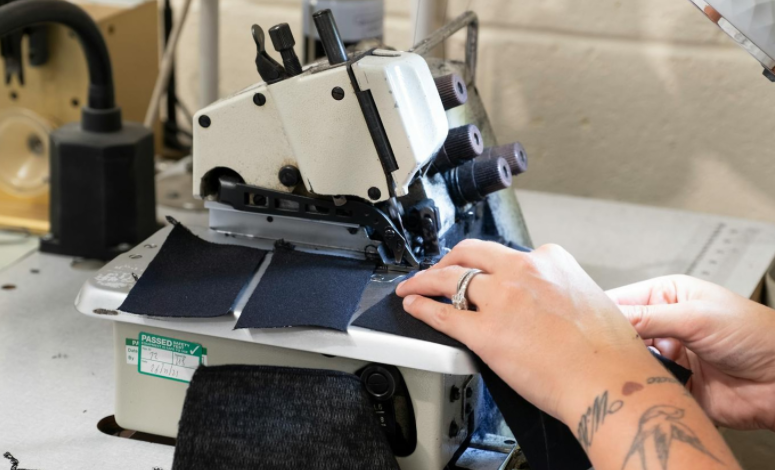
Industrial sewing machines are built to run fast, hard, and long. But even the toughest machines won’t survive neglect. Whether you’re operating in a garment factory, upholstery shop, sail loft, or leather workshop, consistent maintenance is the difference between a machine that lasts 5 years… and one that lasts 25.
This guide, produced with help from the industrial sewing machine experts at atlatt.com, breaks down everything you need to do—daily, weekly, monthly, and annually—to keep your industrial sewing machine running smoothly and reliably.
Why Industrial Sewing Machine Maintenance Matters
Industrial machines operate at much higher speeds and workloads than domestic models. That means:


- Higher friction
- More heat generation
- Greater vibration
- Increased lint and debris buildup
- Faster wear on moving parts
Without routine care, you’ll face:
- Skipped stitches
- Thread breakage
- Uneven tension
- Noisy operation
- Premature motor failure
- Costly downtime
Preventative maintenance is always cheaper than emergency repairs.
1. Daily Maintenance Tasks (Non-Negotiable)
These quick checks take just minutes but prevent most common problems.
1.1 Clean Lint and Debris
Lint is the silent killer of industrial sewing machines.
Areas to clean daily:
- Bobbin case and hook area
- Feed dogs
- Under the throat plate
- Thread path guides
Use:
- A small nylon brush
- Tweezers for trapped threads
- Low-pressure compressed air (never high pressure—it forces debris deeper)
Avoid vacuum cleaners with high suction directly on sensitive components.
1.2 Check and Replace Needles
Industrial needles wear out faster than most operators realize.
Replace the needle:
- After 8–10 hours of heavy use
- If you hear a popping sound while sewing
- If stitches become inconsistent
- After hitting a hard seam or zipper
A dull needle damages fabric, stresses the motor, and throws off timing.
Always match:
- Needle system (e.g., DBx1, 135×17, etc.)
- Needle size to thread and material
1.3 Oil the Machine (If It’s Not Fully Automatic)
Most industrial machines require regular lubrication unless they are fully self-lubricating models.
Use only:
- Clear, high-grade sewing machine oil
- Never motor oil or multi-purpose lubricants
Check:
- Oil reservoir level
- Wicks and lubrication channels
If your machine has a sight glass, confirm oil is circulating while running.
2. Weekly Maintenance Tasks
2.1 Inspect the Drive Belt
Look for:
- Cracks
- Fraying
- Slack
A loose belt causes:
- Speed inconsistencies
- Slipping
- Reduced torque
Proper belt tension allows slight deflection when pressed—not overly tight.
2.2 Check Thread Tension System
Inspect:
- Tension discs for lint buildup
- Springs for fatigue
- Thread guides for burrs
Even microscopic nicks in metal guides can shred thread.
2.3 Tighten Screws and Fasteners
High-speed vibration loosens hardware over time.
Check:
- Needle clamp screw
- Presser foot screw
- Throat plate screws
- Motor mounting bolts
Loose parts lead to misalignment and timing issues.
3. Monthly Maintenance Tasks
3.1 Deep Clean the Hook Assembly
Remove:
- Bobbin case
- Hook
- Race components (if serviceable)
Clean thoroughly and apply a thin film of oil before reassembly.
Watch for:
- Burrs
- Scratches
- Excessive wear
The hook system is the heart of stitch formation—treat it accordingly.
3.2 Inspect Electrical Components
Especially important in machines with servo motors.
Check:
- Power cords for wear
- Foot pedal response
- Control panel error codes
- Grounding
Dust inside electrical boxes can cause overheating.
3.3 Check Timing and Synchronization
If you notice:
- Skipped stitches
- Needle hitting the hook
- Unusual noises
Timing may be slightly off. Small timing deviations become major mechanical failures if ignored.
See also: How Wearable Tech Is Enhancing Player Performance in Golf
4. Quarterly or Biannual Maintenance
4.1 Replace Worn Parts
Common wear items:
- Feed dogs
- Presser feet
- Bobbin cases
- Tension springs
Worn feed dogs reduce material traction and stitch consistency.
4.2 Inspect Bearings and Shafts
Listen for:
- Grinding sounds
- Excess vibration
- Heat buildup
Industrial machines often use high-speed bearings that must remain properly lubricated.
4.3 Professional Servicing
At least once per year (more in high-volume shops), have a qualified technician:
- Check full timing calibration
- Inspect internal gears
- Test motor performance
- Verify safety compliance
Preventative servicing dramatically extends lifespan.
5. Environmental Factors That Affect Machine Longevity
Maintenance isn’t just mechanical.
5.1 Control Dust and Humidity
High dust:
- Increases internal contamination
- Affects lubrication
High humidity:
- Causes corrosion
- Affects thread quality
Use:
- Air filtration
- Dehumidifiers if necessary
5.2 Stable Power Supply
Power fluctuations damage servo motors and control boards.
Consider:
- Surge protectors
- Voltage stabilizers
6. Proper Operator Habits (Often Overlooked)
The machine is only as healthy as its operator.
Train operators to:
- Never pull fabric aggressively
- Avoid running without thread
- Stop immediately if unusual noise occurs
- Use correct speed for material
Aggressive handling shortens lifespan faster than mechanical wear.
7. Signs Your Industrial Sewing Machine Needs Immediate Attention
Watch for:
- Metal-on-metal grinding sounds
- Burning smell
- Needle deflection
- Inconsistent stitch length
- Oil leaks
- Increased motor heat
Address issues early—industrial repairs become exponentially more expensive when delayed.
8. Recommended Maintenance Schedule Overview
Daily
- Clean lint
- Check needle
- Oil machine
Weekly
- Inspect belt
- Check tension system
- Tighten hardware
Monthly
- Deep clean hook assembly
- Inspect electrical components
- Verify timing
Annually
- Full professional service
Final Thoughts
Industrial sewing machines are precision mechanical systems designed for heavy production—but they demand disciplined care. Regular cleaning, lubrication, inspection, and proper operator training can multiply a machine’s working life.
A well-maintained industrial sewing machine doesn’t just last longer. It:
- Produces higher-quality stitches
- Reduces downtime
- Saves money
- Protects operator safety
- Maintains production efficiency
Think of maintenance as insurance. Small, consistent effort prevents catastrophic failure—and keeps your production floor running smoothly year after year.