AI Translation vs. Human Translation: A Strategic Guide to Quality, Risk, and Global Impact

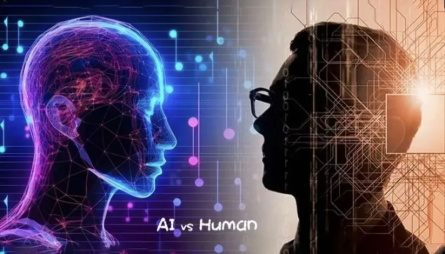
As businesses expand across borders, the need for clear and reliable multilingual communication has never been greater. At the same time, artificial intelligence has rapidly changed how translation is produced and delivered. What once required teams of professional linguists can now be generated in seconds by AI-powered translation tools.
These advances have raised an important strategic question for organizations: Should translation rely on AI, human expertise, or a combination of both? While AI translation offers speed and scale, human translation continues to provide depth, accountability, and cultural understanding. The most effective translation strategies today recognize the strengths of each approach and apply them intentionally.
Understanding how AI translation vs human translation differ is essential for managing risk, maintaining brand integrity, and communicating effectively with global audiences.


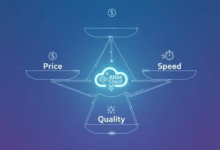
The Shift from Automation to Intelligence in Translation
AI translation refers to the use of artificial intelligence to automatically convert written or spoken content from one language into another. This capability has evolved over time, shaped by successive technological breakthroughs.
Early Automation: Rule-Based Translation
The first generation of translation systems relied on manually programmed linguistic rules. Each sentence was processed according to predefined grammar structures and dictionaries. These systems were consistent but inflexible, often producing translations that sounded mechanical and failed to convey intent.
Pattern Recognition: Statistical Machine Translation
Statistical Machine Translation improved adaptability by analyzing large volumes of bilingual data. Instead of rigid rules, SMT systems identified translation probabilities. This allowed for broader coverage but still resulted in awkward phrasing and limited contextual awareness.
Neural Networks: The Rise of Fluency
Neural Machine Translation changed how machines processed language. By evaluating entire sentences using neural networks, NMT significantly improved fluency and sentence structure. For many everyday use cases, translations became readable and usable with minimal correction.
Language Reasoning: Large Language Models
Large Language Models represent the current frontier. These systems integrate translation with broader language reasoning, enabling them to maintain tone, style, and contextual continuity. While impressive, they remain statistical systems that lack true understanding and accountability.
Why AI Translation Has Become So Widespread
AI translation is widely adopted because it addresses operational challenges faced by global organizations. Its strengths align closely with modern business demands.
Key Advantages of AI Translation
Speed Without Bottlenecks
AI translation can process content instantly, eliminating delays associated with manual workflows. This is especially valuable for large-scale content localization.
Scalability Across Markets
Organizations can translate vast amounts of content across multiple languages simultaneously, supporting global growth initiatives.
Always Available
AI tools operate continuously, enabling real-time translation and rapid response to changing business needs.
Flexible Technology Options
Users can select from various AI engines or train customized models to align with specific industries or terminology.
The Hidden Risks of AI-Only Translation
Despite its efficiency, AI translation introduces risks that organizations must manage carefully.
Where AI Translation Struggles
Cultural Interpretation
Language is deeply tied to culture. AI systems often miss cultural references, humor, or tone, resulting in messages that feel disconnected or inappropriate.
Contextual Accuracy
AI may misinterpret complex sentences or generate content that appears fluent but contains factual or logical errors.
Specialized Content Limitations
Industries such as legal, healthcare, finance, and engineering require precise terminology and regulatory awareness. AI systems lack the expertise needed to ensure compliance.
Inconsistent Output Quality
Translation quality can vary widely depending on the language pair, subject matter, and source text quality. AI alone cannot guarantee consistency.
The Enduring Value of Human Translation
Human translation remains indispensable for content where precision and accountability matter. Professional translators bring linguistic mastery, industry experience, and cultural insight that technology alone cannot replicate.
Rather than being displaced, human translators are increasingly integrated into AI workflows through Human-in-the-Loop (HITL) processes. In these models, AI accelerates translation production, while human experts ensure quality, clarity, and appropriateness.
Human-in-the-Loop: Turning Technology Into a Reliable Tool
Linguistic Accuracy and Natural Expression
Human reviewers refine AI-generated translations to ensure they sound natural and align with the expectations of the target audience.
Domain Expertise and Compliance
Professional translators understand industry standards and regulatory requirements, reducing risk in specialized content.
Cultural and Brand Alignment
Human translators adapt messaging to local cultures while maintaining brand voice, tone, and intent.
Continuous Improvement
Human feedback improves both the immediate translation and the long-term performance of AI systems through structured learning.
Comparison Table: AI Translation, Human Translation, and HITL
| Aspect | AI Translation | Human Translation | Human-in-the-Loop (HITL) |
| Quality | Varies by model and content | High and context-aware | High with controlled refinement |
| Speed | Instant | Slower | Fast and reliable |
| Risk | Higher | Lower and accountable | Lower with oversight |
| Learning | Data-driven | Experience-based | Continuous via feedback |
Making Translation Decisions That Scale
Choosing between AI translation vs human translation requires balancing efficiency with responsibility. Not all content carries the same risk.
- AI translation is suitable for internal communication, high-volume content, and low-risk materials.
- Human translation is essential for legal documents, regulated content, and brand-critical messaging.
- HITL workflows offer a strategic balance for professional and customer-facing use cases.