There is something deeply satisfying about completing a DIY project. Whether you are building furniture, upgrading your garden, or refreshing a room indoors, the sense of accomplishment that comes from creating something with your own hands is hard to match. Yet behind every successful project is one essential factor that is often underestimated: preparation.
While enthusiasm can get you started, it is careful planning that carries a project across the finish line.
Start With a Clear Plan
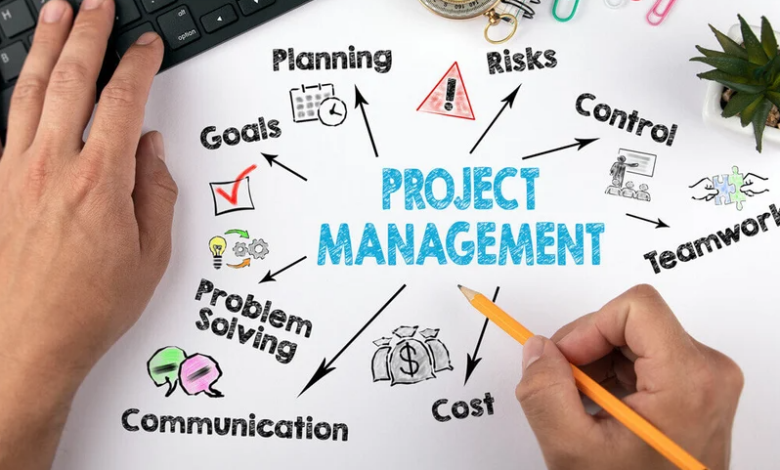
Before picking up a single tool, it is important to define exactly what you want to achieve. Sketch out your ideas, note measurements carefully, and consider how each component will come together. Even smaller tasks benefit from structured planning, as it reduces uncertainty once work begins.




Think about the order in which the steps need to happen. For example, cutting materials before confirming measurements can lead to wasted supplies, while failing to prepare surfaces properly may affect the final finish. A clear roadmap keeps you focused and helps prevent costly mistakes.
Gather Materials Ahead of Time
Few things disrupt momentum faster than having to pause halfway through a project because something is missing. This is why experienced DIYers make a habit of sourcing materials well in advance.
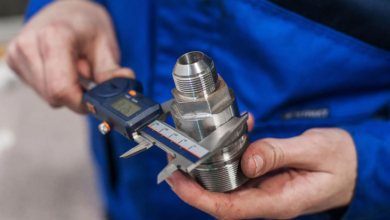
It is particularly important to order Tradefix fixings in advance so that you have the correct screws, nails, bolts, or anchors ready when you need them. Reliable fixings are fundamental to structural strength, and scrambling to substitute them with whatever is available locally can compromise the quality of your work.
Planning ahead also allows you to choose the right specifications rather than rushing into last-minute decisions. When every component is on hand from the start, you can work efficiently and maintain confidence in the durability of the finished result.
Measure Twice, Cut Once
This long-standing rule continues to guide both professionals and DIY enthusiasts for good reason. Accurate measurements form the backbone of any successful build. Even minor miscalculations can create alignment issues that become increasingly noticeable as the project progresses.
Use a dependable tape measure, check levels frequently, and do not hesitate to remeasure before making permanent cuts. A few extra moments spent verifying details can save hours of correction later.
Prepare Your Workspace
An organised workspace is more than just convenient. It improves safety, boosts efficiency, and helps you stay mentally focused. Therefore, ensure you have adequate lighting, enough room to manoeuvre materials, and a clean area free from unnecessary clutter. Keeping tools within easy reach prevents interruptions and allows you to maintain a steady workflow.
Understand Your Tools and Techniques
Confidence with your tools is another critical aspect of preparation. Familiarise yourself with how each piece of equipment operates before the project begins, particularly if you are using power tools for the first time.
Knowing the correct technique not only improves the quality of your work but also reduces the likelihood of accidents. If you are unsure about a method, taking time to research or watch demonstrations can provide valuable clarity.
Expect the Unexpected
Even the most carefully planned projects can encounter surprises. Materials may behave differently than anticipated, or hidden structural quirks might appear once work is underway. Building a little flexibility into your schedule allows you to adapt without feeling pressured.
See also: Affordable Mini Fridges for Every Home
Set Yourself Up for Success
DIY done right is the product of thoughtful planning, organised materials, and a willingness to slow down before speeding up. In many ways, the work you do before the build even begins determines the quality of what you create. When preparation becomes part of your routine, success is no longer a matter of luck. It becomes the natural outcome of doing things properly from the start.