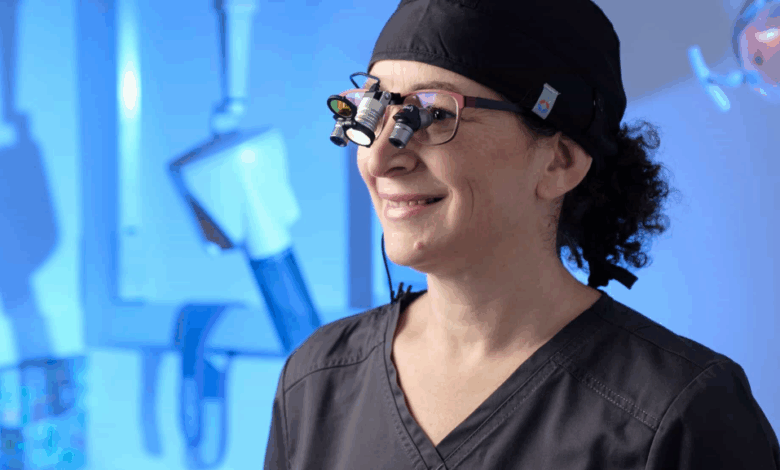
The prevalence of neck and back pain within the dental profession is a critical concern that impedes productivity and affects overall well-being. Dentists and dental hygienists are often encumbered with the necessity of maintaining static, strained positions for extended periods. With the advent of dental loupes, the profession has witnessed a significant turn in addressing these ergonomic challenges, aiming to provide a favourable working environment and reduce the risk of musculoskeletal disorders.
The Ergonomic Predicament for Dental Professionals
Dental practitioners are engaged in a profession that demands precision and meticulous attention to detail. Amidst their quest for excellence, the sustained postures have a detrimental effect on their musculoskeletal health. The intricate nature of dental procedures often coerces professionals into awkward angles, compelling them to hunch or bend in a manner that invites strain on the neck and lower back areas.
The duration dentists spend leaning over patients can have an insidious effect, initially manifesting as mild discomfort and gradually evolving into chronic pain. This presents a formidable occupational hazard that can potentially shorten careers and compromise the quality of life for dental practitioners.




See also: How Invisalign Treatment Boosts Confidence and Oral Health
Introduction of Ergonomic Dental Loupes
Understanding the pivotal role of ergonomics in dental health care, the industry has embraced the utilization of dental loupes. These specialised optical devices are not merely magnification tools but also pivotal elements in the ergonomic transformation of dental practice. By incorporating loupes, dentists can maintain a more neutral posture, which significantly reduces the risk of neck and back pain.
Dental Loupes: Precision with Comfort
The fundamental advantage of using dental loupes transcends beyond providing an enlarged view of the operational field. These devices facilitate a more upright posture, allowing dentists to distance themselves from the patient while still accessing a clear, magnified view of the area being treated. This reduces the need to lean forward and keeps the spine in a more natural, less stressful alignment.
The design of ergonomic dental loupes, which incorporates customised working distances and angulations suited to the dentist’s physical attributes, markedly diminishes strain. The adoption of loupes has been recognised as a step towards a long-term sustainable practice that prioritises the practitioner’s health.
Choosing the Right Dental Loupes for Ergonomics
When selecting dental loupes, one must consider several ergonomic factors. The weight of the loupes, field of view, depth of field, and the level of magnification all play a crucial role in determining the comfort and effectiveness of the apparatus. Lightweight loupes with adequate magnification that complements the procedure ensure less fatigue and reduced likelihood of neck and back tension.
Furthermore, properly fitted loupes that cater to individual working distances combat the tendency to slouch. This bespoke fitting process is instrumental in attaining proper ergonomics and thus key to avoiding musculoskeletal injuries.
Training and Education: Maximising the Benefits of Loupes
Incorporating ergonomic dental loupes into practice necessitates a period of adaptation and learning. Dentists and hygienists must undergo training to fully reap the ergonomic benefits. Understanding the correct use, adjustments, and maintenance of loupes will ensure optimal functionality and durability.
Educational initiatives provided by loupe manufacturers and professional dental associations are imperative for promoting the correct use and ergonomic advantages of using loupes. Continuous education also assists in keeping abreast of evolving ergonomic features in new loupe models.
Impact of Ergonomic Dental Loupes on Practice Longevity
The long-term use of ergonomic dental loupes can be considered an investment in a dentist’s health and career sustainability. By enabling a correct working posture, these devices have a profound effect on reducing fatigue, enhancing comfort during procedures, and potentially extending the working life of a dental professional by mitigating the issues that lead to early retirement.
Additionally, the precision afforded by loupes leads to improved quality of care, which translates into higher patient satisfaction and potentially more successful clinical outcomes. The symbiotic relationship between good ergonomic practices and patient care excellence cannot be overstated.
Challenging the Status Quo
The dental profession’s proactive attitude towards ergonomics, exemplified by the increasing usage of dental loupes, is a testament to the field’s commitment to innovation and occupational health. The challenge to the status quo of ‘working through the pain’ is fading, giving rise to an environment where practitioners are just as cared for as their patients.
It is essential for dental practices to continually assess and enhance the ergonomics of their work environment. Through the integration of loupes and other ergonomic equipment, dentistry can combat the perils of neck and back pain, promoting a healthier, more satisfying career path.
Conclusion
Ergonomic dental loupes represent a significant leap towards resolving a longstanding occupational hazard. They are not a luxury but a necessity for modern dental professionals who are committed to preserving their health while delivering exceptional patient care. The considerations involved in selecting and effectively using dental loupes underscore the intricate relationship between a dentist’s well-being and the quality of work produced.
In conclusion, as the field of dentistry continues to progress, the pivotal role played by ergonomic tools like dental loupes in protecting dentists from neck and back pain continues to gain emphasis. With a clear understanding of the ergonomic benefits and proper utilisation, dental professionals can look forward to a comfortable and prolonged practice, free from the shadows of musculoskeletal discomfort.