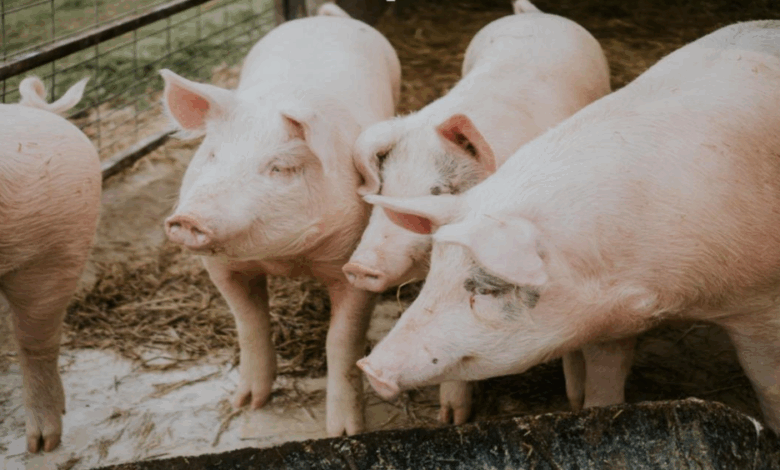
Weight gain in pig production is an important aspect of profitability and herd health. For both market and breeding production, producers normally wish to optimize daily weight gain in a consistent, safe, and healthy direction. Even though high-quality feed and herd management are the building blocks of development, there are some dietary supplements that can complement the current nutrition plan and assist in more consistent development in pigs.
This post reviews the possible role of supplements in general pig joint supplements and trace minerals such as manganese supplements in desirable weight gain of pigs regardless of age and stage of production.
The Role of Nutrition in Pig Growth
Growth of pigs depends mainly on a number of factors, such as genetics, feed quality, environment, and health status of the herd. Much of commercial feed is manufactured to give an equal proportion of protein, energy, vitamins, and minerals. Differences in the composition of the feed, feed conversion ratio and health status of the pig will influence the growth.




As pigs age, their bodies require certain nutrients in order to build muscle, strengthen skeletons, promote digestive health, and support the immune system. Deficiencies or imbalances in any one of these can affect weight gain. At this point, nutritional supplements may be a useful tool if used as part of an effective diet program.
When to Consider Supplementation for Weight Gain
Supplements will never substitute quality feed but may add peak performance when directed toward specialized requirements. The following are some of the methods supplements can increase healthy growth:
Support during Growth Spurts
Young, fast-growing pigs might experience uneven growth when the demand for their nutrients surpasses the available amount in the normal diet. At these development stages, the body might need supplementary help from minerals, amino acids, or support factors that facilitate symmetrical growth.
Joint or Skeletal Issue Pigs
Pigs suffering from joint stress or strain due to excessive growth can be relieved by supplementary nutrition to the joint tissues. Pig joint supplements are made to supply building materials to facilitate joint tissue and bone growth. These may be a combination of amino acids, trace minerals, or other accurate nutrients.
When joint function is not sufficiently supported, pigs will have decreased rates of movement or activity that also can affect feed intake and ultimately weight gain. Joint support supplements are designed to provide nutrients that will help support normal function during growth spurts.
See also: The Tricks Wutawhealth: the Tricks of Wutawhealth: Digital Health Insights
Nutrient Deficiency by Soil or Feed Source
In certain areas, the feed or forage cultivated on soil that is deficient in minerals can be devoid of critical nutrients. A case in point is supplementing with manganese to counter trace-mineral deficiencies in this nutrient. Manganese is involved in bone development and metabolism and is part of many enzyme systems.
Non-supplemented pigs can be failing to reach their full potential, especially when trace mineral deficiencies are chronic, as indicated by feeding analysis.
Selecting the Proper Supplement Method
Selecting a weight gain supplement must first start with reassessing your present feeding program. Search for indicators of nutrient loopholes, study feed analysis, and review your specific herd requirements, including stress, environmental factors, or age class.
Here are a few points to remember:
- Formulation and quality: Always choose pig joint supplements with honest labeling and first-rate ingredient acquisition.
- Balance of trace minerals: Don’t over-do it, for an excess of a trace mineral is as negative as a deficiency of the same.
- Compatibility: Choose any supplemental addition so that it complements not replicates current nutrition in your feed.
It is also necessary to introduce supplements slowly and monitor changes in performance or behavior.
Other Management Factors That Influence Weight Gain
Diet is the primary stimulus to pig growth, but several management factors must be considered:
Pen conditions: Temperament, hygiene, and temperature can all influence feed intake and metabolism.
Health management: Adequate regular veterinary attention and parasite control are also critical to growth.
Mitigation of stress: Weaning, overcrowding, and transport are all factors that can affect weight gain.
By combining good management with targeted nutritional support, producers can work toward consistent growth and long-term herd success.
Final thoughts
Supplements may be a valuable addition to a well-balanced swine feeding program, particularly when trying to provide support for stable weight gain in growing hogs. Supplementing with a pig joint supplement or a manganese supplement may provide some nutritional contribution that will be in harmony with your herd’s specific requirements.
One such supplement option for swine producers is OptiWize Collagen Plus, a supplement designed to support structural and performance goals via nutritional routes. As with any supplement, consult with a livestock nutritionist or veterinarian to decide whether it is an appropriate product for inclusion in your feeding program.
If well organized and handled consistently, supplements can be included as part of an overall program to promote healthy, sustainable pig development at any stage in the life cycle.