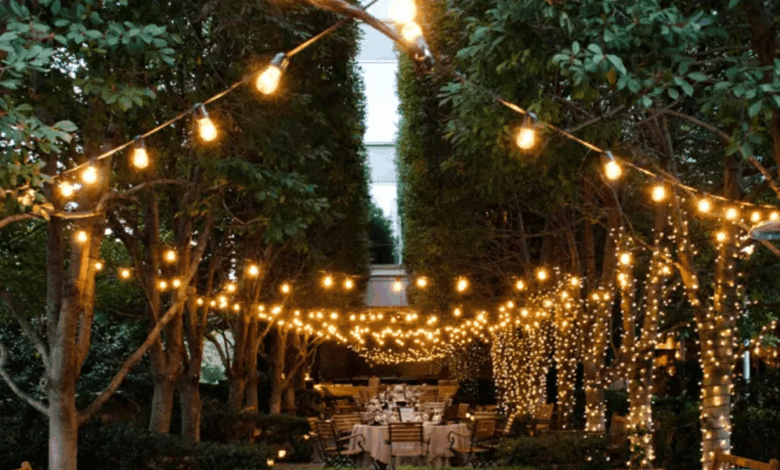
There’s nothing quite like the charm of an outdoor event. From twilight markets and backyard weddings to local festivals and food truck gatherings, open-air venues bring a sense of atmosphere you just can’t replicate indoors. But when the sun goes down or the music starts, one missing piece can bring it all crashing down — power.
Whether it’s lighting, sound systems, fridges, or payment machines, every event relies on electricity to run smoothly. If you’re hosting somewhere without reliable access to mains power, you’ll need a backup plan. That’s why many event organisers rely on deep cycle batteries from iTechworld to keep things running quietly and reliably without fumes or noise.
Of course, power is just one piece of the puzzle. Here’s how to plan an outdoor setup that keeps the fun flowing from start to finish.




Create a Power Usage Checklist
Before you start renting gear or booking vendors, list everything that needs to be plugged in. Don’t guess — go item by item:
- PA systems and microphones
- LED lighting and festoon lights
- Food warmers or fridges
- Coffee carts or blenders
- Charging stations or EFTPOS devices
Once you know your total power needs, it’s easier to match them to a suitable setup — whether that’s battery power, a generator, or a mix of both.
See also: Tech Support Number: 9528538608
Think About Layout and Cable Management
Outdoor events often have spread-out layouts — a stage at one end, food stalls at the other, and a bar in between. This means running power over long distances, which comes with safety concerns.
To keep things safe and organised:
- Use high-quality outdoor-rated extension cords
- Secure all cables with mats or cable protectors
- Keep walkways clear of any tripping hazards
- Label circuits and know where everything’s plugged in
Good cable management also makes pack-down far less stressful.
Choose the Right Backup System
Even with great planning, outdoor conditions can throw a curveball. A vendor may bring extra equipment, or unexpected demand could overload your power supply. That’s why having a reliable backup system is smart insurance.
Options include:
- A small inverter generator as a backup to your main supply
- A second battery setup that can be swapped in if needed
- Split power zones to isolate and manage load effectively
Backup systems don’t need to be elaborate — they just need to be ready.
Plan for Different Times of Day
Power needs change over the course of the day. You might not need lighting during daylight hours, but you’ll need it in full force after sunset. Meanwhile, your food vendors might peak around dinner.
Break your event into zones and timelines:
- Morning setup: tools, lighting checks, refrigeration
- Midday: high-demand cooking or audio-visual gear
- Evening: lighting, music, and guest comfort
- Pack-down: work lights and charging devices
This helps you balance your loads and avoid unnecessary power drain early on.
Be Weather-Ready
Rain, wind, heat — outdoor events come with unpredictability. That includes how your power equipment handles the elements.
A few essentials:
- Weatherproof enclosures for batteries or plugs
- Elevated platforms to protect from puddles
- Shade structures to keep electronics cool
- Spare tarps or covers in case of emergency
Also, have a wet weather plan for staff and guests if you do need to shut down or scale back.
A great outdoor event is all about the experience — and nothing disrupts that faster than a blackout, a tripped circuit, or a dead EFTPOS machine. Power might not be glamorous, but when it’s handled well, no one notices. And that’s the point.
By thinking ahead and building a simple, safe, and reliable setup — including a solid backup — you’ll be free to focus on the fun parts: the music, the crowd, the food, and the atmosphere that makes outdoor events so special.