Your roof plays a critical role in determining how much energy your home consumes during hot summer months. The materials and design choices you make can dramatically influence indoor temperatures and monthly utility bills. Understanding this relationship helps property owners make informed decisions that benefit both comfort and long-term finances. Strategic roofing choices can transform an energy-hungry home into an efficient, comfortable living space.
When selecting roofing materials, consulting with a qualified roofer in Los Angeles becomes essential for understanding local climate challenges. The region’s intense sunshine and extended warm seasons create unique demands on roofing systems that directly impact energy consumption. Professional guidance helps navigate the complex relationship between material choices, installation techniques, and energy performance. Making the right decisions early prevents costly mistakes and ensures optimal energy efficiency for decades.
Understanding Heat Transfer Through Roofing Systems
Solar Heat Gain Through Traditional Materials: Dark-colored roofing materials absorb significant amounts of solar radiation, converting sunlight into heat that penetrates into living spaces below. Asphalt shingles, particularly those in darker shades, can reach surface temperatures exceeding 160 degrees Fahrenheit on sunny days. This absorbed heat transfers through the roof structure, forcing air conditioning systems to work harder to maintain comfortable indoor temperatures. The thermal mass of traditional materials stores heat throughout the day, continuing to radiate warmth into the evening hours.


Conductive Heat Transfer Pathways: Heat moves through roofing materials via conduction, following pathways from the exterior surface through sheathing, insulation, and into the attic space. Poor insulation or thermal bridging creates direct pathways for heat transfer, bypassing energy-efficient barriers. Gaps around penetrations, inadequate insulation thickness, and compressed insulation materials all contribute to increased heat transfer. Understanding these pathways helps identify where energy efficiency improvements can make the most significant impact.
Radiant Heat Effects on Indoor Comfort: Radiant heat from hot roofing surfaces affects indoor comfort levels even when air temperatures remain constant. Ceiling surfaces that receive radiant heat from above feel warmer to occupants, creating discomfort that often leads to lower thermostat settings. This phenomenon forces cooling systems to work harder to achieve the same comfort level. Strategic material choices can minimize radiant heat transfer and improve overall comfort without increasing energy consumption.
Cool Roof Technology and Reflective Solutions
High Solar Reflectance Materials: Cool roofing materials reflect a significant portion of incoming solar radiation rather than absorbing it as heat. Light-colored materials naturally reflect more sunlight, but specialized coatings and engineered surfaces can enhance reflectance properties across various material types. These surfaces typically reflect 50-90% of solar radiation compared to 5-25% for traditional dark materials. The difference in heat absorption translates directly into reduced cooling loads and lower energy bills.
Thermal Emittance Properties: Beyond reflection, effective cool roofing materials also emit absorbed heat efficiently back to the atmosphere. This thermal emittance property prevents heat buildup in the roofing material itself, maintaining lower surface temperatures throughout the day. Materials with high emittance values release heat quickly after sunset, reducing nighttime heat radiation into living spaces. The combination of high reflectance and high emittance creates optimal energy performance.
Cool Roof Coating Applications: Reflective coatings offer a cost-effective way to transform existing roofing materials into energy-efficient surfaces. These coatings contain specialized pigments and reflective particles that dramatically improve solar reflectance without requiring complete roof replacement. Application techniques and coating thickness affect performance, making professional installation important for achieving maximum benefits. Regular maintenance and reapplication schedules ensure continued energy efficiency over time.
Material Selection for Energy Efficiency
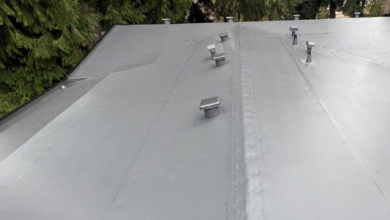
Metal Roofing Systems: Metal roofing materials offer excellent energy efficiency when properly designed and installed with reflective finishes. Pre-painted metal panels with cool roof pigments reflect solar radiation while providing durability and longevity benefits. The low thermal mass of metal systems means they heat up and cool down quickly, reducing heat storage and nighttime radiation. Proper ventilation beneath metal roofing enhances energy performance by creating air circulation that removes heat buildup.
Tile and Concrete Options: Clay and concrete tiles provide natural thermal mass benefits that can improve energy efficiency when properly ventilated. Light-colored tiles reflect significant solar radiation while their thermal mass helps moderate temperature swings throughout the day. Barrel tiles create natural ventilation channels that promote air circulation and heat removal. Modern concrete tiles with integral cool roof pigments combine traditional aesthetics with advanced energy performance.
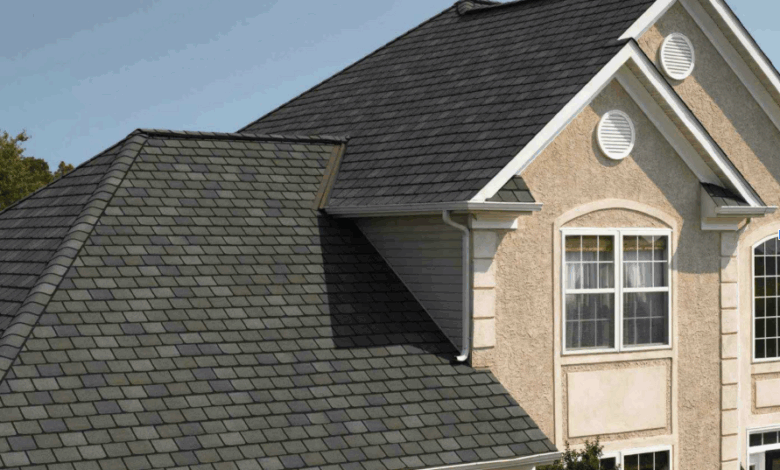
Modified Asphalt Solutions: Traditional asphalt shingles can be enhanced with reflective granules and cool roof technology to improve energy efficiency. These modified shingles maintain familiar aesthetics while providing better solar reflectance than standard products. Impact-resistant versions combine energy efficiency with enhanced durability against weather damage. Color choices significantly affect performance, with lighter shades providing better energy benefits than darker alternatives.
See also: Complete Guide to Home Renovations in Poway
Attic Ventilation and Energy Performance
Ridge and Soffit Ventilation Systems: Proper attic ventilation works in conjunction with cool roofing materials to maximize energy efficiency benefits. Ridge vents at the roof peak allow hot air to escape while soffit vents provide intake air circulation. This natural convection cycle removes heat buildup in the attic space, reducing the thermal load on insulation systems. Balanced ventilation ensures adequate air exchange without creating pressure imbalances that could affect indoor air quality.
Power Ventilation Considerations: Mechanical ventilation systems can enhance natural airflow in attic spaces where passive ventilation proves insufficient. Solar-powered fans provide energy-efficient forced ventilation without adding to electrical consumption during peak cooling hours. Proper sizing and placement of mechanical systems prevents over-ventilation that could interfere with HVAC system performance. Integration with building automation systems allows for optimized ventilation control based on temperature and occupancy patterns.
Vapor Barrier Integration: Moisture management through proper vapor barriers protects insulation effectiveness and prevents energy efficiency degradation. Improperly installed or damaged vapor barriers allow moisture infiltration that reduces insulation performance and creates thermal bridging. Strategic placement of vapor barriers depends on climate conditions and HVAC system design. Regular inspection and maintenance ensure continued moisture protection and energy efficiency.
Insulation Strategies for Maximum Efficiency
R-Value Requirements and Performance: Adequate insulation thickness and proper R-value ratings form the foundation of energy-efficient roofing systems. Local building codes establish minimum requirements, but optimal energy performance often exceeds these standards. Insulation settling and compression over time can reduce effective R-values, making initial over-specification beneficial. Different insulation materials provide varying R-values per inch, affecting space requirements and installation techniques.
Thermal Bridge Elimination: Continuous insulation strategies eliminate thermal bridging through structural members that create heat transfer pathways. Advanced framing techniques and insulation placement minimize these thermal bridges while maintaining structural integrity. Spray foam insulation can seal gaps and penetrations that compromise traditional batt insulation performance. Professional installation ensures proper coverage and eliminates common thermal bridge locations.
Air Sealing Integration: Effective air sealing prevents conditioned air loss and unconditioned air infiltration that undermines insulation performance. Strategic sealing around penetrations, joints, and transitions creates a continuous thermal boundary. Different sealing materials and techniques suit various construction details and accessibility constraints. Regular inspection and maintenance address settling and aging that can compromise air sealing effectiveness over time.
Urban Heat Island Mitigation Benefits
Neighborhood Temperature Reduction: Cool roofing materials contribute to reducing urban heat island effects that raise ambient temperatures in developed areas. Large-scale adoption of reflective roofing surfaces can lower neighborhood temperatures by several degrees during peak summer conditions. This temperature reduction benefits entire communities through reduced cooling loads and improved outdoor comfort. Municipal incentive programs often support cool roof adoption to achieve these community-wide benefits.
Air Quality Improvements: Lower ambient temperatures from widespread cool roof adoption reduce smog formation and air quality degradation associated with urban heat islands. Reduced energy consumption from improved roofing efficiency decreases power plant emissions and associated air pollution. These environmental benefits extend beyond individual property owners to create healthier communities. Green building certification programs recognize these broader environmental contributions through cool roof requirements.
Infrastructure Protection Benefits: Reduced urban temperatures help protect roads, utilities, and other infrastructure from heat-related damage and accelerated aging. Lower peak temperatures reduce thermal stress on electrical systems and transportation infrastructure. These benefits translate into reduced maintenance costs and improved reliability for essential services. Community-wide cool roof adoption creates synergistic benefits that exceed individual property improvements.
Financial Analysis and Return on Investment
Energy Cost Savings Calculations: Quantifying energy savings from cool roofing improvements requires analysis of cooling load reductions and local utility rates. Peak demand charge savings often provide additional financial benefits beyond simple energy consumption reductions. Seasonal variations in savings reflect the concentrated benefits during hot summer months when cooling loads peak. Professional energy audits can provide accurate savings projections based on specific building characteristics and usage patterns.
Initial Investment Considerations: Cool roofing materials and installation typically carry premium costs compared to basic roofing options. However, these incremental costs often prove minimal when considered as part of necessary roof replacement projects. Financing options and utility rebate programs can reduce upfront costs and improve project economics. Life Cycle cost analysis demonstrates the long-term financial benefits of energy-efficient roofing investments.
Payback Period Analysis: Most cool roofing investments achieve payback within 5-15 years through energy savings, depending on climate conditions and energy costs. Shorter payback periods occur in areas with high cooling loads and expensive electricity rates. Additional benefits such as extended roof life and improved comfort provide value beyond simple energy savings. Rising energy costs and improving cool roof technology continue to improve investment returns over time.
Implementation Best Practices
Professional Assessment Requirements: Proper cool roof implementation begins with professional assessment of existing conditions and energy efficiency opportunities. Building orientation, shading, and local microclimate conditions affect optimal material choices and design strategies. Structural considerations may limit certain material options or require reinforcement for heavier systems. Professional evaluation ensures appropriate solutions that maximize energy benefits while maintaining building integrity.
Installation Quality Factors: Proper installation techniques are critical for achieving projected energy performance from cool roofing systems. Incorrect installation can compromise reflectance properties, create thermal bridges, or allow air leakage that undermines efficiency gains. Experienced contractors understand the specific requirements for different cool roof materials and applications. Quality control measures during installation verify proper techniques and materials application.
Maintenance and Performance Monitoring: Ongoing maintenance preserves the energy efficiency benefits of cool roofing systems throughout their service life. Dirt accumulation and surface degradation can reduce reflectance properties and compromise energy performance. Regular cleaning and inspection schedules help maintain optimal performance and identify issues before they become major problems. Performance monitoring through utility bill analysis can verify continued energy savings and identify degradation trends.
The following factors contribute to successful cool roof performance:
- Surface preparation – Proper cleaning and priming ensure coating adhesion and performance
- Weather conditions – Installation during appropriate temperature and humidity ranges prevents application problems
- Quality materials – Certified cool roof products meet performance standards and durability requirements
- Professional installation – Experienced contractors understand application techniques and quality requirements
- Regular maintenance – Scheduled cleaning and inspection preserve reflectance properties and extend system life
Future Considerations and Technology Advances
Emerging Material Technologies: Advanced cool roof materials continue to improve in performance, durability, and cost-effectiveness through ongoing research and development. Nanotechnology applications create surfaces with enhanced reflectance and self-cleaning properties that maintain performance over time. Phase change materials integrated into roofing systems provide thermal storage benefits that moderate temperature swings. Smart roofing materials with adaptive properties adjust performance based on environmental conditions.
Integration with Renewable Energy: Cool roofing systems complement solar panel installations by reducing heat buildup that can decrease photovoltaic efficiency. Lower roof temperatures improve solar panel performance while cool roofing provides energy benefits in non-panel areas. Battery storage systems benefit from reduced cooling loads and more stable energy consumption patterns. Integrated design approaches maximize benefits from both cool roofing and renewable energy systems.
Building Automation Integration: Advanced building management systems can optimize cool roof performance through coordinated control of ventilation, shading, and HVAC systems. Sensor networks monitor roof surface temperatures and adjust building operations to maximize energy efficiency. Predictive maintenance programs use performance data to schedule cleaning and maintenance activities. Integration with utility demand response programs can provide additional economic benefits during peak demand periods.
Conclusion
Strategic roofing choices significantly impact energy consumption and comfort in warm climates, making material selection and installation quality critical factors for long-term satisfaction. Cool roof technologies offer proven solutions for reducing cooling loads while contributing to broader environmental benefits through urban heat island mitigation. The combination of immediate comfort improvements and long-term energy savings creates compelling reasons to prioritize energy efficiency in roofing decisions. Take action today by consulting with qualified professionals who can assess your specific needs and recommend appropriate cool roofing solutions for your property.