Every parent wants to protect their newborn from harmful bacteria and infections, and proper bottle sterilization plays a crucial role in safeguarding your baby’s health. During the first year of life, infants have developing immune systems that make them particularly vulnerable to germs lurking on feeding equipment. While simply washing bottles with soap and water removes visible residue, it doesn’t eliminate the dangerous microorganisms that can cause serious illnesses like diarrhea, vomiting, and respiratory infections. This is where sterilization becomes essential, transforming bottle cleaning from a basic task into a protective health measure.
Among the various sterilization methods available today—including boiling, chemical solutions, and microwave treatments—steam sterilization has emerged as the gold standard for busy parents. It combines hospital-grade disinfection with everyday convenience, offering a reliable way to keep feeding equipment safe without complicated procedures or harsh chemicals. Understanding why steam sterilization outperforms other methods can help you make informed decisions about your baby’s health and simplify your daily routine while ensuring the highest level of protection.
Understanding the Importance of Sterilization
Babies are born with immature immune systems that take months to develop the antibodies needed to fight off common pathogens. This vulnerability makes them especially susceptible to gastrointestinal infections caused by bacteria like E. coli, Salmonella, and Cronobacter, which can thrive in the warm, nutrient-rich environment of milk residue left on bottles. These microorganisms multiply rapidly, and even trace amounts can lead to severe complications including dehydration, fever, and in extreme cases, life-threatening conditions that require hospitalization.



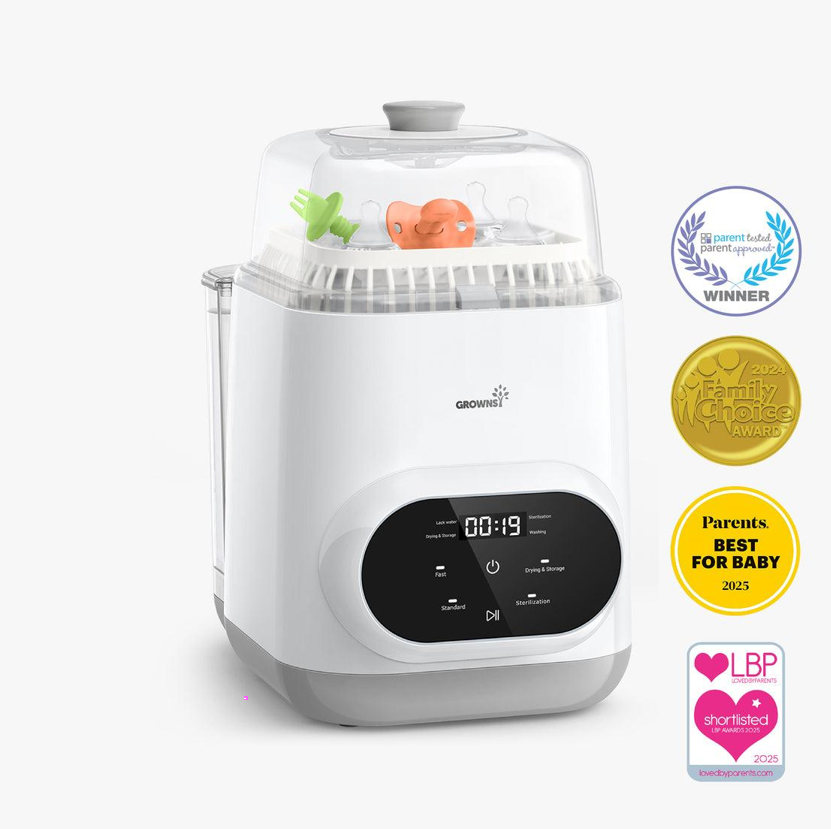
Steam sterilization addresses these risks by using high-temperature vapor that penetrates every surface, crevice, and component of baby bottles. Unlike manual washing that relies on mechanical scrubbing and may miss hidden areas around nipple holes or bottle threads, steam reaches temperatures of 212°F (100°C) or higher, effectively destroying 99.9% of harmful bacteria, viruses, and fungi within minutes. This method replicates the sterilization techniques used in medical facilities, bringing hospital-level hygiene into your home without requiring specialized training or constant monitoring. For parents managing multiple daily feedings, this level of protection offers peace of mind that goes beyond what traditional cleaning methods can achieve, creating a consistently safe feeding environment during those critical early months when your baby needs it most.
How Steam Sterilization Works
Steam sterilization operates on a straightforward yet scientifically proven principle: water heated to its boiling point produces vapor that carries intense thermal energy capable of destroying microbial life. When you place baby bottles into a steam sterilizer and add water, the heating element rapidly converts that water into steam, which then circulates throughout the enclosed chamber. As the steam contacts the surfaces of bottles, nipples, and accessories, it transfers heat energy that denatures the proteins and enzymes essential for bacterial survival, effectively killing pathogens on contact.
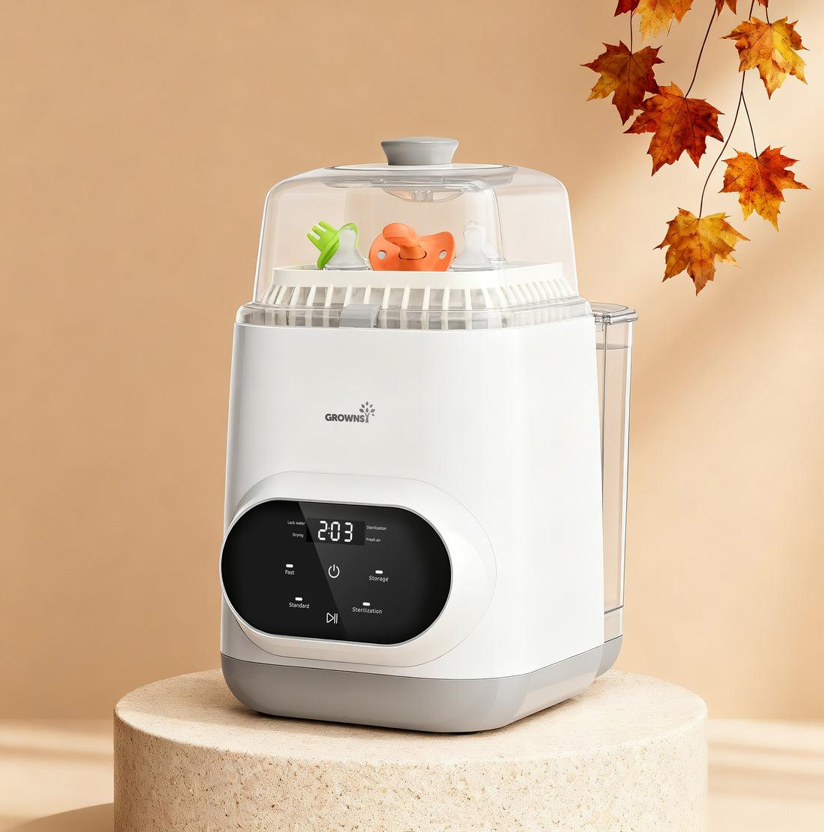
The process typically runs for 8 to 12 minutes, during which the temperature inside the chamber reaches at least 212°F (100°C), though many modern sterilizers achieve slightly higher temperatures to ensure complete disinfection. The enclosed environment is critical because it allows steam to build pressure and maintain consistent heat distribution, ensuring every item receives uniform exposure regardless of its position in the chamber. Unlike boiling water where items must be fully submerged and may jostle against each other, steam penetrates into threaded areas, valve mechanisms, and the interior surfaces of bottles without requiring direct liquid contact. After the sterilization cycle completes, most units keep items sealed in the sterile environment until you’re ready to use them, preventing recontamination. This combination of high temperature, moisture, and controlled exposure time creates conditions that no harmful microorganism can survive, delivering medical-grade sterilization with the simple press of a button.
Benefits of Steam Sterilization
Steam sterilization stands out from alternative methods through its remarkable combination of effectiveness, convenience, and safety. The most compelling advantage is its chemical-free operation—parents can achieve hospital-grade disinfection without exposing their babies to potentially irritating residues from bleach-based solutions or sanitizing tablets. This natural approach uses only water and heat, eliminating concerns about rinsing away chemical traces or wondering whether cleaning agents might affect your baby’s sensitive digestive system.
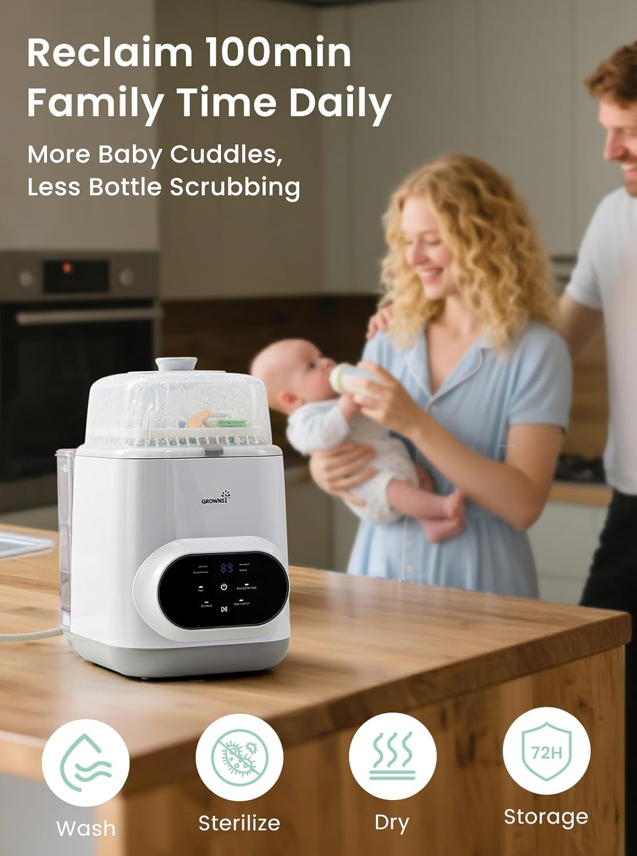
The speed and efficiency of steam sterilization transform daily routines for busy parents. A typical cycle completes in 8 to 12 minutes, significantly faster than boiling water on a stovetop for 10 minutes plus cooling time, and far more convenient than soaking bottles in chemical solutions for 30 minutes or longer. Modern electric sterilizers handle multiple bottles simultaneously—most accommodate 6 to 8 bottles along with nipples, rings, and pacifiers—allowing you to sterilize an entire day’s feeding supplies in one efficient batch. Many units also feature automatic shut-off functions and keep-sterile modes that maintain cleanliness for hours, so you can run a cycle during naptime and retrieve bottles as needed throughout the day without repeating the process.
Cost-effectiveness adds another practical benefit, especially compared to disposable sterilization bags or ongoing purchases of chemical tablets. After the initial investment in a quality steam sterilizer, your only recurring expense is the small amount of tap water each cycle requires. The equipment typically lasts for years across multiple children, making it economically sensible for growing families. Steam sterilization also preserves the integrity of bottles and nipples better than harsh boiling that can cause warping or degradation of silicone and plastic materials over time, extending the lifespan of your feeding supplies and reducing replacement costs.
See also: Discover the Best Tech Guitars with Detachable Neck
Choosing the Right Steam Sterilizer
Selecting the right steam sterilizer requires evaluating your specific needs against the features available in today’s market. Start by considering your daily bottle usage—if you’re exclusively bottle-feeding or have twins, look for larger-capacity models that hold 8 or more bottles per cycle, while breastfeeding parents who occasionally use bottles may find compact 4-bottle units sufficient. Electric countertop sterilizers offer the most comprehensive features including automatic cycles, digital timers, and extended sterile storage, making them ideal for home use. Microwave steam sterilizers provide a space-saving alternative for smaller kitchens or travel, though they require manual timing and immediate removal after cooling. For parents frequently on the go, portable electric sterilizers with universal voltage adapters ensure consistent sterilization wherever you travel.
Examine practical features that simplify daily routines. Automatic shut-off prevents overheating and conserves energy, while a keep-sterile function maintains cleanliness for 6 to 24 hours after the cycle ends, eliminating the need to re-sterilize if you don’t immediately need a bottle. Adjustable racks accommodate various bottle sizes and shapes, from wide-neck designs to angled bottles, ensuring you won’t outgrow the sterilizer as your feeding routine evolves. Brands like Grownsy have introduced models with transparent lids that let you monitor the process without opening the chamber and compromising sterility. Check that the water reservoir is easy to access and clearly marked with minimum and maximum fill lines to prevent overfilling or dry running.
Build quality and safety certifications matter significantly for equipment you’ll use multiple times daily. Look for sterilizers constructed from BPA-free, food-grade materials that won’t leach chemicals when heated repeatedly. Verify that the model carries safety certifications from recognized testing organizations, confirming it meets electrical safety standards and sterilization effectiveness benchmarks. Read reviews from parents who’ve used the sterilizer for several months to identify potential durability issues like heating element failures or seal degradation. Consider brands that offer warranties of at least one year and have responsive customer service, as this investment should reliably serve your family throughout your baby’s first year and potentially beyond for future children.
Maintenance and Care
Proper maintenance of your steam sterilizer ensures consistent performance and extends its operational lifespan well beyond your first child’s infancy. The most critical routine task is descaling, which prevents mineral buildup from tap water that can clog heating elements and reduce sterilization effectiveness. Depending on your water hardness, descale every two to four weeks by running a cycle with equal parts white vinegar and water, then following with two plain water cycles to remove any residual vinegar taste or smell. Many sterilizers include indicator lights that signal when descaling is needed, taking the guesswork out of this maintenance schedule.
After each use, wipe down the interior chamber and heating plate with a clean, damp cloth to remove any water spots or milk residue that may have dripped during loading. Allow the unit to air dry completely with the lid open before storing or running the next cycle, as trapped moisture can create an environment for mold growth in unused sterilizers. Inspect the door seal or lid gasket monthly for signs of wear, cracking, or mineral deposits that could compromise the steam seal—most manufacturers sell replacement seals that you can easily install yourself. Check that ventilation holes remain clear of dust or debris, as blocked vents can cause overheating or incomplete sterilization cycles.
Store your sterilizer in a dry location away from direct sunlight, which can degrade plastic components over time. If you stop using the sterilizer for an extended period, run a vinegar descaling cycle before storage, then thoroughly dry all components and store with the lid slightly ajar to prevent musty odors. Before resuming use after a break, run one complete sterilization cycle empty to ensure everything functions properly. Replace the sterilizer if you notice persistent error messages, failure to generate adequate steam, or visible damage to electrical components, as compromised equipment may not achieve proper sterilization temperatures. Following these straightforward maintenance steps keeps your sterilizer operating at peak efficiency, ensuring every bottle receives the thorough disinfection your baby deserves.
Protecting Your Baby with Steam Sterilization
Steam sterilization has proven itself as the superior choice for cleaning baby bottles, combining medical-grade effectiveness with practical convenience that fits seamlessly into modern parenting routines. By harnessing the natural power of high-temperature vapor, this method eliminates 99.9% of harmful bacteria, viruses, and fungi without exposing your baby to harsh chemicals or requiring complicated procedures. The speed, efficiency, and chemical-free operation make it an ideal solution for protecting your infant’s vulnerable immune system during those critical first months of development.
Investing in a quality baby bottle washer and dryer delivers long-term value through its durability, cost-effectiveness, and ability to handle multiple bottles simultaneously. With proper maintenance including regular descaling and simple cleaning routines, your sterilizer will provide reliable protection throughout your baby’s infancy and beyond. Whether you’re a first-time parent navigating feeding routines or an experienced caregiver seeking the most effective sterilization method, steam technology offers the peace of mind that comes from knowing every bottle meets hospital-level hygiene standards. Making this choice means prioritizing your baby’s health with a proven, practical solution that simplifies your daily routine while delivering uncompromising protection.