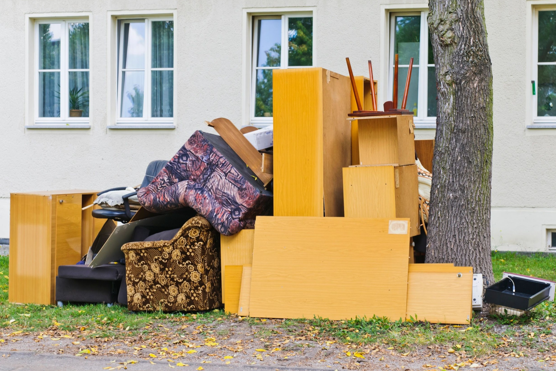
For most homeowners and business owners, the relief of seeing a truck pull away loaded with old furniture, broken appliances, and years of accumulated clutter is the end of the story. The space is clean, the project is complete, and life returns to normal. Yet a different story begins the moment the truck leaves the driveway. The items inside are bound for a network of donation centers, recycling facilities, scrap yards, and waste processors, and the choices made along that journey have real consequences for the environment, for the local community, and for the broader Junk Removal industry as a whole.
This is a question more customers have begun asking in recent years. As awareness of landfill capacity, electronic waste, and material reuse has grown, the conversation around Junk Removal has shifted from a focus on convenience alone to a more thoughtful interest in where things end up. The answer, it turns out, is more nuanced than most people realize, and it offers a useful look inside how responsible Junk Removal actually works.
The Misconception That Everything Goes to the Landfill
A common assumption is that hiring a Junk Removal company simply transfers unwanted items from a home or office directly to a landfill. While this may have been closer to the truth decades ago, the modern industry operates very differently. Responsible providers approach every load as a sorting opportunity, evaluating each item for potential reuse, donation, recycling, or recovery before defaulting to disposal. The result is a process that often diverts a significant share of every truckload away from the landfill, even when customers are unaware that diversion is happening.




This shift has been driven by several factors, including stricter regional waste policies, rising landfill costs, growing demand from charitable organizations, and customer expectations. Across Northern Virginia, Maryland, and Washington, D.C., this approach has become a defining feature of professional Junk Removal, separating thoughtful providers from companies that treat hauling as a one-step service.
The Donation Pathway
The first stop for many items collected during a Junk Removal job is not a recycling facility or a waste transfer station. It is a donation center. Furniture in usable condition, household goods, kitchenware, working appliances, gently used clothing, books, sporting equipment, and similar items are routinely set aside for charitable partners. These partners include national organizations with regional locations, faith-based groups, community thrift stores, veterans’ organizations, and nonprofits that serve families transitioning out of difficult circumstances.
For homeowners, donation routing offers a meaningful benefit beyond simple disposal. It allows usable items to continue their lifecycle, supports local missions, and reduces the volume of material entering the waste stream. From a Junk Removal company’s perspective, building strong donation partnerships requires logistical coordination, careful evaluation of item condition, and an ongoing relationship with receiving organizations. When done well, this pathway transforms what might otherwise be discarded into a tangible community contribution.
The Recycling Pathway
After donation routing comes recycling, which is often the largest single category of diverted material in a typical Junk Removal load. Metal, cardboard, paper, certain plastics, glass, and wood frequently move from a Junk Removal truck to specialized recycling facilities rather than to a landfill. Some categories require dedicated processing partners. Electronics, for example, contain valuable metals and hazardous components that must be handled through certified e-waste recyclers. Appliances may go through scrap metal yards that recover steel, aluminum, copper, and other materials.
Construction debris is another significant recycling category. Wood, drywall, concrete, and metal from renovation projects often have established recycling channels that allow these materials to be reprocessed for future use. Carpets and padding, which once represented a major source of waste, are increasingly being handled through specialized recyclers in regions where infrastructure supports it. The Junk Removal company plays a coordinating role, identifying which materials are eligible for which streams and ensuring that the right items reach the right facilities.
The Responsible Disposal Pathway
Even with strong donation and recycling pipelines, some items inevitably need to be disposed of. The goal of responsible Junk Removal is to ensure that this disposal is conducted properly, in compliance with local regulations, and through licensed waste facilities rather than informal dumping. Mattresses with severe damage, broken furniture that cannot be repurposed, contaminated materials, and items that lack a viable recycling market often fall into this category.
What separates responsible providers from less careful operators is documentation and accountability. Licensed Junk Removal companies use approved waste transfer stations, maintain records of where loads are taken, and pay tipping fees to ensure that disposal is conducted properly. This approach protects both the customer and the community from the risks associated with illegal dumping, which can carry environmental, legal, and reputational consequences.
See also: Best Business Colleges in Qatar
Items That Require Special Handling
Certain items collected during Junk Removal require specialized treatment because of their materials, components, or regulatory status. Appliances containing refrigerants, such as refrigerators, freezers, and air conditioners, must be handled through facilities that can capture and recycle these substances safely. Televisions and monitors, particularly older models, contain lead, mercury, and other materials that require certified e-waste processing. Hot tubs, exercise equipment, and large furniture often require disassembly before they can be recycled or disposed of efficiently.
Hazardous household waste, such as paints, solvents, and chemicals, generally falls outside the scope of standard Junk Removal services and must be routed through municipal household hazardous waste programs. Responsible providers communicate these distinctions clearly to customers, both to ensure compliance and to help homeowners understand how to handle these materials safely.
Where Common Household Items Typically End Up
While every Junk Removal project is different, several patterns emerge when looking at how common household items are routed once they leave a property. Customers often find it helpful to understand the general destinations for the items they discard. Typical pathways include the following:
- Usable furniture and household goods routed to donation partners that support families, veterans, and community programs.
- Working appliances directed toward charity-affiliated home stores or appliance reuse programs.
- Non-working appliances processed through scrap metal yards that recover steel, copper, and aluminum.
- Televisions, computers, and small electronics sent to certified e-waste recyclers.
- Mattresses in good condition donated where allowed, while damaged mattresses are routed to mattress recycling facilities where available.
- Construction debris sorted into wood, metal, drywall, and concrete streams for reprocessing.
- Yard waste and storm debris delivered to composting and mulching operations.
- Cardboard, paper, and clean plastics directed to standard recycling facilities.
- Hot tubs, exercise equipment, and other large items disassembled for metal recycling and partial reuse.
- Remaining mixed waste taken to licensed transfer stations or landfills for proper disposal.
These pathways are not always visible to the customer, but they represent the operational core of how modern Junk Removal works behind the scenes. The more sophisticated the provider, the more refined this sorting and routing process becomes.
Transparent Pricing and Responsible Junk Removal
The connection between pricing structure and responsible Junk Removal is often overlooked. Companies that charge by weight may have less incentive to sort heavy materials for recycling, since heavier loads can translate directly into higher charges for the customer. Companies that charge based on truck space, by contrast, are motivated to handle each load efficiently regardless of weight, which aligns naturally with diversion and recycling efforts.
Transparent pricing also supports trust. When customers understand exactly what they are paying for, they tend to be more open to sharing what is in the load, which allows the Junk Removal team to plan donation drop-offs, recycling stops, and disposal routes more effectively. The result is a process that benefits everyone involved, from the household clearing out a basement to the nonprofit receiving a sofa that will furnish a family’s new apartment.
The Local Impact in the DMV
Northern Virginia, Maryland, and Washington, D.C. represent one of the most active markets for Junk Removal in the country. The region’s population density, real estate activity, frequent relocations, and diverse housing stock create a steady demand for cleanout services across residential and commercial properties. This level of activity makes responsible practices especially important. Every truckload that is sorted thoughtfully reduces pressure on regional landfills, supports local charities, and helps maintain the quality of community recycling streams.
Local Junk Removal companies that have built relationships with regional donation partners, recycling facilities, and licensed disposal sites contribute to a broader system of stewardship. They also tend to be more accountable to the communities they serve, which strengthens the overall standard of service.
What Customers Can Do to Support Responsible Junk Removal
Customers play a meaningful role in helping Junk Removal companies operate responsibly. Setting items aside in usable condition, separating obvious recyclables when possible, providing access to entire spaces rather than partial collections, and asking the provider about donation and recycling practices all support a smoother and more sustainable process. Asking questions also reinforces market demand for responsible practices, which encourages more providers to invest in donation partnerships, recycling infrastructure, and proper disposal protocols.
Conclusion
Junk Removal is no longer a simple matter of loading a truck and finding the nearest landfill. It has become a layered, logistical, and increasingly thoughtful process that touches donation networks, recycling facilities, scrap yards, and licensed disposal sites across the region. When customers ask where their items actually go, they are asking a question that reflects a more sophisticated understanding of consumption, waste, and community responsibility. The answer they deserve is one rooted in transparency, accountability, and demonstrated commitment to doing the work properly.
At 123JUNK, we have been proudly serving Northern Virginia, Maryland, and Washington, D.C. for more than seventeen years, building a Junk Removal service that prioritizes donation, recycling, and responsible disposal alongside fast, friendly, transparent pricing. Our team works closely with trusted charity partners and recycling facilities to ensure that every load is handled with the care that our customers expect and that our community deserves. Whether you are clearing out a basement, preparing a property for sale, managing an office cleanout, or simply ready to reclaim a room, we invite you to schedule a pickup with 123JUNK and discover the difference that responsible, customer-first Junk Removal can make.