Outdoor living has evolved from a seasonal luxury into a year-round lifestyle priority for homeowners across the country. As more people invest in their backyards, patios, and gardens, the demand for reliable shade solutions has never been higher. Temporary umbrellas blow over in the wind, pop-up canopies fade and tear within a season, and retractable awnings often fail to deliver full coverage when the sun is at its harshest. These frustrations leave homeowners searching for something permanent, attractive, and truly effective against the elements. Enter the hardtop gazebo—a robust structure that combines architectural elegance with uncompromising weather protection. Among the most popular configurations, the 12×12 gazebo stands out as a versatile choice that balances generous space with practical footprint for most residential yards. In this article, we’ll explore what makes hardtop gazebos the superior outdoor shade solution, examining their durability, comfort-enhancing features, ideal sizing, and practical guidance for selecting and installing one that transforms your backyard into a cozy outdoor environment for years to come.
Understanding Hardtop Gazebos: A Modern Outdoor Essential
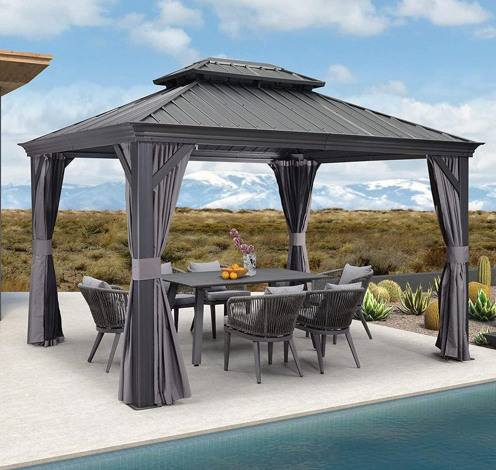
A hardtop gazebo is a freestanding outdoor structure featuring a solid, rigid roof supported by a robust frame, designed to provide permanent shade and shelter in residential settings. Unlike soft-top gazebos that rely on fabric canopies susceptible to sagging, fading, and tearing, hardtop models use materials like galvanized steel panels, polycarbonate sheets, or aluminum roofing that withstand years of exposure without degradation. The frame typically consists of powder-coated aluminum or steel posts, offering structural integrity that fabric-draped alternatives simply cannot match.
What sets the hardtop gazebo apart as an outdoor shade solution is its dual nature—it functions as both a permanent architectural feature and a practical weather shield. While a pop-up canopy might serve you for a single backyard party, a hardtop gazebo becomes a defining element of your landscape, adding property value and visual sophistication. The solid roof eliminates the flapping, pooling, and UV deterioration that plague canvas and polyester tops, delivering consistent shade performance regardless of season. This permanence makes it the foundation for creating a true outdoor living room—one that invites year-round use rather than fair-weather-only enjoyment. With that foundation established, the real question becomes how these structures achieve their remarkable longevity.


The Durability Advantage: Why Hardtop Gazebos Last for Years
Homeowners who have cycled through multiple patio umbrellas, replaced torn canopy tops, or watched wooden pergolas slowly rot understand a fundamental truth: outdoor structures face relentless punishment from the elements. The sun’s UV radiation breaks down organic materials and fades colors, rain promotes rust and mold, and wind stress tests every joint and fastener. A durable gazebo must withstand all three simultaneously, season after season, without requiring costly repairs or complete replacement. This is precisely where hardtop gazebos distinguish themselves from every other shade option on the market.
The secret to their longevity lies in engineering designed for permanence rather than convenience. Powder-coated aluminum frames resist corrosion without the weight penalty of steel, while galvanized steel options deliver exceptional rigidity for regions prone to heavy snow loads or high winds. These frames don’t warp, split, or attract insects the way wood does, and they maintain their structural integrity for a decade or more with minimal intervention. The solid roofing panels—whether metal or polycarbonate—are engineered to handle thermal expansion, hail impact, and constant UV bombardment without cracking or delaminating.
To maximize the lifespan of your hardtop gazebo, periodic maintenance goes a long way. Rinse the roof panels with a garden hose every few months to prevent debris buildup, inspect hardware connections before and after storm season, and touch up any scratches on the frame with manufacturer-recommended paint to prevent oxidation from gaining a foothold. These simple habits ensure your investment remains structurally sound and visually appealing for years beyond its warranty period.
Key Materials for Maximum Durability
The roof is the most critical component of any durable gazebo, and material choice here determines both protection quality and lifespan. Polycarbonate panels offer excellent UV filtering while allowing diffused natural light to pass through, creating a bright yet shaded space underneath. They resist impact far better than glass and won’t shatter during hailstorms. Galvanized steel roof panels, on the other hand, provide complete light blockage and superior heat reflection, making them ideal for extremely hot climates where maximum cooling is the priority. Some premium models feature dual-layer roofing with an air gap between panels, which reduces heat transfer and condensation simultaneously.
Frame materials deserve equal attention. Aircraft-grade aluminum alloy delivers the best strength-to-weight ratio, making assembly manageable while ensuring the structure can handle wind gusts exceeding 35 miles per hour when properly anchored. Steel frames offer greater rigidity at a lower cost, though they require more robust powder coating to prevent rust in humid environments. Stainless steel hardware—bolts, brackets, and screws—completes the durability picture by eliminating the weakest links that often fail first in lesser structures. When comparing models, look for frames with wall thickness of at least 1.5 millimeters and roof panels rated for your region’s specific snow and wind load requirements.
See also:Anti-Static Raised Flooring Solutions for High-Tech and Commercial Environments
Superior Shade and Protection for a Cozy Outdoor Environment
Effective shade isn’t simply about blocking sunlight—it’s about creating a space where temperature, airflow, and ambiance converge to make you want to stay outside longer. A hardtop gazebo delivers on all three fronts in ways that umbrellas, sail shades, and fabric canopies cannot. The solid roof provides complete overhead coverage, eliminating the patchy shade patterns that shift throughout the day with lesser solutions. This means your seating area, dining table, or outdoor kitchen remains fully protected from direct UV exposure from morning through evening, reducing surface temperatures underneath by as much as fifteen to twenty degrees compared to unshaded areas.
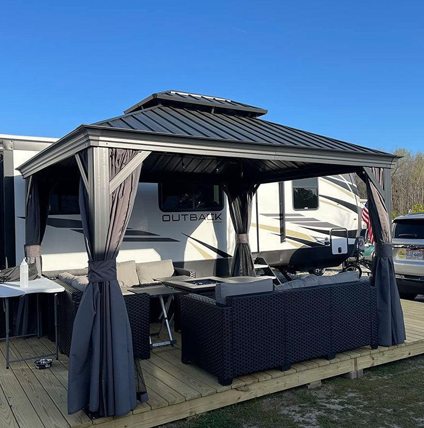
Many hardtop models incorporate ventilated roof designs featuring a raised secondary tier that allows hot air to escape upward while preventing rain from entering. This passive airflow mechanism creates a natural chimney effect, pulling cooler air in from the sides and exhausting warm air through the top gap. The result is a noticeably more comfortable microclimate beneath the structure, even during peak summer heat. Optional side panels—whether fabric curtains, privacy screens, or retractable mosquito netting—extend this comfort by blocking low-angle sun, wind-driven rain, and insects without sealing off the space entirely.
Transforming your hardtop gazebo into a truly cozy outdoor environment goes beyond the structure itself. String lights draped along the interior frame create warm evening ambiance, while weather-resistant furniture with plush cushions invites lingering conversations. A small outdoor rug anchors the space visually, and potted plants around the perimeter soften the transition between structure and garden. Because the hardtop roof protects everything beneath it from rain and excessive sun, your furnishings and décor last significantly longer than they would in an exposed setting, making the investment in comfort accessories worthwhile.
Sun Protection Mechanisms and Comfort Features
The engineering behind a hardtop gazebo’s shade performance involves several deliberate design choices working together. Roof panels are pitched at angles between five and fifteen degrees, steep enough to shed rainwater quickly and prevent pooling while maximizing overhead coverage area. Integrated gutter channels along the roof edges direct water to designated downspout points, keeping the perimeter dry so you can enjoy the space even during light rain. The shade density is effectively one hundred percent with metal roofing—no dappled light, no UV penetration, just complete protection that makes sunscreen optional for those relaxing underneath.
Accessories elevate the gazebo from a simple shade structure to a multi-season retreat. Zippered mosquito netting, typically included with quality models, creates a bug-free zone for evening gatherings without chemical repellents. Privacy curtains in neutral tones can be drawn closed on one or more sides to block prevailing winds or shield against a setting sun that angles beneath the roofline. Some homeowners add outdoor-rated ceiling fans to the gazebo’s center beam for active air circulation on still days, while others install infrared heaters that extend usability into cooler months. Each addition layers comfort upon the foundational protection the hardtop provides, building a space that genuinely rivals indoor rooms for livability.
The 12×12 Gazebo: Ideal Dimensions for Versatility and Space
When it comes to selecting the right size for a backyard structure, the 12×12 gazebo hits a sweet spot that few other dimensions can match. At 144 square feet, this footprint comfortably accommodates a full dining set for six, a sectional sofa arrangement, or even a compact outdoor kitchen setup—all without overwhelming a typical residential yard. It’s large enough to host a small gathering or family dinner yet contained enough to fit on most standard patios, deck extensions, or level garden areas without requiring extensive landscaping modifications.
The versatility of this size extends to how homeowners actually use the space throughout the year. In summer, a 12×12 gazebo serves as a shaded dining pavilion or a cool retreat for reading and relaxation. During fall, it becomes a sheltered spot for watching the leaves change while sipping coffee, protected from drizzle and gusty winds. Families with children appreciate that the generous interior allows room for a play area alongside adult seating, while those who entertain find it perfectly scaled for intimate cocktail hours or weekend brunches. The proportions also work aesthetically—substantial enough to anchor a landscape design without dominating sight lines or making smaller yards feel cramped. For homeowners weighing their options, this balanced combination of usable space, visual proportion, and placement flexibility makes the 12×12 configuration the most practical starting point for a hardtop gazebo investment.
Step-by-Step Guide to Choosing and Installing Your Durable Hardtop Gazebo
Selecting the right hardtop gazebo begins with honest assessment of your space and intentions. Start by measuring your available area, accounting for at least two feet of clearance on all sides for foot traffic and airflow. Consider how you’ll primarily use the structure—dining, lounging, entertaining, or a combination—since this determines whether a 12×12 gazebo suits your needs or whether you should scale up or down. Evaluate your local climate conditions, particularly average wind speeds, annual snowfall, and sun intensity, as these factors should guide your material choices. A region with heavy winters demands a steel frame rated for substantial snow loads, while coastal areas call for corrosion-resistant aluminum with marine-grade hardware.
When comparing models, prioritize structural ratings over aesthetics alone. Look for wind resistance certifications, roof load capacities, and warranty terms that reflect manufacturer confidence. Brands like PURPLE LEAF have built their reputation around combining these structural qualities with thoughtful comfort features such as ventilated double roofs and integrated mosquito netting. Consider features that align with your comfort goals—pre-drilled mounting points for ceiling fans and lights, included curtain sets for wooded properties, or reinforced frames for high-wind regions. Budget wisely by recognizing that a durable gazebo is a long-term investment; spending more upfront on quality materials eliminates the cycle of replacing cheaper alternatives every few years. Once you’ve selected your model, plan your installation timeline around dry weather and recruit at least one helper, as most hardtop gazebos require two or more people for safe assembly.
Installation Best Practices and Maintenance Tips
Before breaking ground, check local building codes and homeowner association rules—some jurisdictions require permits for permanent structures or enforce setback distances from property lines. Prepare your site by ensuring the ground is perfectly level; use a spirit level across multiple points and correct any slope with compacted gravel or a poured concrete pad. An uneven foundation creates frame stress that leads to premature hardware failure and roof panel misalignment. Follow the manufacturer’s assembly instructions precisely, tightening bolts in the recommended sequence to distribute tension evenly across the frame.
Anchoring is non-negotiable for safety and longevity. On concrete surfaces, use wedge anchors or sleeve anchors rated for your structure’s weight and wind exposure. For grass or gravel installations, concrete footings poured below the frost line prevent shifting during freeze-thaw cycles. After installation, perform a seasonal maintenance routine: inspect all bolts and tighten any that have loosened from thermal cycling, clear leaves and debris from roof panels and gutters to prevent water pooling, and wash the frame with mild soap to remove pollen and dirt that can trap moisture against the finish. Address scratches or chips in the powder coating immediately with touch-up paint to halt corrosion before it spreads. These straightforward practices keep your durable gazebo performing flawlessly through every season.
Invest in a Hardtop Gazebo for Lasting Outdoor Comfort
A hardtop gazebo stands apart from every other outdoor shade solution because it delivers what temporary options cannot—permanent protection, lasting beauty, and a genuine extension of your living space into the outdoors. The combination of weather-resistant materials like powder-coated aluminum frames and galvanized steel or polycarbonate roofing ensures your investment endures years of sun, rain, wind, and snow without the frustrating cycle of replacement. Beyond mere shade, these structures create a cozy outdoor environment where ventilated roofs manage heat, optional curtains and netting add privacy and bug protection, and the sheltered space beneath invites comfortable furnishings that transform a simple patio into an outdoor room worth using every day.
The 12×12 gazebo emerges as a particularly smart choice for most homeowners, offering enough space for dining, entertaining, or relaxing without overwhelming a typical backyard. Its balanced proportions work visually and functionally across diverse landscape designs. If you’ve been tolerating flimsy umbrellas or watching fabric canopies deteriorate each season, now is the time to invest in a structure that solves the problem permanently. Assess your space, consider your climate, choose quality materials, and anchor your gazebo properly—then enjoy the reward of a beautiful, durable outdoor retreat that enhances both your daily life and your home’s value for years to come.