Walking into a space bathed in the warm, nostalgic glow of vintage design lighting instantly transports you to another era. This timeless aesthetic creates an inviting atmosphere that makes guests want to linger, whether in a trendy cocktail lounge, an upscale restaurant, or an energetic nightclub. The soft amber tones and classic fixtures evoke feelings of comfort and sophistication that modern stark lighting simply cannot replicate.
However, club owners face a significant challenge: they need lighting solutions that can seamlessly transition between different themes and events while maintaining that coveted vintage charm. A space hosting a 1920s speakeasy night on Friday needs to transform into a vibrant disco venue by Saturday, all while keeping operational costs manageable and maintaining visual appeal.
The answer lies in combining vintage aesthetics with modern technology. RGB COB lamps and programmable lighting systems offer the perfect solution, allowing you to achieve authentic vintage ambiance while maintaining the flexibility to adapt your lighting to any theme, mood, or event at the touch of a button.
Introduction to Vintage Design Lighting
Vintage design lighting draws inspiration from iconic periods spanning the early 1900s through the 1970s, incorporating elements like Edison bulbs, brass fixtures, industrial pendants, and art deco sconces. This aesthetic appeals to modern audiences because it creates an emotional connection through nostalgia while offering visual interest that sterile contemporary lighting often lacks. The imperfect glow of vintage-style fixtures adds character and depth to any space, casting shadows and highlights that give rooms dimension and personality. For entertainment venues, this lighting style serves a dual purpose: it establishes a distinctive brand identity while creating Instagram-worthy moments that customers naturally want to share. The beauty of vintage lighting lies in its ability to make new spaces feel established and welcoming, as if they’ve been gathering places for generations rather than recent openings.
Key Benefits of Vintage Design Lighting
The enhanced ambiance created by vintage design lighting transforms ordinary spaces into memorable destinations. Warm color temperatures between 2200K and 2700K mimic the glow of traditional incandescent bulbs, creating an intimate atmosphere that encourages conversation and relaxation. This lighting makes patrons feel comfortable enough to stay longer, directly impacting your revenue per customer.
Versatility stands as perhaps the greatest advantage when you pair vintage aesthetics with modern RGB technology. Your lighting can shift from golden speakeasy tones to vibrant disco hues without changing a single fixture. This adaptability means one installation serves multiple purposes, eliminating the need for costly redesigns when you want to refresh your venue’s look or host different themed events throughout the week.

Attracting customers becomes effortless when your venue offers a visually distinctive experience. Vintage lighting creates those coveted photo opportunities that drive social media engagement, turning your customers into unpaid marketing ambassadors. The unique character of vintage-style illumination makes your space instantly recognizable and shareable, setting you apart from competitors relying on generic lighting schemes.
Understanding RGB COB Lamps
RGB COB (Chip-on-Board) lamps represent a significant advancement in lighting technology, combining multiple LED chips directly onto a single circuit board to create a powerful, concentrated light source. Unlike traditional LEDs that use individual diodes, COB technology packs dozens or even hundreds of chips together, producing incredibly bright, uniform illumination from a compact fixture. The RGB designation means these lamps can generate red, green, and blue light independently, and by mixing these three primary colors in different intensities, they can create virtually any color in the visible spectrum.
The magic happens through precise electronic control of each color channel. When you want warm vintage amber tones, the lamp emphasizes red and reduces blue output. Need a cool moonlight effect? The system reverses that ratio. This color mixing occurs so rapidly and seamlessly that the human eye perceives a single unified color rather than separate light sources. Modern RGB COB lamps respond to DMX controllers or smartphone apps, allowing you to adjust not just color but also brightness levels and transition speeds.
The advantages of RGB COB lamps for vintage-themed venues are substantial. First, their high color rendering index ensures that wood tones, brass fixtures, and leather upholstery appear rich and authentic under any color setting. Second, the concentrated light output means you need fewer fixtures to achieve proper illumination, reducing installation complexity and energy costs. Third, their solid-state construction makes them far more durable than fragile vintage bulbs, withstanding the vibrations and temperature fluctuations common in busy nightlife venues. Finally, their programmability eliminates the labor and expense of manually adjusting lighting between events, letting you store dozens of preset scenes that transform your space instantly.
See also: Tech Innovations in Business 2159292828
Vintage Design Lighting Ideas
Retro-themed parties come alive when you program your RGB COB lamps to recreate specific decade aesthetics. For a 1950s sock hop, set fixtures to soft pink and turquoise hues that reflect the pastel optimism of the era, pairing them with Edison-style bulbs in chrome fixtures. A 1970s disco night demands rotating amber, orange, and deep red tones that pulse with the music, creating that authentic Studio 54 vibe. The key is researching period-appropriate color palettes and adjusting your lighting intensity to match the energy level each era represents.
Classic bar settings benefit from maintaining consistent warm amber lighting at 2400K, which flatters skin tones and makes cocktails appear more appealing. Position vintage-style pendants over the bar counter itself, then use RGB COB uplighting hidden behind bottles to create a subtle glow that highlights your premium spirits. This layered approach mimics traditional tavern lighting while giving you the flexibility to shift to cooler tones during late-night hours when you want a more energetic atmosphere.
Vintage-themed clubs achieve authenticity by combining period-appropriate fixture styles with strategic RGB programming. Install industrial cage pendants or art deco wall sconces as your primary visual elements, then supplement with hidden RGB COB fixtures that wash walls and ceilings in programmable colors. This creates the illusion of traditional lighting while secretly giving you complete control over mood and atmosphere throughout the evening.
Setting Up Vintage Design Lighting
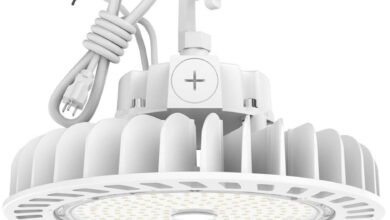
Choosing the right fixtures requires balancing aesthetic authenticity with technical capability. Select vintage-style housings that match your desired era—industrial cage pendants for warehouse aesthetics, brass sconces for art deco elegance, or Edison bulb chandeliers for speakeasy charm. Ensure these fixtures can accommodate RGB COB lamps by checking socket compatibility and heat dissipation requirements. Purchase fixtures with deeper housings to conceal the slightly larger profile of COB technology while maintaining the vintage appearance from customer sightlines.
Installing the fixtures starts with mapping your lighting zones based on function and atmosphere needs. Position primary fixtures at eye level or above to create focal points, then add concealed RGB COB uplights along walls and behind architectural features for ambient color washes. Run DMX cables or ensure strong WiFi coverage for wireless control systems, keeping wiring hidden within walls or along ceiling beams to preserve the vintage aesthetic. Connect all fixtures to a central controller positioned in an accessible back-of-house location.
Programming the lighting begins with creating baseline scenes for your standard operations—warm amber for dinner service, medium intensity for cocktail hours, and dynamic sequences for late-night entertainment. Use your controller’s software to set color temperatures, brightness levels, and transition speeds for each scene. Test these settings during off-hours to ensure they create the intended mood without harsh shadows or inadequate illumination. Make adjustments based on how light interacts with your specific furniture, wall colors, and architectural features, then save finalized scenes for one-touch activation during operations.
Programming RGB COB Lamps
Basic programming concepts revolve around understanding scenes, transitions, and triggers. A scene is a saved configuration of colors, brightness levels, and which fixtures are active. Transitions determine how quickly your lighting shifts from one scene to another—instant changes create dramatic effects, while gradual fades maintain smooth ambiance. Triggers activate these changes, whether through manual button presses, scheduled timers, or music synchronization. Mastering these three elements gives you complete control over your venue’s atmosphere throughout any event.
Using software to program lamps typically involves downloading the manufacturer’s application to your smartphone, tablet, or computer. Connect to your lighting system via WiFi or DMX interface, then access the main dashboard where all connected fixtures appear. Create a new scene by selecting which fixtures to include, adjusting their individual color values using RGB sliders or color wheels, and setting brightness percentages. Name each scene descriptively—”Dinner Service Warm,” “Late Night Energy,” “Saturday Disco”—so staff can easily identify and activate them. Most software allows grouping fixtures into zones, letting you control the bar area independently from the dance floor or lounge seating. Many venue owners find that systems from manufacturers like UKING Stage Lighting offer intuitive interfaces that simplify the programming process, making it accessible even for staff without technical backgrounds.
Customizing lighting sequences transforms static scenes into dynamic experiences. Build sequences by arranging multiple scenes in order and setting duration times for each. A sunset sequence might transition from bright amber to deep orange to purple over thirty minutes, automatically creating an evening atmosphere without staff intervention. For dance floors, create pulsing sequences that alternate between complementary colors at intervals matching typical song tempos. Advanced programming includes audio-reactive modes where lighting intensity responds to music volume, creating an immersive experience where light and sound work together to energize your crowd.
Maintaining Vintage Design Lighting
Regular maintenance keeps your vintage lighting system performing optimally and preserves its aesthetic appeal. Dust fixtures monthly using a microfiber cloth to prevent buildup that dims light output and obscures decorative elements. Check all electrical connections quarterly, ensuring DMX cables remain secure and wireless receivers maintain strong signals. Inspect vintage-style housings for corrosion or tarnishing, applying appropriate metal cleaners to brass or copper fixtures to maintain their luster. Clean glass shades and diffusers with streak-free cleaner to ensure light transmission remains unobstructed. Schedule these maintenance tasks during closed hours to avoid disrupting operations.
Replacing bulbs becomes necessary far less frequently with RGB COB technology compared to traditional incandescent vintage bulbs. Most COB lamps last 25,000 to 50,000 hours, meaning years of operation before replacement. When a lamp does fail, ensure you purchase identical models to maintain color consistency across your installation. Keep spare lamps on hand to minimize downtime, and replace failed units immediately to prevent uneven lighting that disrupts your carefully programmed scenes. Document which fixtures use which lamp models to streamline the replacement process.
Updating software ensures your lighting system benefits from improved features and bug fixes. Check your controller manufacturer’s website quarterly for firmware updates, downloading and installing them during off-peak hours. Back up your programmed scenes before updating to prevent losing custom configurations. Review release notes to learn about new features that might enhance your lighting capabilities, such as improved music synchronization or additional color presets. Consider updating your control apps on staff devices simultaneously to maintain compatibility across your system.
Creating Timeless Ambiance with Modern Technology
Vintage design lighting offers club owners a powerful tool for creating memorable spaces that resonate with customers on an emotional level. By combining authentic period aesthetics with modern fx lighting technology, you gain the flexibility to adapt your venue’s atmosphere to any theme or event while maintaining that timeless charm that keeps guests returning. The warm, nostalgic glow establishes your brand identity and creates those shareable moments that drive organic marketing through social media.
The investment in programmable vintage lighting systems pays dividends through reduced operational costs, eliminated redesign expenses, and increased customer dwell time. Your ability to transform ambiance instantly means one space serves countless purposes, maximizing your venue’s revenue potential without compromising on style or authenticity.
Start your transformation today by evaluating your current lighting setup and identifying opportunities to incorporate vintage fixtures with RGB COB technology. Your customers will immediately notice the difference, and your bottom line will reflect their enthusiasm for the elevated experience you’ve created.