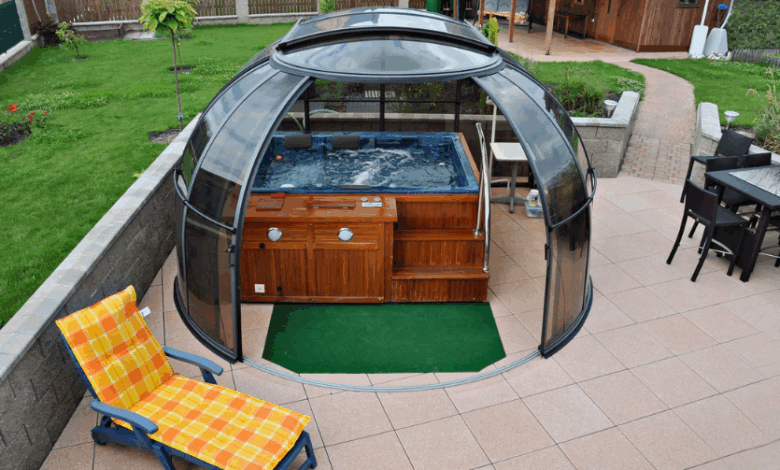
Adding a swim spa to your backyard is a fantastic way to create a personal oasis for relaxation and exercise. To make the most of it, a high-quality enclosure can protect your investment and enhance your experience year-round. Picture yourself soaking in warm, bubbling water during a snowy evening or swimming without worrying about falling leaves or harsh sunlight. A well-designed enclosure, like a swimming pool dome, transforms your swim spa into a private, functional retreat that blends seamlessly with your outdoor space.
In this guide, we’ll explore the world of hot tub enclosures tailored for swim spas, covering their benefits, types, essential features, and tips for choosing the best option. Whether you’re a homeowner looking to upgrade your backyard or new to swim spas, this article provides practical insights to help you make an informed decision.
Understanding Hot Tub Enclosures for Swim Spas
Hot tub enclosures for swim spas are protective structures designed to shield the spa from weather, debris, and pests. Unlike traditional hot tubs, swim spas are larger—often 12 to 20 feet long—and used for both leisure and fitness, so their enclosures must accommodate more space and activity. These range from simple covers to elaborate gazebos or domes that create a fully enclosed environment.

The primary goal is protection, but enclosures also add privacy, improve energy efficiency, and elevate your backyard’s aesthetic. For example, in cold climates, they prevent snow buildup and freezing, while in sunny regions, they offer UV protection to extend the spa’s lifespan.
Key Differences from Regular Hot Tub Covers
Standard hot tub covers are typically insulated lids, but swim spa enclosures are more robust, often featuring walls, roofs, and ventilation systems. They’re like small outdoor rooms, designed to handle the larger dimensions and dual-purpose nature of swim spas.
Benefits of Installing a Hot Tub Enclosure
Investing in a swim spa enclosure offers multiple advantages that enhance both practicality and enjoyment. Here’s a closer look:
- Year-Round Usability: Without an enclosure, your swim spa might be unusable during harsh weather. An enclosure lets you swim or relax in rain, snow, or extreme heat, making it a four-season feature.
- Energy Efficiency: By retaining heat, enclosures reduce the energy needed to keep the water warm, potentially cutting utility costs significantly, especially in colder climates.
- Privacy and Security: Enclosures create a secluded space, shielding you from prying eyes. Many include lockable doors or screens to keep out wildlife or ensure child safety.
- Aesthetic Enhancement: A stylish enclosure can transform your backyard, giving it a luxurious, cohesive look that complements your landscape.
- Health and Safety: Enclosures keep out debris, reducing slip hazards and water contamination. They also minimize UV exposure during daytime use.
Home improvement data suggests that such additions can boost property value by 5-10%, depending on quality and integration.
See also: On Time Home Experts Expands Professional Cleaning and Home Services Across Texas
Types of Hot Tub Enclosures for Swim Spas
The market offers various enclosure types, each suited to different budgets, spaces, and climates. Here’s an overview of the most popular options:
Retractable Enclosures
Retractable enclosures are highly versatile, made from materials like polycarbonate panels or aluminum frames. They can be opened for an open-air experience or closed for full protection, making them ideal for changing weather.
- Pros: Flexible, allows natural light, user-friendly.
- Cons: Higher cost, requires maintenance for tracks or motors.
These are often praised for their ease of use, with motorized options being especially convenient for larger swim spas.
Dome-Style Enclosures
Dome enclosures feature curved roofs and shatter-resistant glass or acrylic panels, offering a spacious feel and excellent insulation. They’re designed to shed snow and rain efficiently.
- Pros: Superior weather resistance, panoramic views.
- Cons: Higher installation costs, less customizable shapes.
They’re highly rated in snowy regions for their durability and structural strength.
Gazebo Enclosures
Gazebos provide a traditional, open-sided look with wooden or metal frames and screened walls. They offer shade and bug protection without fully enclosing the space.
- Pros: Budget-friendly, easy to assemble, blends with gardens.
- Cons: Less effective in extreme weather, may need additional covers.
Users often appreciate gazebos for their balance of affordability and functionality in milder climates.
Permanent Hard-Shell Enclosures
Hard-shell enclosures, made from materials like fiberglass or metal, are built for longevity. They often include features like built-in lighting or heating for a premium experience.
- Pros: Extremely durable, low maintenance.
- Cons: Permanent, harder to relocate.
These are favored in high-wind areas for their robustness.
Materials Used in Top-Rated Enclosures
The quality of materials directly affects an enclosure’s performance and lifespan. Key options include:
- Aluminum Frames: Lightweight, rust-resistant, ideal for humid environments.
- Polycarbonate Panels: UV-resistant and impact-proof, allowing light while blocking harmful rays.
- Tempered Glass: Offers clarity and elegance but requires careful handling to avoid breakage.
- Wooden Elements: Cedar or redwood, treated for moisture resistance, adds natural charm.
Top-rated enclosures often combine these materials to withstand temperatures from -20°F to 120°F.
Key Features to Consider in Top-Rated Models
When selecting an enclosure, prioritize features that enhance usability and safety. Based on user feedback and expert insights, here are must-haves:
- Ventilation Systems: Adjustable vents or fans prevent mold and condensation.
- Insulation Ratings: Look for R-values of at least R-10 for optimal heat retention and energy savings.
- Lighting Options: Integrated LED lights, often with dimmers, for evening use.
- Security Locks: Keyed or smart locks for added safety.
- Customization: Modular designs tailored to your swim spa’s dimensions.
As you explore these options, you might also consider complementary structures like a modern shed for storing spa accessories, creating a cohesive backyard setup.
Ease of cleaning is also critical—choose materials with anti-fungal coatings for low maintenance.
Installation Tips for Hot Tub Enclosures
Proper installation ensures your enclosure performs optimally. While some designs are DIY-friendly, larger ones may require professional help.
- Site Preparation: Ensure a level surface with good drainage to prevent water pooling.
- Permits and Codes: Check local regulations, especially for permanent structures.
- Assembly Steps: Start with the frame, then add panels, using weatherproof seals at joints.
- Common Mistakes to Avoid: Ignoring wind resistance or overlooking electrical needs for lights or motors.
Many top-rated enclosures include detailed manuals, but professional installation can save time and prevent errors.
Maintenance and Care Guidelines
Regular maintenance keeps your enclosure in top condition, extending its lifespan and performance.
- Cleaning Routine: Wipe panels with mild soap weekly; avoid abrasive cleaners.
- Seasonal Checks: Inspect seals and hardware before winter; lubricate moving parts.
- Repair Tips: Fix small cracks promptly to avoid bigger issues.
- Pest Prevention: Use screens and seal gaps to keep insects out.
With proper care, a quality enclosure can last 15-20 years or more.
User Experiences and Testimonials
Online forums highlight how enclosures transform swim spa use. One user shared, “It’s like having a private gym in our backyard, usable all year.” Another noted increased family time, with kids enjoying the spa safely thanks to the enclosure’s locks.
Environmental Considerations
Eco-friendly options are gaining traction. Look for enclosures made from recycled materials or those with solar-powered features to reduce your environmental impact while maintaining functionality.
Cost Factors and Budgeting
Enclosure costs vary based on size and features, typically ranging from $3,000 to $25,000, including installation. Cheaper options may compromise on quality, leading to higher long-term expenses. Prioritize durability to avoid frequent replacements.
Future Trends in Enclosure Design
The future of swim spa enclosures includes smart technology, like app-controlled openings and energy-monitoring sensors. Sustainable materials and designs are also on the rise, making enclosures more eco-conscious and user-friendly.
Final Thoughts
Choosing a top-rated hot tub enclosure for your swim spa involves balancing protection, style, and functionality. The right enclosure ensures year-round enjoyment, energy savings, and a touch of luxury in your backyard. For those looking to expand their outdoor setup, a prefab shed can complement your enclosure, offering storage or a nearby lounge area to complete the experience.