Proper maintenance of plumbing systems is often overlooked until issues arise, leading to inconvenience and costly repairs. Yet, regular upkeep is crucial for preventing such emergencies and ensuring the efficient operation of household water and sewage systems. We will explore the importance of routine plumbing maintenance from J&E Plumbing & Heating of Baldwin, detailing its benefits and how it contributes to the longevity and functionality of plumbing infrastructure.
Ensuring System Efficiency and Functionality
Regular plumbing maintenance plays a pivotal role in maintaining the efficiency and functionality of residential and commercial plumbing systems. Over time, pipes can develop blockages due to sediment buildup, leading to reduced water pressure or even complete clogs. Routine inspections and cleaning help identify these issues early on, allowing for timely interventions that prevent more extensive damage. Moreover, well-maintained systems operate more efficiently, conserving water and reducing utility costs—a significant advantage for homeowners and businesses.
Preventing Costly Emergencies
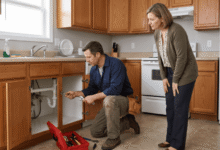
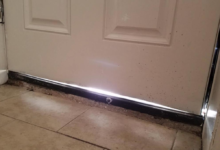
One of the most compelling reasons for regular plumbing maintenance is its ability to prevent costly emergencies. Minor leaks or drips, if left unattended, can escalate into major issues such as burst pipes or water damage. By scheduling routine inspections, plumbers can detect and repair these small leaks before they escalate, saving homeowners from the hassle and expense of restoration of emergency repairs and property damage. This proactive approach not only preserves the integrity of the plumbing system but also safeguards the structural integrity of buildings and prevents mold and mildew growth.


Read also: Home Plumbing Leak Inspection Checklist; Helping your Plumber Help You
Prolonging the Lifespan of Plumbing Fixtures
Another significant benefit of regular plumbing maintenance is prolonging the lifespan of plumbing fixtures and appliances. Hard water deposits and corrosion can gradually wear down pipes, faucets, and water heaters, leading to premature failure. Technicians can mitigate these effects through regular maintenance by cleaning fixtures, applying protective coatings, and recommending appropriate water treatment solutions. This preventive care extends the lifespan of plumbing components and reduces the frequency of replacements, ultimately saving homeowners money in the long run.
Maintaining Water Quality and Safety
The quality and safety of drinking water are paramount concerns for every household. Over time, pipes can accumulate rust, scale, or even bacteria, compromising water quality. Routine plumbing maintenance includes inspecting potential contaminants and ensuring that pipes are clean and free from harmful buildup. By addressing these issues promptly, homeowners can rest assured that their water supply remains safe for consumption and other household uses. Additionally, regular maintenance helps detect and address potential health hazards such as lead pipes or cross-contamination issues, ensuring a healthy living environment for all occupants.
Compliance with Regulatory Standards
Adherence to regulatory standards is essential for both residential and commercial properties. Regular plumbing maintenance helps ensure compliance with local building codes and health regulations, often mandating periodic inspections and repairs. By staying proactive with maintenance schedules, property owners can avoid fines or legal liabilities associated with non-compliance. Moreover, documented maintenance records can be invaluable during property inspections or real estate transactions, demonstrating responsible stewardship of plumbing infrastructure and bolstering property value and marketability.
Environmental and Social Responsibility
Taking a proactive approach to plumbing maintenance aligns with broader environmental and social responsibilities. By conserving water through efficient plumbing practices, homeowners contribute to sustainable water management efforts. Additionally, preventing leaks and reducing water waste helps alleviate the strain on local water resources, particularly in regions prone to drought or water scarcity. Socially, maintaining reliable plumbing systems ensures the comfort and well-being of residents, fostering a healthier and more livable community environment.
Ensuring Reliable Plumbing Performance
Beyond the immediate benefits of preventing emergencies and extending the lifespan of fixtures, regular plumbing maintenance also ensures reliable performance when you need it most. Malfunctioning toilets clogged drains, or faulty water heaters can disrupt daily routines and cause significant inconvenience. By conducting routine checks and preemptive repairs, plumbing professionals can identify potential issues before they escalate into significant disruptions, thus ensuring that plumbing systems operate smoothly and reliably. This proactive approach enhances comfort and convenience for occupants and reduces the likelihood of unexpected downtime and service disruptions.
Enhancing Property Value and Marketability
Regular plumbing maintenance can significantly enhance a property’s overall value and marketability. Potential buyers or tenants are often attracted to homes or commercial spaces with well-maintained plumbing systems, as it signals responsible ownership and reduces the risk of future maintenance costs. Documented maintenance records assure system reliability and compliance with regulatory standards, bolstering confidence among prospective buyers or lessees. Additionally, properties with efficient plumbing systems that conserve water and operate sustainably may appeal to environmentally-conscious buyers, further enhancing their attractiveness in the real estate market. Therefore, proactive plumbing maintenance protects current investments and enhances the long-term appeal and value of properties.
Regular plumbing maintenance is not merely a matter of convenience but a proactive strategy that promotes efficiency, sustainability, and safety within residential and commercial settings. By prioritizing routine inspections, cleaning, and repairs, property owners can mitigate potential emergencies, extend the lifespan of plumbing infrastructure, and safeguard water quality. Moreover, adherence to maintenance schedules ensures compliance with regulatory standards and enhances property value. Ultimately, investing in regular plumbing maintenance pays dividends in terms of cost savings, environmental conservation, and the overall well-being of occupants.