Water heaters are indispensable in modern homes, providing hot water for bathing, cleaning, cooking, and other daily tasks. Given their constant use, it’s no surprise that they sometimes encounter issues requiring repair. While some problems can be addressed with basic troubleshooting, others necessitate the expertise of a professional. We will explore the intricacies of professional water-heater repair in Vancouver, WA, highlighting common issues, the importance of timely maintenance, and the benefits of hiring a skilled technician.
Water Heater Repair: Common Issues, Maintenance Importance, and Skilled Technician Benefits
- Understanding Common Water-Heater Problems
Water heaters, whether tankless or traditional tank models, can experience a range of problems due to regular wear and tear or improper maintenance. Common issues include insufficient hot water, fluctuating water temperatures, discolored or odorous water, and unusual noises from the unit. Each of these problems can stem from various causes. For instance, inadequate hot water might result from a faulty thermostat, sediment build-up in the tank, or issues with the heating element. Fluctuating temperatures could indicate a malfunctioning thermostat or problems with the gas supply in gas-powered units. Discolored water often points to corrosion inside the tank, which might necessitate tank replacement. Meanwhile, strange noises typically signal sediment build-up or issues with the heating element. Identifying these issues early can prevent more severe damage and costly repairs.
- The Importance of Regular Maintenance
Regular maintenance of water heaters is crucial in extending their lifespan and ensuring optimal performance. Maintenance tasks include flushing the tank to remove sediment build-up, inspecting the anode rod for corrosion, checking the pressure relief valve, and examining the thermostat and heating elements. Flushing the tank helps maintain efficiency and prevents the build-up of minerals that can cause corrosion and reduce heating efficiency. The anode rod, a critical component, attracts corrosive elements in the water, protecting the tank from rusting. Regularly inspecting and replacing the anode rod can significantly prolong the life of a water heater. Additionally, checking the pressure relief valve ensures it operates correctly, preventing the tank from over-pressurizing and potentially exploding. Routine maintenance enhances the performance and efficiency of a water heater and reduces the likelihood of unexpected breakdowns, saving homeowners from sudden repair costs and inconveniences.


- Benefits of Hiring a Professional Technician
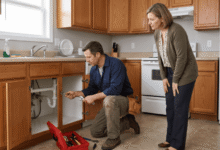
Hiring a professional technician for water-heater repair and maintenance offers numerous benefits. Professionals bring expertise and experience, allowing them to diagnose and resolve issues accurately and efficiently. They possess the necessary tools and parts to fix problems homeowners might need help addressing. For instance, replacing a heating element or a faulty thermostat requires specific tools and knowledge of electrical systems. Professionals are also familiar with local building codes and safety regulations, ensuring repairs comply with standards and reducing the risk of hazards like gas leaks or electrical fires.
Moreover, hiring a professional provides peace of mind, knowing the job is done correctly and safely. They can also advise on maintaining the unit and recommend energy-efficient solutions, potentially reducing energy bills. While DIY repairs might seem cost-effective, the expertise of a professional often proves invaluable in the long run, preventing recurring issues and extending the water heater’s life.
- Diagnosing and Troubleshooting Water-Heater Issues
Effective diagnosis and troubleshooting of water heater issues require a systematic approach. Professionals typically gather information about the unit’s age, type, and maintenance history. They then inspect the water heater for visible signs of wear or damage, such as rust, leaks, or unusual sounds. Testing the thermostat and heating elements is crucial, as these components often fail and cause issues with water temperature. Checking the pilot light, gas supply, and burner for gas-powered units is essential. If the water heater is not heating water adequately, professionals might test the electrical components, including the circuit breaker and wiring, to ensure they function correctly. Additionally, they may analyze water samples to check for high mineral content, which can cause sediment build-up and corrosion. By methodically diagnosing the problem, professionals can accurately identify the root cause and implement the most effective solution, ensuring the water heater returns to optimal performance.
rEAD ALSO: The Ultimate Guide to a Picture-Perfect Home Theater
- The Role of Technology in Water-Heater Repair
Technology has significantly advanced the field of water-heater repair, making diagnostics and repairs more efficient and accurate. Modern water heaters often come equipped with intelligent technology, allowing for remote monitoring and control. These systems can send alerts about potential issues, such as a drop in temperature or water leakage, enabling homeowners to address problems before they escalate. Professional technicians use advanced diagnostic tools, such as thermal imaging cameras, to detect issues that are not visible to the naked eye. For instance, thermal cameras can identify heat loss due to poor insulation or detect hot spots that indicate electrical issues. Electronic leak detectors are also invaluable in pinpointing the exact location of leaks, minimizing the need for extensive exploratory work. Additionally, specialized software can analyze the performance of water heaters, providing detailed reports that help in troubleshooting and preventive maintenance. By leveraging technology, professionals can offer more accurate diagnoses, efficient repairs, and enhanced maintenance services, ensuring water heaters operate at peak efficiency.
Professional water heater repair plays a vital role in ensuring these essential household appliances’ continued functionality and safety. By understanding common issues, prioritizing regular maintenance, knowing when to seek professional assistance, employing troubleshooting techniques, exploring repair options, and implementing preventative measures; homeowners can effectively manage and prolong the lifespan of their water heaters. Investing in professional services and proactive maintenance can save time, money, and inconvenience in the long run, making it a worthwhile endeavor for any homeowner.