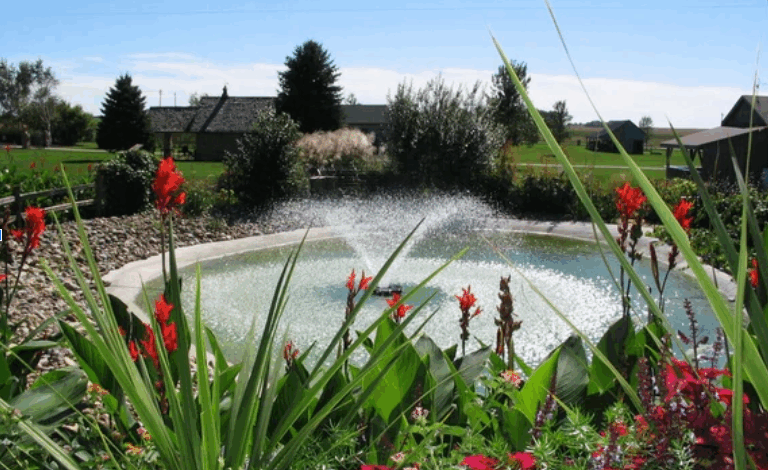
Modern pond fountains represent the perfect synthesis of decorative appeal and essential water treatment capabilities. These versatile systems deliver continuous water circulation while creating stunning visual displays that enhance any landscape design. The rhythmic movement of water creates mesmerizing patterns that change throughout the day, offering endless entertainment for observers. Property managers increasingly recognize that investing in quality fountain systems provides both immediate visual impact and long-term ecological benefits for their water features.
Understanding the Aesthetic Impact of Water Movement
Visual Drama Through Dynamic Displays: Water fountains create ever-changing artistic expressions that captivate viewers and establish memorable impressions. The interplay of light and water generates rainbow effects during sunny conditions, while evening illumination transforms these features into dramatic nighttime spectacles. Different spray patterns offer unique visual characteristics, from towering vertical columns to graceful arching sprays that dance across the water surface. The constant motion prevents the static appearance that characterizes stagnant ponds, replacing dull surfaces with vibrant, energetic displays.
Landscape Integration and Property Value: Strategic fountain placement enhances overall property aesthetics while complementing existing landscape elements and architectural features. These installations serve as natural gathering points for outdoor spaces, encouraging social interaction and creating peaceful environments for relaxation. The sound of moving water masks unwanted noise pollution from nearby traffic or industrial activities, improving the overall ambiance of residential and commercial properties. Real estate professionals consistently report that well-maintained water features with active fountains significantly increase property values and market appeal.




The Science Behind Functional Water Circulation
Oxygen Transfer and Aquatic Health: Moving water dramatically increases the surface area exposed to atmospheric oxygen, facilitating efficient gas exchange that benefits entire aquatic ecosystems. This process, known as aeration, prevents the development of anaerobic conditions that lead to foul odors and fish kills. The continuous agitation created by fountain systems ensures that oxygen-rich water reaches deeper pond layers, supporting beneficial bacteria that break down organic waste. Studies indicate that properly aerated ponds maintain dissolved oxygen levels above 5 parts per million, the threshold necessary for healthy fish populations.
Temperature Regulation and Destratification: Fountain systems prevent thermal stratification by mixing warm surface water with cooler bottom layers, creating more uniform temperature distributions throughout the pond. This circulation pattern eliminates the formation of distinct temperature zones that can trap nutrients and promote algae growth. The mixing action also distributes beneficial bacteria more effectively, improving overall water quality and reducing the likelihood of seasonal fish kills. Temperature uniformity becomes particularly important during extreme weather conditions when stratified ponds experience rapid environmental changes.
See also: How Pest Control in Riverside Supports Healthy Home Environments
Practical Benefits of Continuous Water Movement
Sediment Prevention and Nutrient Management: Active water circulation prevents the accumulation of organic debris that would otherwise settle and decompose on pond bottoms. This constant movement keeps particles suspended, allowing filtration systems to remove them more effectively before they contribute to nutrient loading. The agitation also helps distribute beneficial bacteria throughout the water column, improving their ability to process organic waste products. Property owners notice significant reductions in muck buildup and unpleasant odors when fountain systems operate consistently.
Algae Control Through Environmental Modification: Moving water creates conditions that naturally discourage excessive algae growth by preventing the stagnant environment these organisms prefer. The continuous circulation disrupts algae colonies before they can establish stable populations, while increased oxygen levels support organisms that compete with algae for available nutrients. Additionally, the physical disturbance makes it difficult for algae to form surface mats that block sunlight penetration. This natural approach to algae control reduces the need for chemical treatments and their associated environmental impacts.
Design Considerations for Maximum Effectiveness
Sizing and Placement Strategies: Proper fountain sizing ensures adequate water circulation for the specific pond volume and shape, with most systems requiring approximately 1 horsepower per acre of surface area. Strategic placement near pond centers typically provides optimal circulation patterns, though irregular shapes may require multiple units or adjusted positioning. The depth of fountain installation affects circulation effectiveness, with most systems performing best when placed in water depths between 4 and 8 feet. Professional assessment helps determine the ideal configuration for specific pond characteristics and intended uses.
Seasonal Operation and Maintenance Requirements: Year-round operation maximizes both aesthetic and functional benefits, though cold climates may require specialized equipment designed for winter conditions. Regular maintenance includes cleaning intake screens, checking electrical connections, and inspecting spray patterns for optimal performance. Seasonal adjustments might involve changing spray heads or modifying operation schedules to address changing environmental conditions. The following maintenance tasks ensure reliable operation:
- Monthly visual inspections of spray patterns and water clarity
- Quarterly cleaning of intake screens and electrical connections
- Annual professional servicing of pump components and control systems
- Seasonal adjustments for changing weather conditions and pond usage patterns
Long-Term Environmental and Economic Benefits
Ecosystem Health and Biodiversity Support: Well-aerated ponds support diverse aquatic communities that contribute to natural ecosystem balance and environmental sustainability. The improved water quality creates suitable habitat for beneficial insects, amphibians, and fish species that indicate healthy aquatic environments. This biodiversity helps control pest populations naturally while providing educational opportunities for property users interested in environmental stewardship. The enhanced ecosystem stability reduces the need for costly chemical interventions and creates more resilient pond communities.
Cost-Effective Water Management Solutions: Fountain systems provide exceptional value by addressing multiple pond management challenges through a single installation that combines aesthetic enhancement with practical functionality. The prevention of costly problems like fish kills, extensive algae blooms, and sediment accumulation often justifies the initial investment within the first few years of operation. Energy-efficient modern systems minimize operating costs while delivering consistent performance, making them attractive options for budget-conscious property managers. The dual-purpose nature of these installations eliminates the need for separate aesthetic and functional systems.
Conclusion
The integration of beauty and functionality in pond fountain systems represents a sophisticated approach to water feature management that addresses both visual and ecological objectives. These installations prove that practical necessity doesn’t require sacrificing aesthetic appeal, instead offering enhanced value through their dual-purpose design. Property owners who invest in quality fountain systems enjoy immediate visual improvements while establishing the foundation for long-term pond health and environmental sustainability. Consider consulting with water management professionals to explore how fountain systems can transform your pond into a stunning and ecologically sound centerpiece that enhances your property for years to come.