Understanding Roof Lanterns and Their Purpose
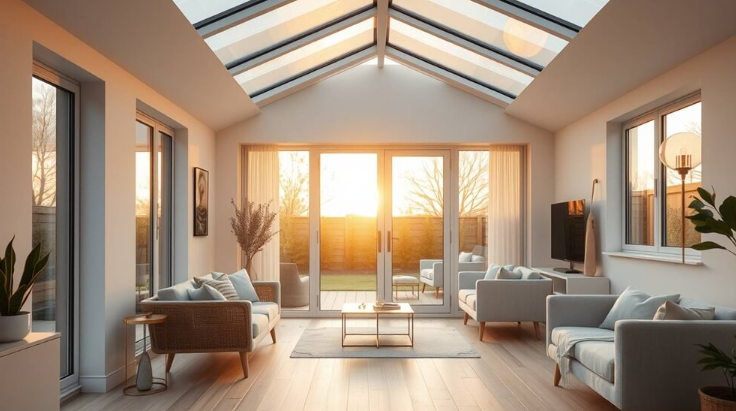
Roof lanterns are architectural roof features designed to sit on flat or low-pitched roofs, allowing natural daylight to flood interior spaces from above. Unlike standard skylights, roof lanterns are typically larger, more decorative, and structured with framed glass panels that create a striking focal point. Historically, they were used in grand buildings and Victorian homes, but today they are widely adopted in modern residential and commercial properties. Their main purpose is to maximize daylight penetration, improve ventilation in some designs, and add a sense of height and openness to rooms that may otherwise feel enclosed. By drawing light from above, roof lanterns enhance areas such as kitchens, dining rooms, extensions, and open-plan living spaces, making them brighter and more inviting throughout the day.
Design Styles and Materials Used in Roof Lanterns
Modern roof lanterns are available in a wide range of styles, from minimalist contemporary designs to more traditional, ornate structures. Frames are commonly made from aluminum, steel, or timber, each offering unique aesthetic and performance benefits. Aluminum is particularly popular due to its slim sightlines, durability, and resistance to corrosion, while timber frames provide warmth and a classic appearance. Glass technology has also evolved significantly, with double or triple glazing, self-cleaning coatings, and UV protection now standard in high-quality designs. These materials work together to ensure roof lanterns are not only visually appealing but also energy-efficient, weather-resistant, and long-lasting, making them suitable for various climates and architectural preferences.
Benefits of Installing Roof Lanterns in Modern Homes
One of the most significant advantages of installing Roof lanterns is the dramatic increase in natural light they bring into a space. This natural illumination reduces the need for artificial lighting during the day, helping to lower energy costs and create a healthier indoor environment. Sunlight has been shown to improve mood and productivity, making roof lanterns especially beneficial in living and working areas. Additionally, they enhance the perceived size of a room by drawing the eye upward, creating a sense of openness and luxury. From a property value perspective, roof lanterns are often seen as a premium feature, adding both aesthetic appeal and functional value that can make a home more attractive to potential buyers.



Energy Efficiency and Practical Performance
Contrary to common misconceptions, well-designed roof lanterns can be highly energy-efficient. Modern glazing options include low-emissivity coatings and argon-filled glass units that minimize heat loss during colder months while reducing solar gain in summer. This balance helps maintain comfortable indoor temperatures year-round. Many roof lanterns are also engineered with thermal breaks in the frame to prevent condensation and heat transfer. In addition to thermal performance, practical considerations such as sound insulation, weatherproof sealing, and structural integrity are carefully addressed in quality installations. When professionally fitted, roof lanterns can perform just as efficiently as traditional roofing materials while offering far superior lighting benefits.
See also: Support at Home – Embracing Comfort and Independence
Installation Considerations and Long-Term Value
Installing roof lanterns requires careful planning to ensure structural compatibility, correct sizing, and optimal positioning. Factors such as roof pitch, orientation to the sun, and internal room layout all influence the final result. Professional installation is essential to guarantee safety, watertightness, and compliance with building regulations. Over the long term, roof lanterns offer excellent value by enhancing daily living comfort and reducing reliance on artificial lighting. Their durability and timeless appeal mean they remain a worthwhile investment for years to come, blending practicality with architectural beauty and transforming ordinary spaces into light-filled, visually stunning environments.