Home renovations can improve comfort, value, and functionality, but they can also create hidden opportunities for pests. Planning pest control alongside the project is an important part of preventing pests during home renovations and protecting exposed areas, new materials, and the finished home from infestations that may otherwise go unnoticed.
Why Preventing Pests During Home Renovations Matters
Renovation work temporarily removes many of the barriers that normally keep pests outside. Open walls, unfinished flooring, exposed insulation, disconnected fixtures, and gaps around utilities can give insects and rodents direct access to concealed areas of the home.
A renovation can also change how pests move through a house. Demolition may break up an established nest, remove a familiar food or water source, or open a route between the exterior and previously sealed wall cavities. Pests often relocate deeper into the building instead of leaving the property.

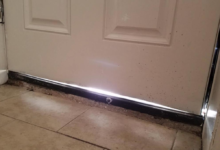

Pests that enter during construction may remain unnoticed after walls, cabinets, and flooring are closed. Droppings beneath cabinets, termite-damaged framing behind drywall, or rodent access around a pipe chase may remain hidden for years after the project is completed. This can lead to damaged wiring, contaminated insulation, nesting inside wall cavities, wood deterioration, and recurring pest activity that becomes more difficult and expensive to resolve.
Preventive pest control also protects new materials. Termites, carpenter ants, rodents, cockroaches, and moisture-loving insects may damage framing, drywall, flooring, cabinetry, adhesives, or stored supplies before the renovation is complete. Addressing pest activity while the structure is open can prevent finished materials from needing to be removed later. Early mice control can prevent rodents from nesting in exposed cavities or damaging new materials before those areas are sealed.
Renovation Risks Managed by Pest Control During Remodel
Demolition is one of the most disruptive activities because it can expose nests, tunnels, droppings, damaged wood, and concealed pest pathways. Removing drywall, cabinets, flooring, roofing, siding, insulation, old fixtures, doors, or windows may force pests into other parts of the property, making pest control during remodel especially important at this stage.
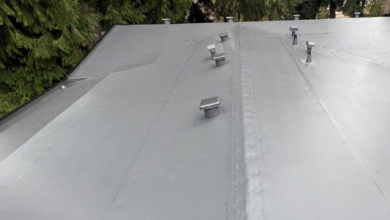
Projects that open connections between indoor voids and the exterior carry the highest risk. These include additions, roof replacement, window enlargement, siding removal, foundation work, and new plumbing, electrical, HVAC, cable, or gas lines.
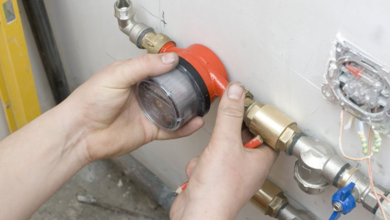
Plumbing and bathroom renovations can attract pests when leaks, standing water, damp subfloors, or open drains are present. Replacing a bathtub or shower can reveal moisture-damaged wood and insect activity around supply lines. Disconnecting toilets, sinks, or drains can leave sewer and drain openings temporarily exposed.
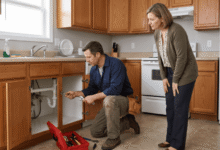
Kitchen remodeling may increase activity when food residue, appliance voids, grease buildup, or plumbing openings are exposed. Removing kitchen cabinets can uncover cockroach harborages and rodent routes around sink plumbing.
Pulling up flooring can expose gaps at wall edges, radiator pipes, floor drains, and slab joints. Opening ceilings can allow rodents or insects in attic spaces to spread into occupied rooms. Replacing damaged wood or insulation can also expose concealed pest activity.
Excavating soil for additions, decks, drainage, utility work, or foundations can disturb underground termite colonies, ant nests, burrows, and drainage patterns. Landscape removal can also disturb ants, rodents, termites, wasps, and other pests living near the foundation.
Leaving doors open for workers and deliveries can allow flies, mosquitoes, rodents, and occasional invaders indoors. The project schedule matters as much as the type of work. A building left partially open overnight or through a weekend may face more exposure than one opened and weather-sealed within the same day.
Entry Points Addressed by Pest Control for Property Remodeling
Remodeling often creates small openings that are easy to overlook during the final inspection. Pest control for property remodeling should account for gaps around plumbing lines, electrical conduits, HVAC equipment, exhaust vents, cable penetrations, recessed lighting, utility boxes, windows, doors, rooflines, flashing, fascia, soffits, foundation joints, crawl-space vents, cabinet plumbing cutouts, floor-to-wall connections, garage doors, service entrances, chimneys, roof vents, siding transitions, exterior trim, and additions connected to the original structure.
Many remodeling entry points are created during installation and disappear behind the finished surface. Common examples include oversized holes drilled for pipes, wiring, refrigerant lines, internet cables, and appliance connections; the space beneath a new exterior door threshold; gaps behind window trim and extension jambs; unsealed ends of corrugated utility conduit; openings where kitchen islands receive plumbing or electricity through the floor; voids behind wall-mounted toilets and floating vanities; gaps around mini-split lines and exterior heat-pump connections; incomplete seals where an addition joins the original structure; open soffit returns created during roof or siding work; gaps beneath base cabinets that connect with wall or floor cavities; floor drain, cleanout, and condensate-line openings; and unscreened bath, range-hood, and dryer exhaust terminations.
These gaps should be reviewed and sealed before insulation, drywall, cabinets, trim, flooring, appliances, and wall finishes make them difficult to reach.
Should Homeowners Schedule Pest Control Before or After Renovation?
Pest control is most effective when it is coordinated at several stages of the project. For major renovations, preventing pests during home renovations requires pest control to be treated as a scheduled trade with defined inspection points, similar to plumbing, electrical, and building inspections.
A pre-renovation inspection identifies active infestations, damaged materials, nesting areas, termite activity, moisture conditions, and existing access points. Treating these issues before demolition helps prevent pests from spreading into unaffected rooms and identifies areas requiring careful removal. This is especially useful when the project involves old kitchens, bathrooms, basements, crawl spaces, roofs, or termite-prone framing.
A second inspection should occur after demolition and rough utility work, while framing, subfloors, wall cavities, crawl spaces, and penetrations are visible. This is often the most valuable visit for pest control during remodel because technicians can inspect and treat areas that will later be covered, apply targeted treatments, and recommend exclusion work while access is still available.
A final inspection should take place after exterior sealing and cleanup but before the project is considered fully closed. It can confirm that construction gaps have been sealed, debris has been removed, moisture problems have been corrected, exclusion work was completed properly, and no new pest activity has developed.
The ideal schedule usually includes all three stages for extensive remodeling projects.
How Pest Control During Remodel Protects the Home
Exposed construction areas provide access to locations that are normally difficult to inspect or treat. A pest professional can examine framing for termite damage, carpenter ant activity, wood-boring insects, rodent nesting, droppings, moisture damage, and hidden travel routes. A technician can trace staining, rub marks, damaged insulation, mud tubes, nesting material, and moisture patterns to their source instead of treating only the visible room.
Treatments can be placed precisely in cracks, voids, framing joints, sill plates, subfloors, and other vulnerable areas. As part of pest control for property remodeling, exposed areas can also be made less hospitable before they are enclosed. Depending on the pest and building conditions, this may involve removing contaminated insulation, treating accessible wood, closing rodent travel routes, screening voids, correcting moisture sources, or installing barriers around utility penetrations.
Utility openings can be sealed with materials appropriate for the pest risk and building condition. Expanding foam alone may not stop rodents. Metal mesh, hardware cloth, sheet metal, mortar, escutcheon plates, or other durable materials may be needed. Fire-rated walls and utility penetrations may require approved firestopping systems, so exclusion work should be coordinated with the contractor and local code requirements.
This process helps prevent pests from being enclosed inside finished walls and reduces the likelihood that utility penetrations will become permanent entry routes. The objective is to leave each cavity dry, clean, inspectable, and sealed before finishes are installed.
See also: Ceramic Nonstick Pots and Pans for Confident Home Chefs
What Pest Control for Property Remodeling Includes
A remodeling-focused pest control plan should be based on the building, the scope of work, local pest pressures, and any evidence found during inspection. Effective pest control during remodel should include more than a standard perimeter treatment and should define responsibilities, documentation, and the conditions that must be corrected by the contractor.
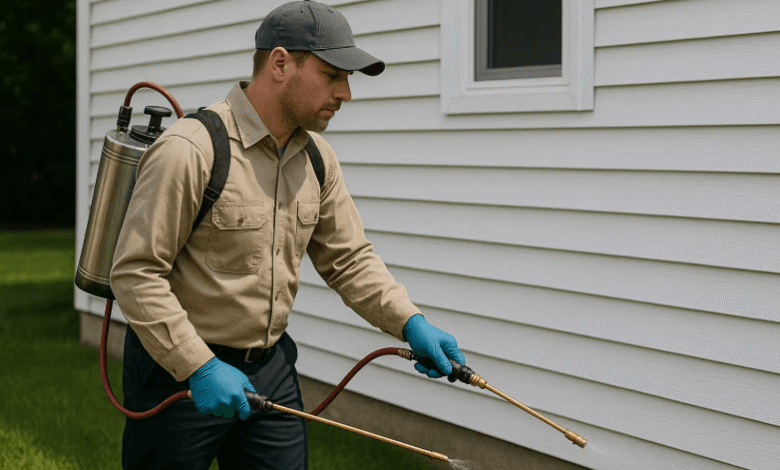
A thorough program for pest control for property remodeling may include inspection of the interior, exterior, attic, crawl space, basement, roofline, and foundation; identification of active pests, nesting areas, droppings, damage, moisture conditions, and pest-damaged or contaminated materials; termite inspection and treatment recommendations; species-specific treatment where active pests are confirmed; targeted treatment of exposed framing, voids, cracks, and structural joints; and rodent trapping, removal, or exclusion.
Incoming lumber, cabinetry, appliances, and stored fixtures should be inspected. Moisture readings may be taken in affected framing, subfloors, and wall assemblies, with recommendations for debris handling and material storage.
The pest professional and renovation contractor should coordinate pest control during remodel so treated or sealed areas are not unintentionally disturbed. Photographs of concealed areas should be taken before closure.
Monitoring devices may be placed in utility rooms, garages, basements, crawl spaces, and other high-risk areas. Documentation should identify treated areas, pest findings, exclusion recommendations, and conditions requiring follow-up.
Treatments should follow product labels, building requirements, and applicable regulations. The plan should distinguish pest-control work from repairs that belong to the general contractor, roofer, plumber, electrician, or waterproofing specialist.
Debris and Moisture Risks When Preventing Pests During Home Renovations
Construction debris can provide food, shelter, and nesting material. Cardboard, drywall paper, insulation, wood scraps, packaging, fabric, protective floor coverings, and general waste create undisturbed spaces for rodents, cockroaches, ants, silverfish, and other pests. Food packaging mixed into construction waste can make a dumpster attractive within a single night. Dumpsters can draw flies, rodents, cockroaches, and wildlife when they contain food containers or remain uncovered.
Wood debris placed directly on soil may attract termites and wood-destroying insects.
Moisture is another major risk factor. Plumbing leaks, rain entering unfinished areas, wet lumber, damp drywall, poor drainage, and inactive ventilation can create suitable conditions for termites, carpenter ants, cockroaches, mosquitoes, drain flies, springtails, and fungus-feeding insects. Moisture risks may continue even when no obvious leak is visible. Newly poured concrete releases moisture, while wet trades, including plastering, tiling, and painting, increase indoor humidity. Temporary roof openings, uncapped plumbing, condensate discharge, and materials stored on damp slabs can create localized conditions that support insects and fungal growth.
Stored materials can also introduce pests. Lumber, cabinets, flooring, boxes, fixtures, and appliances may arrive with insects, egg cases, or nesting material. Supplies stored in garages, basements, yards, warehouses, or open structures are particularly vulnerable. Cardboard boxes may carry cockroaches or egg cases, while appliances may contain insects or rodent nesting material. Lumber stored against soil or exterior walls may provide shelter for termites and ants. Wrapped flooring may trap moisture if it is delivered before the building is dry, and cabinets stored in an open structure can become nesting sites before installation.
Materials should be inspected on arrival and before installation, stored on racks or pallets, kept dry and away from walls, vegetation, and exterior debris, protected from rain, and rotated so older deliveries are used first.
Renovation sites create frequent changes in shelter, temperature, humidity, and food availability. Pests respond quickly to these changes, which is why preventing pests during home renovations requires ongoing attention throughout the project.
Post-Renovation Steps for Preventing Pests During Home Renovations
Homeowners should begin with a detailed, documented final inspection of the renovated area and the exterior perimeter. A final review for pest control for property remodeling should identify every new exterior penetration, vent, drain, utility route, access panel, and connection between the addition and the original house. These locations should be checked for complete sealing and future service access.
Construction waste, unused materials, cardboard, protective coverings, and scrap wood should be removed promptly from garages, attics, basements, and other areas. Remaining supplies should be stored in sealed containers and kept off the floor. Homeowners should also clean beneath and behind newly installed appliances before access becomes difficult.
Moisture prevention should include checking new plumbing connections, appliance lines, drains, roofing, flashing, gutters, ventilation systems, exterior grading, downspouts, and drainage. Under-sink cabinets and appliance connections should be tested for slow leaks, and grading and drainage should be rechecked after the first heavy rain. Damp areas should be dried quickly, and leaks should be repaired as soon as they are discovered.
Door sweeps should contact the threshold without visible gaps, damaged screens should be repaired, and exterior vents should have secure, pest-resistant covers. Plants and mulch should be kept away from siding and foundations, while firewood should be stored away from the house and above the ground. Food should be sealed, trash removed regularly, and cabinet voids and areas behind appliances kept clean.
Homeowners should inspect attics, crawl spaces, basements, garages, utility penetrations, and areas where old and new construction meet. They should watch for droppings, gnaw marks, insect wings, mud tubes, odors, or unusual sounds. Utility penetrations should be inspected annually, since sealants can shrink or separate, and new caulk joints should be checked after the building has gone through seasonal expansion and contraction.
Renovation records should include photographs of exposed framing and utility routes, the products and materials used for pest exclusion, any pest treatments, repaired damage, sealed openings, and areas requiring future inspection. This information can help homeowners and pest professionals respond quickly if activity appears later.
A professional post-construction pest inspection should be scheduled, with follow-up monitoring when termites, rodents, cockroaches, or wood-destroying insects were found during the project. A useful post-renovation inspection schedule includes an initial check after completion, another after the first major season change, and annual inspections for properties with known termite, moisture, or rodent pressure. Maintaining this schedule supports preventing pests during home renovations even after construction has ended. Routine pest monitoring should also be maintained based on local risks.