Historic design styles don’t have to make a home feel old-fashioned. In fact, some of the most recognizable patterns from the early 20th century work remarkably well alongside contemporary furniture, simple architecture, and modern color palettes. Art Deco wallpaper can introduce geometry, rhythm, and sophistication into an otherwise minimalist room, while the flowing botanical forms associated with Art Nouveau provide a softer way to add character. The key is not to recreate a period interior, but to use these decorative influences selectively.
When historical patterns are balanced with modern materials and uncluttered furnishings, they become a focal point rather than a theme. This approach makes both Art Deco and Art Nouveau surprisingly versatile for bedrooms, living rooms, dining areas, home offices, and even smaller spaces.
Why Vintage-Inspired Wallpaper Works in Modern Homes
Contemporary interiors often rely on clean lines, neutral colors, and relatively simple furniture. While this creates visual calm, it can sometimes leave a room lacking depth or personality.

Wallpaper provides an opportunity to introduce that missing layer.
Historic patterns are particularly effective because they contain details that contrast with modern simplicity. A geometric wall behind a streamlined sofa, for example, creates tension between decorative pattern and clean furniture lines. A botanical design can soften a minimalist bedroom without requiring additional artwork or accessories.
The goal is balance.
Instead of matching wallpaper with furniture from the same historical period, allow the pattern to become one distinctive element within an otherwise contemporary space.
Using Art Deco Wallpaper Without Creating a Themed Interior
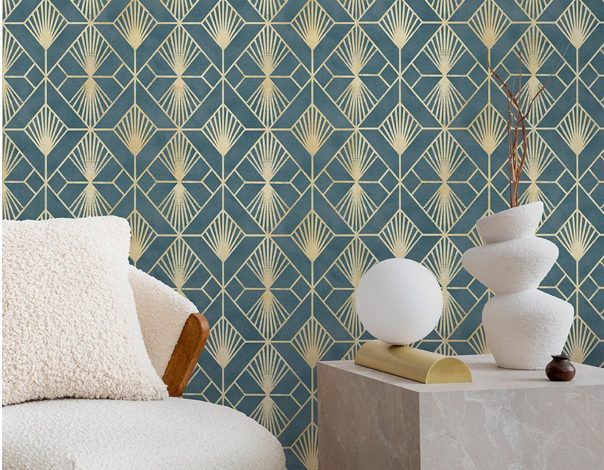
Art Deco is recognizable for its geometry, symmetry, arches, fan motifs, repeated lines, and strong decorative structure.
Because these characteristics are so distinctive, it can be tempting to repeat them throughout the entire room. Geometric mirrors, brass furniture, velvet seating, dramatic lighting, patterned rugs, and decorative accessories may all seem appropriate.
But using everything at once can make the interior feel staged.
A more contemporary approach is to choose one or two Art Deco references and keep the rest relatively restrained.
If the wallpaper is highly detailed, pair it with simple furniture. A modern bed with clean upholstery, a minimal console, or a straightforward sofa gives the pattern space to stand out.
The contrast is what makes the design feel current.
Start With an Accent Wall
An accent wall is one of the easiest ways to introduce a decorative historical style into a modern home.
In the bedroom, the wall behind the bed is a natural choice. The headboard creates an obvious focal point, while wallpaper adds depth around it.
In the living room, consider the wall behind the sofa or a console table. A dining room can use wallpaper behind the main table area to visually define the space.
This approach is particularly useful with bold patterns because you don’t have to repeat the design throughout the entire room.
The remaining walls can stay neutral, allowing the wallpaper to become a deliberate architectural feature rather than a dominant decorative layer.
Choose a Contemporary Color Palette
Pattern isn’t the only factor that determines whether wallpaper feels traditional or modern. Color can completely change its character.
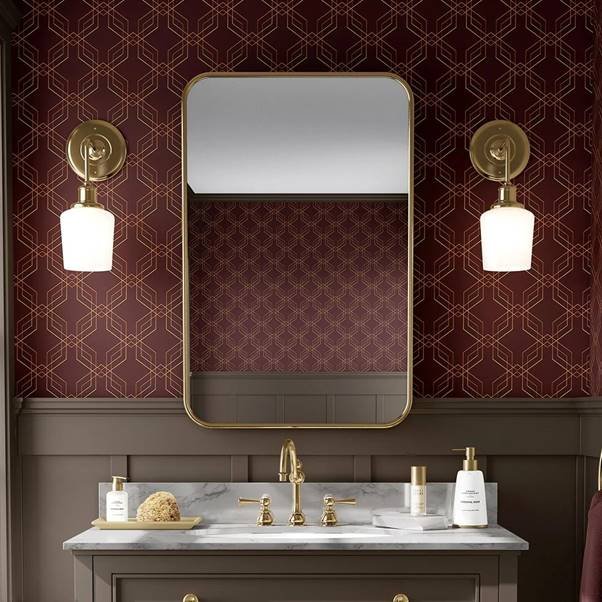
Classic Art Deco is often associated with black, emerald, navy, burgundy, gold, and other rich shades. These combinations can still work beautifully, particularly in dining rooms and dramatic bedrooms.
However, softer palettes create a more contemporary interpretation.
Consider beige, cream, warm gray, muted green, dusty blue, or other understated tones. A geometric pattern in a neutral palette retains its Art Deco character while becoming easier to combine with modern furniture.
If you do choose a darker design, balance it with lighter elements elsewhere in the room. Pale upholstery, neutral curtains, light flooring, or a bright ceiling can keep the space from becoming visually heavy.
Bringing Art Nouveau Into a Contemporary Space
Art Nouveau offers a very different decorative language.
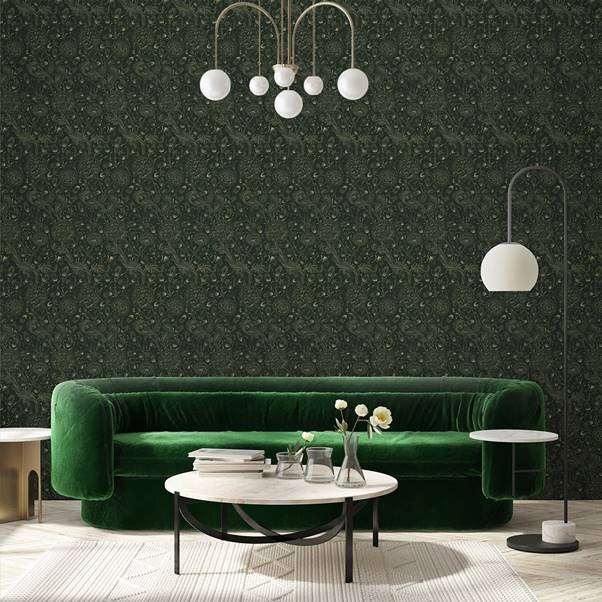
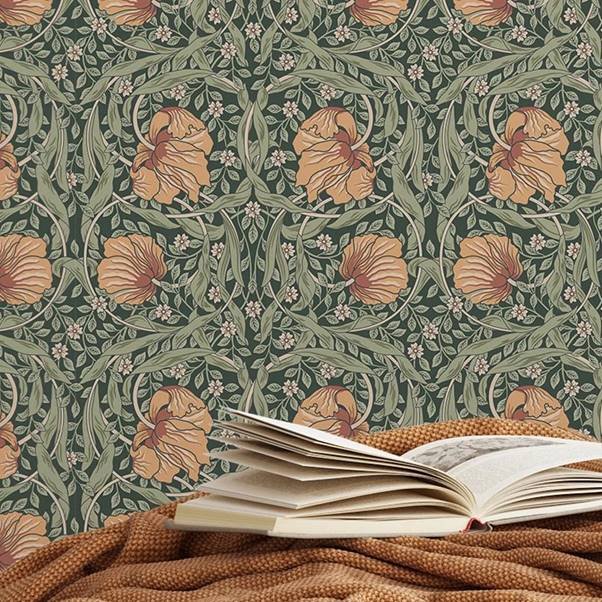
Instead of structured geometry, it relies heavily on nature, flowing curves, flowers, leaves, vines, and organic movement. Modern Art Nouveau wallpaper can therefore be particularly effective in spaces that already incorporate natural materials, curved furniture, plants, or softer color palettes.
The same principle applies here: avoid trying to recreate a complete historical room.
Let the wallpaper provide the decorative complexity while furniture and accessories remain relatively simple.
This allows intricate botanical patterns to feel intentional rather than overwhelming.
Combine Art Nouveau With Natural Materials
Natural materials are among the easiest companions for Art Nouveau-inspired designs.
Wood works particularly well because it reinforces the botanical character of the pattern without introducing another competing motif.
Light oak can make the room feel fresh and contemporary, while walnut or darker woods create a richer atmosphere.
Linen, wool, rattan, stone, and ceramic elements can also help connect the wallpaper with the rest of the room.
Imagine a bedroom with botanical wallpaper behind a simple wooden bed, neutral linen bedding, and understated bedside tables. The pattern provides visual interest, while the materials keep the overall space grounded.
The result references historical design without feeling like a period room.
Use Curved Shapes as a Subtle Connection
Art Nouveau is known for its flowing lines, so curved furniture and accessories can create a natural visual connection.
This doesn’t mean every piece needs an elaborate silhouette.
One or two curved elements are enough.
An arched mirror, rounded armchair, circular side table, curved headboard, or sculptural lamp can echo the movement of the wallpaper without directly copying it.
This is an effective way to make the interior feel cohesive while maintaining a contemporary aesthetic.
How to Use These Styles in a Bedroom
Bedrooms are particularly suitable for decorative wallpaper because the bed provides a clear visual anchor.
For an Art Deco bedroom, geometric wallpaper behind the headboard can create a sense of structure and symmetry. Keep bedding relatively simple if the pattern is strong, and repeat one or two wallpaper colors through cushions or smaller accessories.
An Art Nouveau bedroom can feel softer and more organic. Botanical patterns work well with wooden furniture, linen textiles, muted colors, and warm lighting.
In both cases, consider what the wall will look like once furniture is installed.
A large headboard can cover an important part of a pattern, particularly if the wallpaper includes oversized motifs. Reviewing the scale of the design before installation helps avoid losing key decorative details behind furniture.
Living Room Ideas
In a living room, wallpaper can either serve as a background or become the main decorative feature.
If your room already contains colorful furniture, artwork, books, and accessories, consider a lower-contrast wallpaper. This adds texture without making the space feel crowded.
If the furniture is relatively neutral, you have more freedom to choose a stronger pattern.
Art Deco geometry can give a simple living room a sharper, more sophisticated character. Art Nouveau botanicals can introduce movement and soften straight architectural lines.
A useful rule is to decide where you want people to look first.
If the wallpaper is the focal point, other large decorative elements should generally be quieter.
Dining Rooms Can Handle More Drama
Dining rooms are an ideal place to experiment with stronger wallpaper.
These spaces are often used differently from bedrooms and living rooms, making deeper colors and more dramatic patterns easier to accommodate.
Dark Art Deco designs can create an intimate atmosphere when paired with warm lighting, wood, glass, or subtle metallic accents.
Art Nouveau botanical wallpaper can achieve a similarly dramatic result using nature-inspired imagery rather than geometry.
A dining room is also one of the spaces where wallpapering more than one wall can work particularly well. Instead of creating a single focal point, the pattern can establish an immersive atmosphere around the table.
Don’t Forget the Home Office
Wallpaper can be especially useful in a home office because these rooms are often furnished very simply.
A desk, chair, storage, and a few shelves may be practical, but they don’t necessarily create an inspiring environment.
A patterned wall behind the desk can introduce personality without taking up any floor space.
Art Deco is particularly effective if you prefer a structured, polished workspace. Art Nouveau works well when you want something softer and more creative.
If the wallpaper will appear behind you during video calls, consider scale and contrast. A highly detailed pattern may look visually busy on camera, while a slightly larger or more restrained design can create a distinctive background.
Final Thoughts
Art Deco and Art Nouveau wallpaper can work beautifully in modern interiors when they are treated as design influences rather than strict historical themes. Geometric Art Deco patterns can add structure and sophistication, while flowing Art Nouveau designs introduce nature, softness, and movement. Contemporary furniture, restrained accessories, and thoughtful color choices allow both styles to feel relevant in today’s homes.
If you’re considering either direction, explore the Art Deco and Art Nouveau collections from CostaCover to compare different patterns, scales, and palettes. The right design can bring historical character into a room while still allowing the overall interior to feel distinctly modern.