Online education offers flexibility and personalised learning, but your child’s success depends partly on the support they receive at home. Many parents wonder how they can best help their children thrive in a virtual learning environment. The good news is that with the right approach and consistent involvement, you can create conditions that will allow your child to excel academically and personally.
Parents choosing online home schooling in the UK often find themselves taking on a more active role in their child’s education than they might have expected. This shift can feel daunting at first, especially if you’re juggling work commitments or supporting multiple children. Yet the partnership between parents, students, and teachers in an online setting creates opportunities for deeper engagement with your child’s learning journey. Understanding how to provide effective support makes all the difference.
Creating a Productive Learning Environment
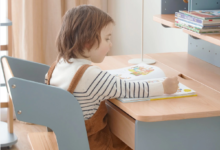
Designating a Dedicated Study Space: Your child needs a specific area in the home where they can focus on their lessons without constant interruptions. This doesn’t require a separate room, but it should be somewhere reasonably quiet with good lighting and a comfortable chair. The space should feel distinct from areas used for relaxation or play, helping your child’s brain to recognise when it’s time to concentrate on schoolwork.



Ensuring Technical Requirements Are Met: Online learning relies on stable internet connectivity and functioning electronic devices. Check that your child’s computer or tablet meets the technical specifications required by their online school, and that your internet connection can handle video streaming without constant buffering. Having a backup plan for technical difficulties prevents small issues from becoming major disruptions.
See also: Learning Through Playing: Early Education
Establishing Effective Daily Routines
Setting Consistent Schedules: Children benefit from predictable routines, even when learning from home. Establishing regular wake-up times, meal times, and bedtimes helps create structure that mirrors traditional schooling. Your child should know when their lessons begin each day and have a clear schedule that balances academic work with breaks and physical activity. This consistency helps maintain healthy sleep patterns.
Balancing Work with Downtime: Structure is valuable, but your child also needs unscheduled time to pursue hobbies, socialise with friends, or simply relax. Online learning can sometimes blur the boundaries between school time and free time, particularly if your child feels behind on coursework. Help them recognise that rest is productive too, and that studying every waking hour often leads to burnout rather than attaining better results.
Communicating with Teachers
Understanding Your Role in the Partnership: Teachers in online schools expect parents to be more involved than they might be in traditional settings. You’re not expected to become a qualified teacher yourself, but you do need to monitor your child’s attendance, help them stay organised, and communicate any concerns promptly. This collaborative approach to education means teachers can tailor their support to your child’s specific needs, but only if you keep them informed.
Scheduling Regular Check-Ins: Most online schools provide various ways for parents to communicate with teachers, from email to scheduled video calls. Take advantage of these opportunities to discuss your child’s progress, ask questions about the curriculum, or raise concerns about their wellbeing. Teachers appreciate proactive communication and can often suggest strategies before small issues escalate.
Supporting Academic Progress
Monitoring Without Micromanaging: Your child needs to develop independence and self-discipline, which means you shouldn’t hover over them during every lesson or complete their assignments for them. Strike a balance between staying informed about their work and giving them space to take ownership of their learning. Ask about what they’re studying and show interest in their projects.
Recognising Signs of Struggle: Sometimes children hide when they’re finding work difficult or feeling overwhelmed. Watch for changes in behaviour such as reluctance to attend lessons, increased anxiety around assessment deadlines, or claims that “everything’s fine” when their grades suggest otherwise. Early intervention prevents small academic gaps from widening into serious problems.
Fostering Social Connections
Encouraging Virtual Participation: Quality online schools create opportunities for students to interact with their peers through virtual clubs, discussion forums, or group projects. Encourage your child to participate in these activities rather than treating them as optional extras. The friendships they build contribute significantly to their overall school experience and help combat feelings of isolation.
Supporting In-Person Activities: Online schooling doesn’t mean your child should spend all their time at home. Help them maintain friendships through sports clubs, music lessons, youth groups, or other activities where they can interact with peers face-to-face. These social experiences are crucial for developing interpersonal skills and maintaining emotional wellbeing.
Practical Day-to-Day Strategies
Parents often find certain approaches particularly helpful when supporting online learners:
- Create a weekly planning session where you review upcoming assignments and deadlines together, helping your child develop organisational skills they’ll use throughout their education.
- Establish a visual timetable that shows when lessons occur and when assignments are due, making the day’s structure immediately clear.
- Keep healthy snacks and water readily available in the study area, as proper nutrition affects concentration and energy levels.
- Coordinate with other parents of online learners to arrange study groups or social meetups, creating opportunities for your child to build friendships with peers.
Conclusion
Supporting your child’s success in online learning requires active involvement, clear communication, and a willingness to adapt your approach as their needs change. The partnership between parents and teachers in virtual education creates unique opportunities for personalised support that traditional schooling often cannot match. By establishing effective routines, maintaining open dialogue with teaching staff, and balancing structure with flexibility, you give your child the foundation they need to thrive. If you’re considering online education for your child, explore how proper support systems can transform virtual learning into an enriching educational journey