Steam boilers can reach many temperatures. The heat can start at a bit above the boiling point of water, which is 100°C or 212°F. In some big factories, it can go over 500°C or 932°F. The temperature mainly depends on how much pressure is used and how the boiler is built. A higher pressure means the boiling point of water goes up. Because of this, boilers make several types of steam. You can use this steam for simple heating or for running big factory engines.
Many industrial boiler companies make boilers that use a lot of pressure. These boilers make steam that is much hotter than you would get at normal air pressure. They use advanced ways and strong materials to build these boilers. This helps the companies work with steam at high heat and pressure. Industries use this steam because it holds a lot of energy that can be used for many jobs.
Saturated Steam vs. Superheated Steam
The temperature of steam does not stay at one set number. It changes depending on what type it is. A boiler makes two main kinds of steam:



- Saturated Steam: This is steam that stays with the water it came from. The temperature of saturated steam matches its pressure. For example, if the pressure is normal (14.7 psi), water boils at 100°C (212°F), so the steam is also at 100°C. When the pressure goes up, the temperature also gets higher. At 100 psi, the boiling point of water and the temperature of saturated steam is about 164°C (327°F). Saturated steam is often used when you need a steady and constant temperature, like in cooking or sterilizing things.
- Superheated Steam: This kind of steam is made after the saturated steam gets heated above its normal boiling point at a set pressure. After the water turns into saturated steam, it goes through another heater called a superheater. The superheater gives more heat energy to the steam but keeps the pressure the same. This makes the temperature rise a lot. Superheated steam is better for moving heat and is very important in making power. In today’s power plants, it can reach temperatures above 500°C.
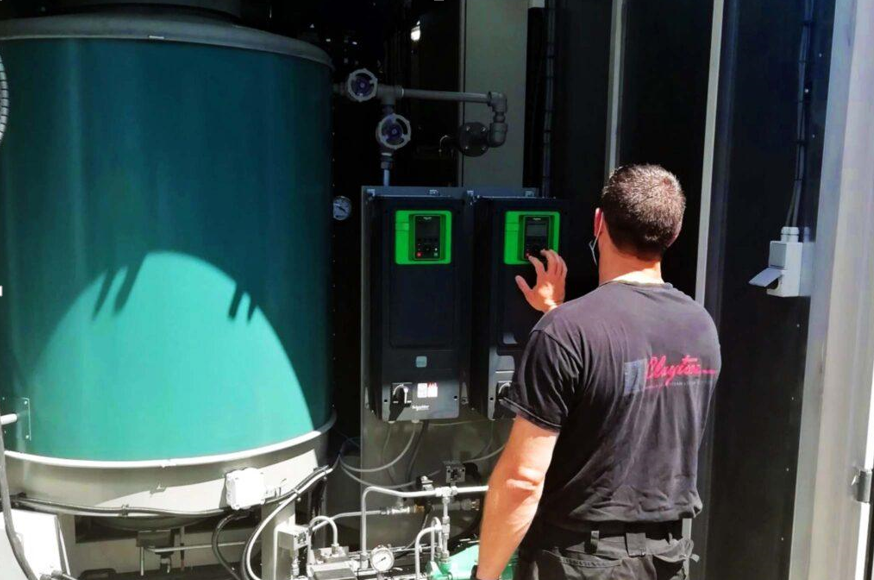
The Role of Pressure and Design in Temperature
The highest temperature that a boiler can reach depends on how it is made and the pressure it runs at. Low-pressure boilers are found in heating systems most of the time. They work at just a few psi, so they make steam that is not that hot. High-pressure boilers are built to take much higher pressure. They can handle thousands of psi.
See also: Life in a Sober Living Home: A Day in the Life of a Resident
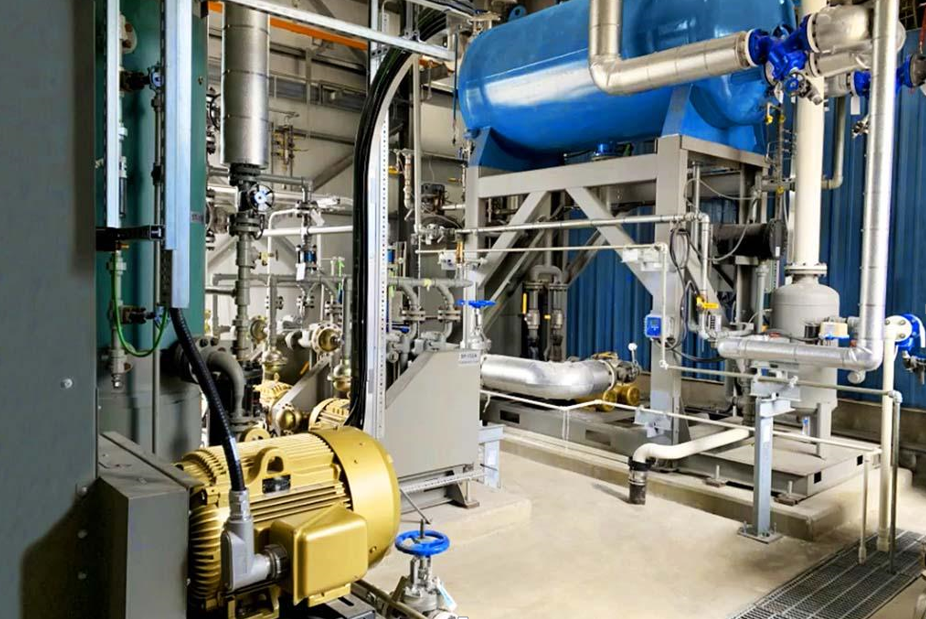
- Firetube Boilers: In these designs, hot gases from a furnace move through tubes that are in water. They are most often used for lower-pressure jobs. Firetube boilers make steam that is not dry.
- Watertube Boilers: These boilers have water inside tubes, with hot gases around them. This design lets them hold much higher pressure and heat. It is good for people who need very hot steam, like in a big factory.
Being able to manage steam temperature and pressure is a key skill for industrial boiler companies. These companies make systems for many uses, like making things in factories, processing chemicals, and in thermal power plants. At these power plants, very hot steam turns turbines and makes electricity. Picking the right type of boiler, the best materials, and the right way to run things is not simple. This choice affects how well the system works, how safe it is, and how hot the steam gets in the end.