Forensic evidence can shape a criminal defense case before trial begins. Investigators may rely on DNA, fingerprints, digital records, toxicology results, or surveillance footage to connect a person to an alleged offense. But every item requires careful testing, documentation, and interpretation. A defense attorney examines how evidence was collected, preserved, and analyzed before assessing its effect on the case. The process begins with questions about the evidence itself.
Why Forensic Evidence Matters
Public concern about violent crime often increases pressure on law enforcement and prosecutors to build convincing cases. Crime rate reporting shows why local criminal allegations can attract intense attention. People facing charges in LA and nearby regions may need to understand California’s strict evidentiary standards. They need a defense focused on admissible facts, so hiring a reputable Los Angeles law firm may prove wise. Attorneys can examine whether forensic evidence supports the accusation.
Forensic evidence can support the prosecution’s theory, weaken it, or leave important questions unresolved. A DNA match does not automatically prove when contact occurred or why it happened. A fingerprint can show contact with an object without proving that the person committed the alleged crime.




The Collection Process Can Affect Admissibility
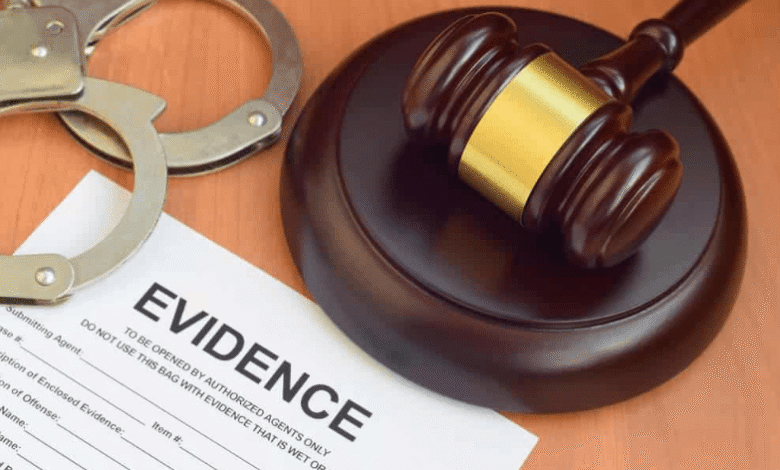
Investigators must document where evidence came from and who handled it. This record, called the chain of custody, tracks each transfer from collection through laboratory testing and courtroom presentation. Gaps in that record can create disputes about contamination, substitution, or improper storage.
- Example: Biological materials stored at an incorrect temperature can degrade.
A defense attorney can use collection reports, property logs, photographs, and laboratory records to identify weaknesses.
Search procedures also matter. If officers obtain evidence through an unlawful search, the defense can ask the court to exclude it. The result depends on the facts, the warrant, and the applicable constitutional rules.
Laboratory Testing Requires Careful Review
A laboratory result depends on the sample, testing method, equipment, and analyst. The defense can review whether the laboratory followed accepted procedures and whether the analyst documented each step.
DNA evidence illustrates this issue. A mixed sample can contain genetic material from several people, making interpretation more difficult. A partial profile can also produce limited information. The significance of a result depends on the sample quality and the comparison process.
Laboratories must also prevent contamination. Analysts should use controls, protective equipment, and separate work areas where appropriate. A failure in these safeguards can support a challenge to the result or affect how much weight a jury gives it.
Digital Evidence Raises Separate Questions
Phones, computers, vehicle systems, and online accounts can contain location data, messages, photographs, and activity logs. Prosecutors may use this information to place a person near an alleged crime or connect that person to another participant.
Digital records require authentication. The prosecution must show that the records are genuine and accurately reflect the underlying activity. Timestamps can also require review because devices and applications may use different settings.
A defense attorney can examine:
- How investigators obtained the data
- Whether the search exceeded its authorization
- Whether someone could have accessed or altered the account
Deleted material, incomplete downloads, or missing metadata can affect the reliability of the final presentation.
See also: The Impact of Condominium Law on Property Partition
Expert Testimony Can Shape the Jury’s View
Forensic evidence often reaches the jury through an expert witness. Such witnesses explain the testing method, the result, and the limits of the conclusion.
The defense can question the expert’s qualifications, methods, assumptions, and statistical analysis. A witness who presents a result with more certainty than the testing supports can face serious cross-examination.
A defense expert can also review the underlying records and identify alternative explanations. The purpose is not to dispute every scientific result. It is to show precisely what the evidence proves and what it does not prove.
How Defense Attorneys Use Forensic Problems
A forensic weakness can affect several stages of a criminal case. Before trial, it can support a motion to suppress evidence, a request for additional testing, or a challenge to the prosecution’s theory.
During plea discussions, reliable forensic evidence can influence the parties’ assessment of the case. Weak or disputed evidence can change that assessment. At trial, the defense can use inconsistencies in collection records, laboratory procedures, or expert testimony to create reasonable doubt.
Timing also matters. Defense counsel should preserve relevant materials before evidence is lost, overwritten, or destroyed. Early review allows counsel to request laboratory notes, obtain independent testing, and identify witnesses who handled the evidence.
Conclusion
Forensic evidence affects a criminal defense case through its collection, custody, testing, interpretation, and presentation. For instance, a laboratory result gains meaning from the procedures behind it, not from a label alone. Anyone facing criminal charges should avoid discussing the evidence publicly and provide defense counsel with every available document, message, photograph, and timeline. An early case review can identify preservation issues, support targeted testing, and determine whether a court should exclude unreliable evidence.