Large Format Terrazzo Tile: Structural Engineering Guide for High-End Residential Architects

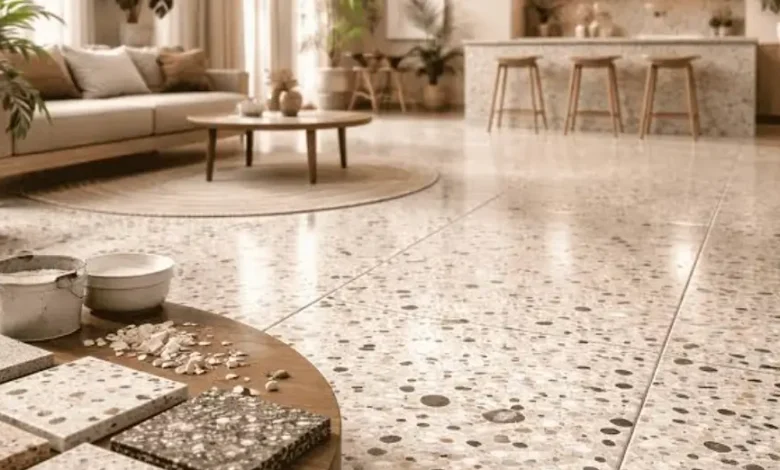
Designing a luxury residence with expansive, uninterrupted terrazzo flooring sets a high bar for both visual ambition and technical performance. Picture a client requesting seamless, Large Format Terrazzo Tile across a grand living area—an elegant solution that demands careful structural engineering. The challenge lies in balancing aesthetic goals with the physical realities of heavy panels, variable subfloors, and the unique stresses large tiles impose. High-end residential architects must account for precise material specifications, load calculations, joint planning, and fastening methods to deliver a flawless result that stands the test of time.
Architectural Specifications and Material Composition of Large Format Terrazzo
The composition of Large Format Terrazzo Tile directly impacts its suitability for high-end residential spaces. Unlike standard-sized tiles, these oversized slabs—often exceeding 24 inches on a side—combine marble, quartz, or glass chips bound in a cement or epoxy matrix. Specifying the right aggregate-to-binder ratio minimizes internal stresses and reduces the risk of warping or curling, which is critical when tiles are exposed to wide temperature variations or direct sunlight through floor-to-ceiling windows. Selecting a tile thickness between 16mm and 20mm supports both stability and installation flexibility for high-traffic living areas.
Some architects favor a honed finish for large format terrazzo, which reduces slip risk while maintaining a luxurious surface. Understanding material composition and performance standards helps ensure longevity and easy maintenance. Architects should specify only tiles that meet or exceed ASTM C1028 slip resistance and C627 load rating criteria for residential use.




Substrate Preparation and Structural Load Calculations for High-End Floors
Before installing large format terrazzo, verifying the underlying floor structure’s capacity is non-negotiable. A single slab can weigh several pounds per square foot, making accurate dead load calculations for joists and subfloor assemblies essential. For example, high-end residences with radiant heating systems require cementitious backer boards rated for both thermal cycling and increased static loads.
Proper substrate flatness is critical to avoid lippage—uneven tile edges that disrupt both appearance and safety. Structural engineering for Large Format Terrazzo Tile recommends a maximum deviation of 1/8 inch over 10 feet. Architects should consult Large Format Terrazzo Tile product technical sheets for exact substrate requirements. This material often demands a double-layer plywood or poured concrete base, reinforced to control deflection and minimize movement that could compromise the tile installation.
Thermal Movement Joints and Crack Isolation in Luxury Residential Spaces
Managing thermal movement is particularly important in large, sunlit rooms or spaces that connect indoor and outdoor living zones. Expansion joints—flexible, engineered gaps between tile sections—allow the floor to expand and contract with temperature shifts. For a seamless look, joint placement should align with building control joints and be integrated into the design layout, especially in open-plan great rooms or galleries.
Crack isolation membranes, installed beneath the tile, prevent minor substrate cracks from telegraphing through to the terrazzo surface. High-end residential architects should specify elastomeric membranes at all locations where movement or settling is anticipated. Reviewing crack isolation best practices ensures compatibility with underfloor heating systems and heavy furniture loads.
Advanced Mechanical Fastening Systems and Adhesive Selection Criteria
Securing large format terrazzo panels requires adhesives and mechanical systems designed to accommodate both size and weight. Epoxy-based thin-set mortars provide high bond strength for cementitious terrazzo, while specialty urethane adhesives work well over substrates subject to movement or moisture. For extra assurance, mechanical clips or anchors can be specified at the perimeter or in high-traffic transition zones, such as entryways or beneath movable partition walls.
Adhesive manufacturers often specify open times, cure rates, and trowel patterns based on tile size and ambient conditions. Architects should select products with proven compatibility to the terrazzo matrix and subfloor material, confirming recommendations through mockup installations before committing to a full floor. This approach minimizes callbacks and maintains the integrity of the finished surface.
Conclusion
For high-end residential projects, the decision to use large format terrazzo should start with a review of product technical data and a conversation with a structural engineer. Confirm substrate type, load capacity, and joint planning early in the design phase to ensure both beauty and lasting performance from every terrazzo surface.