Rock bolts have been used in mining, tunneling, and slope stabilization for a long time, and traditional systems have generally worked well for stable ground conditions. But not every site offers stable, predictable ground, and that is where self drilling anchor rock bolts, often referred to as SDA rock bolts, offer a genuinely different approach that solves some real practical problems traditional systems struggle with.
The Core Difference in How They Get Installed
Traditional rock bolts typically require a hole to be drilled first, using separate drilling equipment, before the bolt itself is inserted and secured. In stable rock, this two step process works reliably. In loose, fractured, or otherwise unstable ground, though, a pre drilled hole can collapse or become unstable before the bolt can actually be inserted, creating real installation difficulties and sometimes requiring repeated drilling attempts.
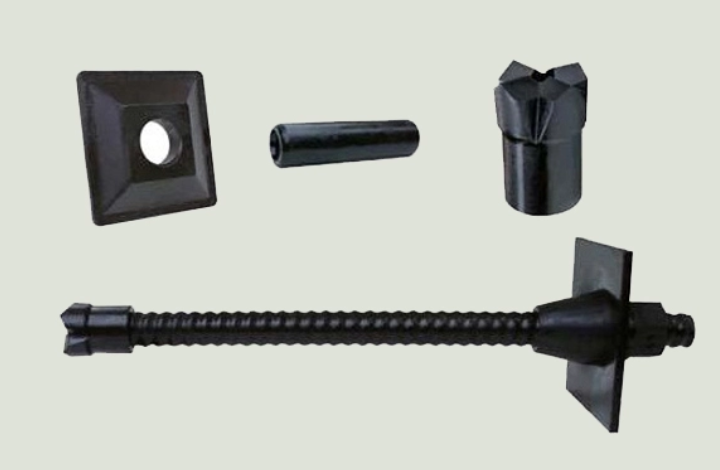
SDA rock bolts combine the drilling and anchoring function into a single continuous process. The bolt itself acts as the drill, and once drilling reaches the required depth, grout can be injected through the hollow core of the bolt to secure it in place. This eliminates the vulnerable gap between drilling and anchoring that traditional systems have to deal with in unstable ground.




Why This Matters in Difficult Ground Conditions
In fractured rock, loose soil, or ground with significant water infiltration, the stability of a drilled hole cannot always be relied upon between the drilling and anchoring steps. SDA rock bolts address this directly by removing that gap entirely, which reduces both installation risk and the likelihood of needing to redo work due to hole collapse. This is one of the clearest practical advantages of this technology, and a big part of why it has become common in mining and tunneling applications specifically involving challenging ground.
Installation Speed and Efficiency
Beyond handling difficult ground conditions well, the combined drilling and anchoring process tends to reduce overall installation time compared to traditional two step methods. For large scale projects involving many individual anchor points, this efficiency gain can add up to meaningful time and cost savings across the full scope of the work, not just at any single installation point.
Load Bearing Performance Depends on Proper Specification
While the installation method differs significantly from traditional rock bolts, the actual load bearing performance of an sda rock bolt still depends heavily on choosing the right diameter, thread design, and grout specification for the specific ground conditions and load requirements of a project. This is not a technology where one standard specification fits every situation, and proper engineering assessment remains just as important as it would be for any other anchoring method.
When Traditional Rock Bolts Might Still Be the Better Choice
In stable, predictable rock conditions where a pre drilled hole is unlikely to present any real risk of collapse, traditional rock bolt systems can still be a perfectly reasonable and sometimes more cost effective choice. The decision between traditional and self drilling systems really comes down to ground conditions and project specific factors, rather than one approach being universally superior to the other in every situation.
See also: How Corporate Chauffeur Services Improve Business Productivity
Making the Right Choice for a Given Site
Understanding the genuine differences between traditional rock bolts and SDA systems helps project teams make a more informed choice based on actual ground conditions rather than defaulting to whichever method happens to be more familiar or commonly used in a given region. Proper geotechnical assessment before choosing an anchoring method remains the foundation of a successful installation, regardless of which specific technology ends up being the right fit.
Neither approach is inherently better in every case. What matters is matching the method to the actual conditions on site, and that judgment call is really where experienced engineering input makes the biggest difference in how well the final installation performs over time.