Walk into any successful retail store and you’ll notice that products are easy to find, aisles feel organised, and displays encourage customers to explore. While product selection and customer service are important, the shelving system itself often has a significant influence on how shoppers move through a store and interact with merchandise.
Well-planned shelving supports everything from inventory management to customer experience. Choosing the right retail display shelving can help retailers create organised, visually appealing spaces that encourage browsing while making day-to-day operations more efficient. Whether you’re fitting out a new store or upgrading an existing one, following a few proven best practices can help maximise overall store performance.
Start with the Right Shelving System
Every retail business has different merchandising requirements. A convenience store selling hundreds of fast-moving products has very different needs from a boutique retailer displaying premium merchandise.




When selecting shelving, consider:
- Product size and weight
- Expected inventory turnover
- Available floor space
- Future expansion plans
- Ease of adjustment
Modular shelving systems offer greater flexibility, allowing retailers to reconfigure layouts as product ranges evolve or seasonal promotions change.
Design Around Customer Movement
Effective retail layouts guide customers naturally throughout the store without creating congestion. Wide, unobstructed aisles encourage shoppers to browse comfortably, while strategically positioned shelving helps direct attention towards featured products and promotional displays.
Retailers should also ensure that shelving heights maintain clear sightlines across the store. This creates a more open environment and helps customers locate departments more easily.
Prioritise Product Visibility
A product cannot sell if customers struggle to notice it.
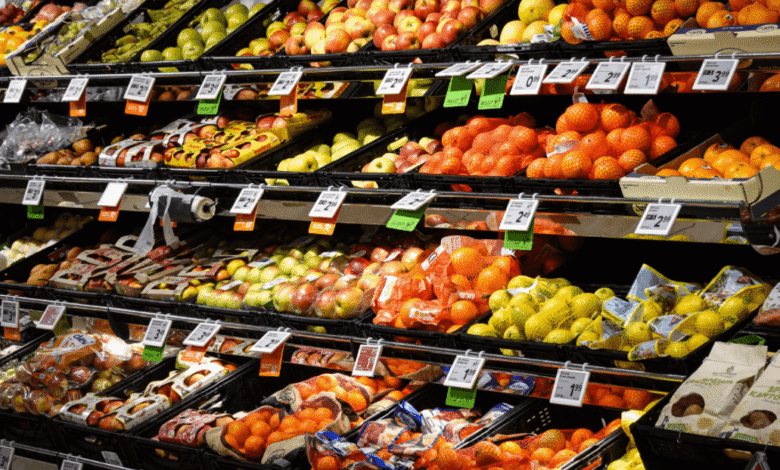
Successful merchandising begins with thoughtful shelf placement. High-demand or high-margin products are often positioned at eye level, while complementary products are grouped together to encourage additional purchases.
Retailers should also pay attention to:
- Consistent product facings
- Clear category organisation
- Adequate spacing between products
- Appropriate shelf depth
- Effective lighting around displays
These small improvements make products easier to locate while creating a cleaner and more professional appearance.
Maximise Space Without Creating Clutter
Increasing product capacity should never come at the expense of the shopping experience.
Overcrowded shelves can overwhelm customers, making stores appear untidy and reducing the visibility of individual products. Instead, retailers should focus on balancing stock availability with presentation.
Vertical merchandising, end-of-aisle displays and carefully planned promotional zones can all increase selling space without compromising accessibility.
Choose Shelving That Adapts to Your Business
Retail businesses constantly evolve. Product ranges expand, seasonal promotions change, and customer preferences shift throughout the year.
Adjustable shelving allows retailers to modify shelf heights, add accessories and reorganise layouts without replacing their entire shelving system. This flexibility helps reduce long-term costs while supporting future growth.
Invest in Commercial-Grade Quality
Shelving is a long-term investment rather than a short-term expense.
Commercial-grade shelving is designed to withstand daily use, frequent restocking and heavier product loads. Durable systems also require less maintenance and reduce the likelihood of damaged components affecting store presentation.
Although lower-cost alternatives may appear attractive initially, higher-quality shelving often delivers better value over its lifespan.
See also: Why Hong Kong Company Formation Continues Supporting Modern Business Expansion
Avoid Common Retail Shelving Mistakes
Even well-stocked stores can lose sales if shelving is poorly planned.
Some of the most common mistakes include:
- Blocking customer sightlines with excessively tall shelving
- Creating narrow or congested aisles
- Mixing unrelated product categories
- Inconsistent shelf spacing
- Overfilling shelves with inventory
- Ignoring future merchandising flexibility
Regularly reviewing store layouts allows retailers to identify opportunities for improvement as customer behaviour and product ranges evolve.
Expert Insight
According to Neil Webster, CEO of Mills Shelving, retailers often achieve the best long-term results by viewing shelving as part of their overall customer experience rather than simply a storage solution. Carefully planned layouts improve product visibility, simplify restocking and provide greater flexibility as merchandising requirements change over time. Investing in durable, adaptable shelving from the outset can reduce operational challenges while supporting future business growth.
Experience Matters
Based on experience working with Australian retailers across supermarkets, convenience stores, specialty stores and large-format retail environments, shelving layouts that prioritise customer movement, product accessibility and operational efficiency consistently deliver stronger long-term outcomes. Retailers who plan their shelving strategically are generally better positioned to adapt to changing inventory, seasonal merchandising and evolving customer expectations.
Mills Shelving recommends planning shelving layouts alongside overall store design rather than treating shelving as the final stage of a fit-out. This integrated approach helps create a more functional retail environment that supports both staff efficiency and customer experience.
Industry Perspective
The Australian Retailers Association (ARA) has consistently highlighted the importance of creating positive in-store customer experiences as retailers respond to changing consumer expectations. While technology continues to influence shopping behaviour, physical store environments remain an important factor in helping customers discover products, navigate stores comfortably and make purchasing decisions.
Conclusion
Retail shelving influences far more than product storage. It affects customer flow, merchandising effectiveness, operational efficiency and the overall shopping experience.
By selecting adaptable shelving, designing intuitive store layouts and prioritising product visibility, retailers can create environments that better serve both customers and staff. Thoughtful planning today can provide lasting benefits as businesses grow, product ranges evolve and retail trends continue to change.