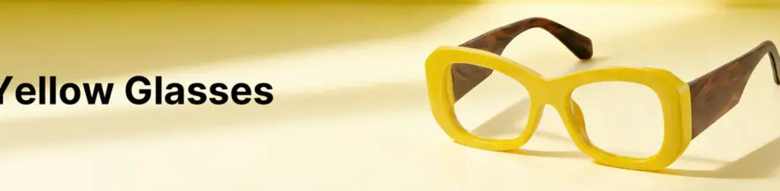
Yellow glasses have emerged as one of the most eye-catching trends in contemporary eyewear, moving far beyond novelty status to become a genuine style staple. For creative professionals—graphic designers spending hours perfecting visual compositions, artists seeking inspiration in every detail, and teachers commanding attention in dynamic classrooms—eyewear must do more than correct vision. It needs to reflect personality while delivering genuine comfort and protection throughout demanding workdays. Yellow glasses sit at this intersection beautifully, combining bold aesthetic appeal with practical functionality that supports long hours of focused work. The color itself carries associations with optimism, warmth, and intellectual energy, making it a natural fit for those who thrive on creative thinking. Whether you’re drawn to vibrant mustard frames or subtle honey-tinted lenses, yellow glasses offer a way to channel positive energy into your daily routine while caring for your eyes. In the sections ahead, we’ll explore why this accessory resonates so strongly with creative minds, how to find a pair that protects and fits perfectly, and practical ways to integrate yellow glasses into your professional wardrobe.
Why Yellow Glasses Are the Ideal Fashion Accessory for Creative Professionals
In a world where personal branding matters as much as portfolio quality, the accessories you choose communicate volumes before you ever speak. Yellow glasses transcend ordinary eyewear by functioning as a deliberate style declaration—a signal that the wearer values boldness, originality, and intentional self-presentation. For creative professionals who build careers on visual thinking and innovative problem-solving, this kind of nonverbal communication isn’t superficial; it’s strategic.
The color yellow occupies a unique psychological space. It’s the shade most closely linked to intellectual stimulation, positive energy, and forward momentum. Unlike neutral frames that fade into the background, yellow glasses announce presence and purpose. They tell clients, colleagues, and students that you approach your work with enthusiasm and aren’t afraid to challenge conventions. This makes them particularly resonant in creative fields where fresh perspectives drive success.




Symbolizing Positivity and Boosting Creative Energy
Color psychology research consistently identifies yellow as a catalyst for mental activity. It activates the logical centers of the brain while simultaneously lifting emotional states—a rare combination that directly supports creative work. When a graphic designer reaches for yellow-framed glasses before a brainstorming session, they’re not just accessorizing; they’re priming their mindset. The warm hue serves as a constant peripheral reminder of optimism, subtly counteracting the mental fatigue that accumulates during intensive projects. In classroom settings, teachers wearing yellow glasses often report that the color creates an approachable, energetic atmosphere that encourages student participation. The frames become part of the creative environment itself, contributing to a workspace culture that values imagination and positive engagement over rigid formality.
Standing Out with Unique Style Expression
Creative professionals face a particular challenge: their appearance needs to communicate competence while simultaneously demonstrating the originality that defines their work. Yellow glasses solve this tension elegantly. A deep amber acetate frame conveys sophistication in client meetings, while a bright canary geometric shape signals artistic daring in gallery openings or design studios. The spectrum within yellow itself—from muted gold to electric citrine—offers enough range to match any creative identity. Freelance artists might gravitate toward oversized translucent yellow frames that complement eclectic wardrobes, while art directors in corporate environments can opt for sleek tortoiseshell frames with golden undertones that read as polished yet distinctive. This versatility means yellow glasses adapt to your specific professional context rather than demanding you adapt to them, making them one of the most flexible fashion accessories available to those who refuse to blend in.
Ensuring Eye Protection and Comfort with Yellow Glasses
Style means little if your glasses leave you with headaches, dry eyes, or fatigue by midafternoon. For creative professionals who spend extended periods engaged in visually demanding tasks—whether staring at high-resolution screens, examining fine brushwork, or scanning a classroom of thirty students—eye protection and physical comfort aren’t optional features. They’re essential requirements that determine whether your yellow glasses become a beloved daily companion or an accessory relegated to occasional use. The good news is that modern eyewear technology has advanced dramatically, meaning you no longer need to sacrifice function for fashion. Today’s yellow glasses can incorporate sophisticated lens treatments and ergonomic engineering that actively support eye health while maintaining their distinctive aesthetic appeal.
Advanced Lens Features for Optimal Eye Health
The lens is where science meets style in meaningful ways. Blue light filtering technology has become particularly relevant for graphic designers and digital artists who log eight or more hours daily in front of LED screens. These specialized coatings block the high-energy visible light wavelengths that contribute to digital eye strain, disrupted sleep cycles, and long-term retinal stress—all without altering the warm aesthetic of yellow-tinted frames. UV protection remains equally critical, especially for artists who work outdoors or near large studio windows. Look for lenses offering full UV400 coverage, which blocks both UVA and UVB radiation completely. Anti-glare coatings add another layer of protection by eliminating reflections that force your eyes to constantly readjust focus, a common source of fatigue during detailed color work or extended reading. For professionals who move between environments frequently, photochromic lenses that darken automatically in bright conditions and clear indoors offer seamless adaptability. Polarized options serve teachers and artists who work near reflective surfaces, cutting harsh glare while preserving accurate color perception essential for creative accuracy.
Design Considerations for Maximum Comfort
Frame engineering determines whether glasses feel invisible after eight hours or become an irritation you can’t wait to remove. Lightweight materials make the most significant difference—titanium frames offer remarkable durability at minimal weight, while high-quality acetate provides that substantial, fashionable look without excessive heaviness on the nose bridge. Adjustable silicone nose pads distribute weight evenly and accommodate different bridge widths, preventing the red indentations and slipping that plague poorly fitted frames. Spring hinges allow temples to flex slightly outward, reducing pressure points behind the ears that cause afternoon headaches. When selecting your pair, consider your face shape carefully: wider frames balance narrow faces, while angular designs complement rounder features. The frame shouldn’t press against your temples or slide when you look downward—common issues for teachers who frequently shift their gaze between materials and students. Hypoallergenic materials matter too, particularly for those with sensitive skin who wear glasses continuously. Properly fitted yellow glasses should feel so comfortable that you forget you’re wearing them, leaving your attention fully available for creative work.
Practical Solutions: How to Choose and Style Your Yellow Glasses
Knowing that yellow glasses can elevate your creative identity and protect your eyes is one thing—actually finding and wearing the right pair requires a more deliberate approach. The eyewear market offers an overwhelming array of options, and creative professionals need a focused strategy that accounts for their specific work demands, facial features, and styling goals. What follows is a practical framework for navigating this process efficiently, ensuring your investment delivers both the aesthetic impact and daily functionality you need.
Step-by-Step Guide to Selecting the Perfect Pair
Begin by honestly assessing your face shape in a mirror without any glasses on. Oval faces accommodate nearly any frame shape, while square jawlines benefit from rounded yellow frames that soften angular features. Heart-shaped faces look balanced with bottom-heavy or aviator-style frames, and round faces gain definition from rectangular or geometric yellow designs. Your skin tone matters equally—warm undertones (golden, olive, or peachy skin) harmonize with rich amber and mustard frames, while cool undertones pair beautifully with lemon yellow or pale gold options.
Next, evaluate your work environment to determine lens priorities. If you spend most of your day at a computer designing layouts or editing images, blue light filtering should top your list. Teachers who move between indoor fluorescent lighting and outdoor supervision benefit from photochromic lenses that adapt automatically. Studio artists working under controlled lighting may prioritize anti-glare coatings and accurate color transmission above all else. If you require vision correction, confirm that your chosen frame accommodates your prescription strength—higher prescriptions often need smaller lens dimensions to avoid distortion at the edges.
Once you’ve established your shape and lens requirements, explore brands across multiple price points. Retailers like EFE Glasses offer a range of yellow frame styles that combine fashion-forward design with functional lens options, making it easier to find a pair suited to your specific creative workflow. Visit optical shops where you can physically try frames, checking that the temples don’t press behind your ears and the nose bridge sits without sliding. Spend at least five minutes wearing each candidate pair to simulate how they’ll feel during extended work sessions. Pay attention to peripheral vision—frames shouldn’t obstruct your sightlines when glancing sideways at reference materials or students.
Styling Tips for Different Creative Professions
Graphic designers thrive in environments that value clean visual thinking, so pairing yellow glasses with minimalist wardrobes creates a striking focal point. A structured navy blazer, simple white tee, and slim yellow acetate frames project modern sophistication while letting the glasses serve as your signature element. Keep other accessories understated—a simple watch, no competing colors—so the frames command attention during client presentations and collaborative reviews.
Artists working in studios or gallery settings enjoy more expressive freedom. Layer your yellow glasses into eclectic combinations: patterned scarves, textured fabrics, and complementary colors like deep purple or teal that make the yellow pop without clashing. Oversized translucent frames work particularly well here, suggesting creative confidence and an unapologetic relationship with color. Consider owning two pairs in different yellow intensities—a bold citrine for exhibition openings and a softer honey tone for everyday studio work.
Teachers benefit from frames that read as approachable yet professional. Medium-sized yellow frames in warm tortoiseshell blends or matte finishes pair naturally with earth-toned cardigans, structured dresses, or smart casual combinations. The goal is looking intentional without appearing distracting—your glasses should invite student connection rather than dominate the visual field. Incorporating yellow glasses into your daily routine builds recognition; over time, they become part of your personal brand as an educator, signaling consistency and warmth that students associate with your teaching presence. Rotate between two complementary pairs to maintain visual interest while keeping yellow as your defining fashion accessory throughout the academic year.
See also: Securing Your Future: Understanding Life Insurance in Australia
The Impact of Yellow Glasses on Creativity and Daily Productivity
When style and comfort align in a single accessory, the ripple effects extend far beyond appearance. Yellow glasses function as both a creative catalyst and a productivity tool, quietly influencing how professionals approach their most demanding work. The combination of reduced eye strain, enhanced mood, and a strengthened sense of personal identity creates conditions where focus deepens and creative output flourishes naturally throughout the day.
Enhancing Workflow with Positive Visual Cues
The human brain responds continuously to environmental stimuli, and the warm glow of yellow frames sitting at the edge of your peripheral vision acts as a subtle but persistent cue toward positive thinking. During lengthy design sprints or grading marathons, mental fatigue typically triggers a narrowing of perspective—ideas become repetitive, solutions feel forced. Yellow’s association with openness and energy works against this contraction, gently nudging the mind back toward expansive thinking. Professionals who wear their yellow glasses consistently often notice that transitions between tasks feel smoother, as though the frames serve as an anchor to their most engaged, optimistic working state. This isn’t magic; it’s the compounding effect of intentional environmental design applied to something you wear every day.
Real-World Applications and Success Stories
Consider a freelance graphic designer working against tight deadlines who adopted amber-framed blue light glasses for marathon screen sessions. Beyond reducing the headaches that previously cut workdays short, the distinctive frames became a ritual trigger—putting them on signaled the start of focused creative time, creating a psychological boundary between casual browsing and professional production. Similarly, a high school art teacher found that switching to warm yellow frames shifted classroom dynamics noticeably. Students commented on the glasses frequently, which opened casual conversations and built rapport that translated into greater participation during critiques. The frames became a recognizable part of her teaching identity, something students associated with encouragement and creative permission. These scenarios illustrate how yellow glasses operate on multiple levels simultaneously—protecting eyes, reinforcing personal brand, and actively contributing to the positive energy that sustains creative careers over the long term.
Embrace Yellow Glasses as Your Creative Identity Investment
Yellow glasses represent a rare convergence of meaningful style expression and genuine everyday functionality—a combination that creative professionals deserve but too often struggle to find. Throughout this guide, we’ve seen how the color yellow operates on psychological, aesthetic, and practical levels simultaneously: boosting creative energy through positive visual association, communicating originality and confidence in professional settings, and serving as a foundation for advanced lens technologies that protect eyes during demanding work. The key takeaway is that choosing yellow glasses isn’t merely a fashion decision—it’s an investment in your creative identity and long-term eye health. By selecting frames that complement your face shape, incorporating lens features matched to your specific work environment, and styling them intentionally within your professional wardrobe, you transform a simple accessory into a powerful daily tool. Let your yellow glasses become the consistent thread that ties together your personal brand, your positive energy, and your commitment to doing creative work sustainably. Start with one well-chosen pair, wear them with intention, and notice how this small change ripples outward into sharper focus, stronger confidence, and a renewed sense of creative purpose.