Every morning, millions of city dwellers sit trapped in gridlock, watching minutes tick away while fuel costs climb and frustration mounts. Public transit offers an escape, but crowded platforms and rigid schedules introduce their own headaches. The modern urban commute has become a daily negotiation between time, money, and sanity — and traditional solutions are struggling to keep pace.
Enter the folding ebike: a compact, battery-assisted bicycle that collapses small enough to slide under a desk or stow in a trunk. These ingenious machines are quietly transforming how city residents move, blending the freedom of cycling with electric assistance and the practicality of portability. But are they truly the key to efficient urban travel, or just another gadget competing for your attention?
This article digs into that question head-on. We’ll explore what folding ebikes actually are and how they differ from conventional electric bikes, examine why growing numbers of urban commuters are making the switch, and walk through a practical framework for choosing the right model. We’ll also cover how to take advantage of seasonal discounts and offer real-world guidance for using one safely and effectively in the city every day.




Understanding Folding Ebikes: The Modern Urban Solution
A folding ebike is exactly what it sounds like — an electric bicycle engineered to collapse into a compact form that fits where full-size bikes simply cannot. Unlike traditional e-bikes or electric bikes, which share the same fixed-frame limitations as conventional bicycles, folding models incorporate hinged joints at the frame, stem, and sometimes the pedals, allowing the entire structure to shrink to roughly the size of a large suitcase. That distinction matters enormously in cities where apartment storage is measured in square feet and office space is shared.
The portability advantage extends beyond storage. Because a folded ebike can ride an elevator, slide under a café table, or fit in the trunk of a rideshare, it bridges the notorious “last mile” gap that defeats so many urban commuters. Traditional e-bikes and electric bikes deliver excellent assisted riding but demand dedicated parking — a luxury most dense cities don’t offer. Folding models sidestep that problem entirely.
What Makes an E-Bike Different from Conventional Bikes?
The defining feature of any e-bike is its motor-and-battery system, which provides pedal assistance that flattens hills and extends comfortable riding range well beyond what unassisted cycling allows. A typical urban folding e-bike offers a battery range of 20 to 50 miles per charge, enough to cover most daily commutes without breaking a sweat — literally. Beyond convenience, electric bikes produce zero direct emissions, making them a genuinely cleaner alternative to car trips for short to medium urban distances.
The Folding Mechanism: Design and Durability
Most folding ebikes use a mid-frame hinge secured by a latch or clamp, with a separate fold point at the handlebar stem. Quality models are built from aluminum alloy or lightweight steel, striking a balance between rigidity during riding and manageable carry weight. The best mechanisms snap into place with a single motion and lock firmly enough that there’s no flex or rattle while riding. Durability hinges on the quality of those locking joints — well-engineered latches can withstand years of daily folding without loosening, making them genuinely practical for the grind of everyday commuting.
Why Urban Commuters Are Switching to Folding Electric Bikes
The math is hard to argue with. A folding electric bike costs a fraction of car ownership when you factor in insurance, fuel, parking, and maintenance — and it outpaces public transit on flexibility without the monthly pass fees. For urban commuters making daily trips under 15 miles, the financial case alone is compelling. But the appeal runs deeper than dollars.
Time is the real currency of city life, and folding ebikes spend it wisely. While cars sit locked in gridlock and buses wait at red lights, a rider on a folding ebike can thread through traffic, cut across dedicated bike lanes, and arrive at the destination without the ten-minute parking hunt that bookends every car trip. Studies of urban cycling consistently show that bikes outperform cars on door-to-door travel times for trips under five miles — and electric assistance extends that competitive window considerably further.
The multi-modal advantage is where folding models genuinely separate themselves from full-size electric bikes. A commuter can ride to the train station, fold the bike in under 30 seconds, carry it aboard without needing a designated bike car, then unfold and ride the final stretch to the office. No locking up on the street, no wondering whether the bike will still be there at the end of the day. That seamless integration with buses, trains, and rideshares eliminates the friction points that make cycling impractical for so many city residents.
There’s also a physical and mental health dimension worth acknowledging. The pedal-assist system lowers the barrier to regular exercise — riders get genuine cardiovascular benefit without arriving at work drenched in sweat. That balance between effort and ease makes folding ebikes accessible to a much wider range of commuters than traditional cycling, including those returning from injury or managing fitness gradually.
How to Choose the Best Folding Ebike for Your Needs
Choosing the right folding ebike isn’t about finding the most expensive model — it’s about matching the bike’s capabilities to your specific daily reality. A commuter riding flat city streets five miles each way has very different needs from someone tackling hilly terrain with a 15-mile round trip. Getting that match right means the bike becomes an indispensable tool rather than an underused purchase gathering dust in the hallway.
Assessing Your Urban Commute Requirements
Start by mapping your actual route and measuring the distance. If your daily mileage stays under 10 miles round-trip, a lighter, more compact model with a modest battery will serve you well and be easier to carry on transit. Longer commutes demand higher battery capacity and a more powerful motor. Consider your city’s infrastructure too — protected bike lanes allow for smaller wheels and lighter frames, while potholed roads or mixed terrain call for slightly larger wheels (20 inches rather than 16) and better suspension. If you regularly carry a laptop, groceries, or work gear, prioritize models with integrated rear racks or strong cargo capacity rather than retrofitting accessories later.
Key Features to Prioritize in a Folding Ebike
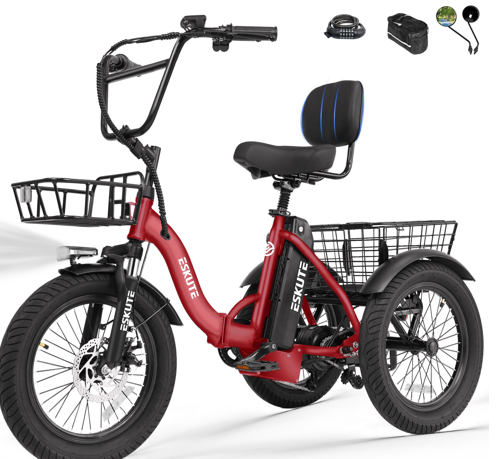
Motor power and placement matter more than most buyers realize. Hub motors (built into the wheel) are simpler and cheaper to maintain; mid-drive motors offer better weight distribution and hill-climbing efficiency. For typical urban commuting, a 250W to 500W motor handles most situations comfortably. Battery capacity, measured in watt-hours (Wh), directly determines range — aim for at least 360Wh for commutes over 10 miles. Beyond propulsion, prioritize hydraulic or quality mechanical disc brakes for reliable stopping in wet conditions, integrated front and rear lights for visibility, and a folded weight under 35 pounds if you’ll be carrying it regularly up stairs or onto transit. Brands like ESKUTE have built their folding ebike lineup around exactly these commuter-focused priorities, offering models that balance battery range, folded weight, and build quality within a practical price range.
Budget Considerations and Finding Seasonal Discounts
Quality folding ebikes span a wide price range, and the sweet spot for most urban commuters sits in the mid-range tier — enough to get reliable components without paying for premium features you won’t use. Before committing to a price, research multiple retailers and compare the same model across platforms, since pricing varies meaningfully between sellers. Timing your purchase around seasonal discounts can yield significant savings: major sales events like Black Friday, end-of-summer clearances, and post-holiday promotions routinely feature 15 to 30 percent reductions on electric bikes. Sign up for manufacturer newsletters and set price alerts on retail platforms to catch those windows without having to monitor constantly. Buying last year’s model during a clearance sale often delivers better value than the newest release at full price.
Maximizing Value with Seasonal Discounts on Electric Bikes
Even a mid-range folding ebike represents a meaningful investment, which makes timing your purchase strategically one of the smartest moves a prospective buyer can make. The electric bike market follows predictable seasonal rhythms, and riders who understand those cycles can capture genuine savings without compromising on quality.
The most reliable discount windows cluster around a handful of annual events. Black Friday and Cyber Monday consistently deliver the deepest cuts, often 20 to 30 percent off retail pricing across major online platforms. Spring sales — typically March through April — target commuters gearing up for warmer weather, making them another strong buying opportunity. End-of-summer clearances in August and September clear out current-year inventory ahead of new model releases, which is precisely when last year’s well-reviewed models hit their lowest prices. Post-holiday sales in January round out the calendar, as retailers move excess stock from the gift-buying season.
Where you shop matters as much as when. Manufacturer websites occasionally run direct promotions that bypass retailer markups entirely. Dedicated electric bike retailers, both online and local, sometimes offer loyalty discounts or bundle deals that include accessories like helmets or locks. Comparison shopping across platforms is essential — the same model can vary by hundreds of dollars between sellers. Setting up price-tracking alerts through browser extensions or retail apps removes the need to monitor manually, notifying you the moment a target model drops into your budget range. Combining a seasonal sale with an available rebate or tax incentive for electric vehicles can push the effective cost down further still.
See also: Why Bus Accidents Can Cause Serious Injuries
Practical Guide to Using Folding Ebikes in the City
Owning a folding ebike is one thing — integrating it smoothly into daily urban life is another. The good news is that with a few practiced habits and a basic maintenance routine, these bikes become second nature remarkably quickly. The transition from occasional novelty to indispensable daily tool usually happens within the first two weeks of consistent use.
Folding and Unfolding: Techniques for Speed and Safety
Speed comes from repetition, but the right sequence matters. Start by releasing the handlebar stem clamp, folding the stem down toward the frame, then engage the main mid-frame hinge and secure the latch. Finish by folding the pedals flat. Practice this sequence at home until it takes under 30 seconds — that’s the threshold where folding stops feeling like an interruption and starts feeling like a natural part of the commute. Always confirm the latch is fully engaged before riding; give the frame a firm shake to check for any flex before mounting.
Safety Tips for Navigating Urban Environments
Urban riding demands active attention rather than passive caution. Wear a properly fitted helmet on every ride without exception, and add a high-visibility vest or jacket for low-light conditions. Position yourself in the bike lane or toward the right side of traffic, but avoid riding in the door zone alongside parked cars — a suddenly opened car door is one of the most common urban cycling hazards. Use hand signals consistently and make eye contact with drivers at intersections before proceeding. For bike security, carry a quality U-lock even if you plan to keep the bike with you, since brief stops are inevitable. Front and rear lights should be active during any ride in reduced visibility, regardless of local requirements.
Maintenance and Storage Solutions for Longevity
Keeping a folding ebike in reliable condition doesn’t require mechanical expertise — just consistency. Wipe down the frame and hinge points weekly, and apply a dry lubricant to the chain every two to three weeks depending on riding frequency. Check tire pressure before each ride, since underinflated tires drain battery range and make handling sluggish. For battery longevity, avoid storing it fully depleted or at 100 percent charge for extended periods — the 20 to 80 percent range is ideal for long-term health. At home or the office, a wall-mounted hook or compact floor stand keeps the folded bike upright and out of foot traffic without consuming meaningful space.
Folding Ebikes as the Future of Urban Mobility
Folding ebikes have moved well beyond novelty status — they represent a genuinely practical answer to the daily friction of urban commuting. As this article has explored, these compact machines solve problems that traditional bikes, cars, and public transit each fail to address on their own: the last-mile gap, the parking headache, the physical barrier to regular cycling, and the financial drain of car ownership. By combining electric assistance with true portability, they fit into city life in ways that fixed-frame alternatives simply cannot.
The path to ownership is more accessible than many expect. Understanding which features matter for your specific commute, timing a purchase around seasonal discounts, and building a few consistent maintenance habits are all it takes to turn a folding ebike into a long-term asset rather than a short-lived experiment. The savings — in time, money, and daily stress — compound quickly once the bike becomes part of your regular routine.
Looking further ahead, cities are investing more heavily in cycling infrastructure, and electric micromobility is only growing in relevance as urban populations expand. Folding ebikes sit at the intersection of those trends, offering a sustainable, human-scaled mobility solution that adapts as cities evolve. Whether you’re a daily commuter weighing your options or simply curious about smarter ways to move through the city, the folding ebike deserves serious consideration as a cornerstone of modern urban travel.