Your iPhone screen is one of the most vulnerable parts of the device — one unexpected drop or a set of keys in your pocket can leave it scratched or shattered. It’s no surprise that tempered glass screen protectors have become one of the most popular accessories for iPhone users worldwide. But while most people focus on protection, a lingering question remains: does adding a layer of glass actually compromise the stunning display quality that makes iPhones worth the investment?
Many users worry about whether a screen protector will dull colors, reduce brightness, or make the touchscreen feel less responsive. These are legitimate concerns, especially given how much Apple invests in display technology with each new iPhone generation. The good news is that not all protectors are created equal, and understanding the trade-offs can help you make a smarter choice. This article breaks down exactly how tempered glass screen protectors interact with your iPhone’s display — covering clarity, brightness, and touch sensitivity — so you can protect your device without sacrificing the visual experience you paid for.
Understanding Tempered Glass Screen Protectors: Composition and Key Features
Tempered glass screen protectors are made from chemically or thermally treated glass that undergoes a rapid heating and cooling process, dramatically increasing its strength compared to standard glass. During manufacturing, the outer surfaces are compressed while the inner layers remain under tension — a structural balance that makes the material significantly harder to crack and, when it does break, causes it to shatter into small, blunt pieces rather than dangerous shards.


One of the most cited specifications for tempered glass protectors is the 9H hardness rating, which refers to the pencil hardness scale. At this rating, the surface resists scratches from most everyday materials, including keys, coins, and sand particles. This level of hardness is particularly relevant for iPhone users who carry their devices alongside other objects in bags or pockets. Beyond scratch resistance, quality tempered glass protectors also absorb and disperse the impact energy from drops, reducing the likelihood of damage reaching the actual iPhone screen beneath.
Compared to plastic or TPU (thermoplastic polyurethane) protectors, tempered glass offers a noticeably superior experience in several ways. Plastic protectors are prone to yellowing over time, develop micro-scratches quickly, and often feel less natural under the fingertip. Tempered glass, by contrast, maintains a smooth, glass-like surface that closely mimics the feel of the iPhone’s original display. Most premium options also include an oleophobic coating — the same type Apple applies to its screens — which repels fingerprints and smudges. Brands like TORRAS, for instance, engineer their tempered glass protectors with this coating alongside high optical transparency to ensure the screen experience stays as close to stock as possible. This combination of hardness, impact resistance, and surface quality makes tempered glass the most practical and durable choice for long-term iPhone screen protection.
How Tempered Glass Protectors Impact iPhone Display Quality
The most pressing concern for iPhone users considering a screen protector isn’t whether it will protect the device — it’s whether the display will still look and feel the same afterward. The honest answer depends heavily on the quality of the protector you choose. Budget options often introduce visible compromises, while premium tempered glass is engineered to be nearly invisible in daily use.
Effects on Clarity and Color Reproduction
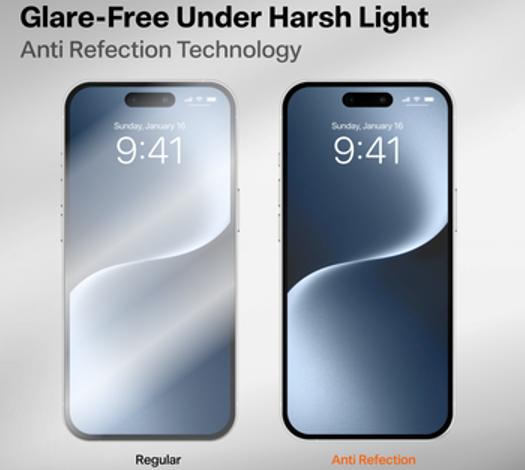
High-quality tempered glass protectors are manufactured with optical-grade clarity, meaning they transmit light with minimal distortion. Cheaper options, however, often use lower-purity glass that introduces a subtle haze, softening fine details and muting the vivid colors iPhone displays are known for. Thickness plays a direct role here — protectors around 0.2mm to 0.3mm tend to preserve sharpness far better than thicker alternatives. Some premium protectors also feature anti-reflective coatings that reduce surface glare without affecting color accuracy, keeping the iPhone’s True Tone and OLED vibrancy intact. If color reproduction matters to you, look for protectors explicitly rated for high optical transparency, typically 99% or above.
Screen Brightness and Visibility Considerations
Any additional layer placed over a display will absorb a small percentage of light, and tempered glass is no exception. In practice, a quality protector reduces brightness by roughly 1–3%, a difference most users won’t notice indoors. The real challenge emerges in direct sunlight, where even a minor reduction in light transmission can make the screen harder to read. Anti-glare protectors address this by scattering reflected ambient light, improving outdoor visibility without requiring you to push brightness to maximum. However, anti-glare coatings can slightly reduce perceived sharpness by introducing a matte texture, so weigh that trade-off based on how often you use your iPhone outdoors.
Touch sensitivity is another area where quality makes a significant difference. iPhone displays are designed to detect the lightest contact, and a well-made tempered glass protector maintains that responsiveness without any perceptible lag. Problems typically arise with thicker protectors or those with poor adhesive layers that create microscopic gaps between the protector and the screen, disrupting the capacitive touch signal. For Face ID and gesture-heavy navigation, a properly installed 0.2mm protector is virtually indistinguishable from bare glass in terms of responsiveness.
See also: Discover the Best Tech Guitars with Detachable Neck
Choosing the Right Tempered Glass Screen Protector for Your iPhone
With dozens of options flooding the market, picking the right tempered glass protector comes down to matching the product’s specifications to your specific iPhone model and how you actually use the device. A protector designed for an iPhone 14 won’t fit an iPhone 15 Pro Max properly — even a millimeter of misalignment can leave edges exposed or interfere with the case. Always verify compatibility by model name, not just screen size, since Apple frequently adjusts camera cutouts, speaker grilles, and curved edge dimensions between generations.
Thickness and coating choices should reflect your priorities. If display fidelity is paramount — for photo editing, video streaming, or gaming — opt for a 0.2mm protector with high optical transparency and no anti-glare coating. For frequent outdoor use, a matte anti-glare finish reduces squinting in sunlight, even if it slightly softens the image. Users who handle their phones with wet or greasy hands will benefit most from a strong oleophobic coating that keeps smudges from accumulating. Edge-to-edge coverage is worth prioritizing if you use a slim case, as partial protectors leave the screen’s corners — the most impact-prone area — completely unguarded.
Privacy screen protectors deserve mention as a specialized alternative. These use micro-louver technology to restrict the viewing angle to roughly 30 degrees on either side, making the screen unreadable to anyone not directly in front of it. They’re ideal for commuters or professionals handling sensitive information, though they noticeably reduce brightness and color saturation compared to standard tempered glass.
Step-by-Step Selection Guide
Start by confirming your exact iPhone model and checking whether the protector explicitly lists it as compatible. Next, define your primary use case — durability, outdoor visibility, privacy, or display quality — and let that determine which features to prioritize. Read verified user reviews specifically mentioning touch responsiveness and clarity after installation, since marketing claims rarely reflect real-world performance. Finally, look for protectors that carry certifications or independent lab ratings for optical clarity and impact resistance. Spending slightly more on a reputable brand almost always pays off in both display quality and longevity.
Tempered Glass vs. Other Screen Protectors: Privacy and Durability Comparisons
When stacked against plastic and TPU alternatives, tempered glass consistently comes out ahead on durability. Plastic protectors may cost less upfront, but they develop surface scratches within weeks of normal use, and once scratched, they actively degrade the viewing experience by scattering light across the damaged areas. TPU protectors offer better self-healing properties for minor abrasions, but their softer surface still can’t match the scratch resistance of 9H tempered glass over a year or more of daily use. For iPhone users who want long-term protection without frequent replacements, tempered glass is simply the more economical and reliable choice.
Privacy screen protectors occupy a niche but important category. By embedding micro-louver technology — essentially microscopic vertical blinds at the pixel level — they restrict the visible viewing angle to around 30 degrees from center, making the screen appear dark to anyone viewing from the side. This makes them genuinely useful for frequent travelers, healthcare workers, or anyone handling confidential data in public spaces. The trade-off, however, is significant: privacy protectors typically reduce brightness by 20–30% and visibly dull color saturation, making them a poor fit for users who prioritize display quality for media consumption or photography. They also tend to be thicker than standard tempered glass, which can marginally affect touch sensitivity. The decision ultimately comes down to your environment — if privacy is a daily concern, the display compromises are worth accepting; if not, standard tempered glass delivers superior visual performance and durability without unnecessary trade-offs.
Installation and Maintenance Tips for Optimal Performance
Even the best tempered glass protector will underperform if installed carelessly. Before applying, clean the iPhone screen thoroughly using the alcohol wipe typically included in the packaging, followed by the microfiber cloth to remove any remaining lint or dust. Work in a low-light room — dust particles are easier to spot under indirect lighting — and take your time aligning the protector before committing to full contact. Most quality protectors include alignment guides or frames that snap onto the iPhone’s edges, removing the guesswork. Once positioned, press from the center outward to push out air bubbles naturally. Stubborn bubbles near the edges usually disappear within 24 to 48 hours as the adhesive fully bonds to the screen.
Maintenance is straightforward but worth doing consistently. Use a dry microfiber cloth for daily smudge removal — paper towels and rough fabrics create micro-scratches that accumulate over time and dull the surface. Avoid spraying liquid directly onto the protector; instead, lightly dampen the cloth if a deeper clean is needed. Replace the protector when cracks appear, even hairline ones, since a compromised protector loses its structural integrity and can no longer absorb impact effectively. Deep scratches that catch your fingernail are another reliable sign it’s time for a replacement, as they disrupt both touch sensitivity and visual clarity.
Protect Your iPhone Display Without Compromise
Tempered glass screen protectors offer a compelling combination of scratch resistance, impact absorption, and surface durability that plastic and TPU alternatives simply can’t match over the long term. But as this article has shown, protection doesn’t have to come at the expense of display quality. The key variable is the protector you choose — a high-transparency, properly fitted 0.2mm tempered glass protector will preserve your iPhone’s colors, brightness, and touch responsiveness so effectively that you’ll barely notice it’s there. Cut corners on quality, and you’ll notice the difference every time you glance at the screen.
Your specific needs should drive the decision. Prioritize optical clarity for media and photography, lean toward anti-glare for outdoor-heavy use, or accept the brightness trade-off if privacy in public spaces is a daily concern. Whatever your situation, taking the time to verify model compatibility, review real-world user feedback, and invest in a reputable brand will pay dividends in both protection and visual experience. Your iPhone’s display is a precision-engineered asset — the right tempered glass protector doesn’t compromise it. It extends it.