Time theft costs businesses billions of dollars annually, with employees padding hours, buddy punching, and manipulating traditional timekeeping systems. For small business owners operating on tight margins, even a few minutes of inflated time per employee can snowball into significant financial losses over the course of a year. The problem isn’t just about money—it erodes trust, creates unfair advantages for dishonest workers, and burdens managers with constant monitoring responsibilities.
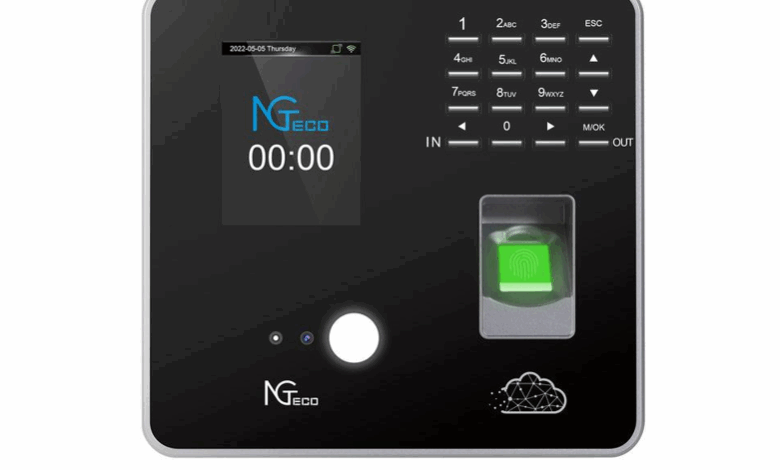
Facial recognition time clocks offer a powerful solution to this persistent challenge. By leveraging biometric technology, these advanced systems verify employee identity with precision that traditional methods simply cannot match. No more shared PIN codes, forgotten badges, or one employee clocking in for another. The technology captures unique facial features to ensure that only the actual employee can record their time, creating an accurate, tamper-proof record of work hours. This shift from outdated timekeeping methods to biometric verification represents a practical investment that pays dividends through reduced labor costs, improved accountability, and streamlined payroll processes.
Introduction to Time Theft and Biometric Time Clocks
Time theft manifests in various forms across workplaces, from employees arriving late but recording on-time punches to the widespread practice of buddy punching, where coworkers clock in for absent colleagues. These seemingly minor infractions accumulate quickly—research suggests that time theft can cost employers up to 7% of their gross annual payroll. For a business with ten employees earning $15 per hour, this translates to roughly $35,000 in lost productivity each year. Biometric time clocks address this vulnerability by tying each punch directly to an employee’s unique physical characteristics, whether through fingerprints, facial features, or iris patterns. This authentication method eliminates the possibility of fraudulent time entries while creating an automated, verifiable record that protects both employers and honest employees from the consequences of time manipulation.



The Problem with Traditional Time Clocks
Traditional time clocks rely on easily compromised methods like punch cards, PIN codes, or swipe badges—all of which can be shared, stolen, or manipulated. Punch cards can be stamped by anyone who gets their hands on them, while PIN codes are routinely shared among coworkers or written down in accessible locations. Swipe badges present similar vulnerabilities, as employees can simply hand their card to a friend running late. These systems place the burden of verification on managers who must cross-reference time entries with actual attendance, a tedious process that rarely catches every infraction. The lack of accountability creates a culture where time theft becomes normalized, with honest employees sometimes feeling pressured to participate or resentful that others game the system without consequences. Beyond buddy punching, traditional systems struggle with rounding abuse, where employees exploit time-rounding policies to gain extra paid minutes, and they offer no protection against employees who remain clocked in during extended breaks. The administrative overhead of investigating discrepancies and correcting payroll errors further compounds the problem, draining resources that could be invested in growing the business.
Introducing Biometric Time Clocks
Biometric time clocks represent a technological leap forward in workforce management, using unique physical characteristics to verify employee identity with near-perfect accuracy. Unlike traditional systems that rely on something an employee possesses or remembers, biometric systems authenticate based on who the person actually is. The most common biometric modalities include fingerprint scanning, facial recognition, iris scanning, and palm vein recognition. Each method captures and analyzes distinct biological markers that remain consistent throughout an employee’s tenure, creating a reliable identifier that cannot be shared, borrowed, or duplicated. Modern biometric time clocks connect directly to payroll software, automatically recording clock-in and clock-out times while eliminating manual data entry errors. The technology has become increasingly affordable and accessible for businesses of all sizes, with systems designed specifically for small business environments that require minimal IT infrastructure and straightforward setup processes.
How Biometric Time Clocks Work
When an employee first enrolls in a biometric time clock system, the device captures their unique biological identifier and converts it into an encrypted digital template stored in the system’s database. This template doesn’t store an actual image of the fingerprint or face but rather a mathematical representation of its distinctive features. During subsequent clock-ins, the employee presents their biometric identifier to the scanner, which captures the data and compares it against stored templates to find a match. The entire verification process typically completes in under two seconds, making it faster than fumbling for badges or entering PIN codes. Once identity is confirmed, the system timestamps the entry and transmits the data to the connected payroll or workforce management platform. Advanced systems can also capture supplementary information like the employee’s location, the specific device used, and even photographic evidence of each punch for additional verification layers.
Key Benefits of Biometric Time Clocks
The elimination of buddy punching stands as the most immediate benefit, with businesses typically seeing a 2-5% reduction in labor costs within the first year of implementation. Payroll accuracy improves dramatically since time entries are automatically captured and transferred without manual transcription, reducing errors that lead to overpayments or employee disputes. Managers reclaim hours previously spent investigating time discrepancies and correcting timesheet errors, allowing them to focus on productive activities that drive business growth. The technology also creates a clear audit trail that protects businesses during labor disputes or compliance audits, with timestamped, verified records that stand up to scrutiny. Employee morale often improves as honest workers appreciate a system that prevents colleagues from gaining unfair advantages through time manipulation. Administrative efficiency increases across the board, from simplified scheduling to faster payroll processing, while the reduction in time theft directly improves profitability without requiring cuts to wages or benefits.
See also: Support at Home – Embracing Comfort and Independence
Facial Recognition Technology in Time Clocks
Facial recognition time clocks use advanced camera systems and artificial intelligence algorithms to identify employees by analyzing distinctive facial features such as the distance between eyes, nose shape, cheekbone structure, and jawline contours. The technology works in various lighting conditions and can accommodate changes in appearance like facial hair growth, glasses, or minor weight fluctuations. Modern systems capture a three-dimensional map of the face rather than a simple photograph, making them resistant to spoofing attempts using photos or videos. The contactless nature of facial recognition offers distinct advantages in high-traffic environments where multiple employees need to clock in quickly, as there’s no need to touch a shared surface or wait for a fingerprint scanner to reset between users. This technology has matured significantly in recent years, with accuracy rates exceeding 99% in most workplace applications while maintaining fast processing speeds that keep lines moving during shift changes.
Advantages of Facial Recognition
Facial recognition stands out among biometric options for its completely touchless operation, which became particularly valuable during health-conscious periods when minimizing shared surface contact became a priority. The technology requires no physical interaction with the device, reducing wear and tear on equipment while eliminating concerns about dirty or damaged fingers affecting fingerprint scanner accuracy. Employees appreciate the convenience of simply looking at a camera rather than positioning their finger correctly or remembering to carry a badge. The speed of facial recognition systems supports high-volume clock-in scenarios, with some systems processing multiple employees per minute during busy shift changes. Installation typically proves simpler than other biometric options since facial recognition terminals only need mounting at face height with adequate lighting, without requiring specialized sensors or contact surfaces that need regular cleaning and calibration.
Integration with Cloud Services
Cloud-connected facial recognition time clocks transmit attendance data in real-time to centralized platforms accessible from any internet-connected device, giving managers instant visibility into who’s currently working across multiple locations. This connectivity enables automatic synchronization with payroll systems, eliminating the manual export and import processes that create opportunities for errors and delays. Managers can receive instant notifications when employees clock in late, miss scheduled shifts, or approach overtime thresholds, allowing for proactive intervention rather than discovering problems during payroll processing. Cloud platforms typically include mobile apps that let employees view their own time records, request time-off, and receive schedule updates, reducing administrative inquiries. The cloud infrastructure also handles software updates automatically, ensuring the system always runs the latest security patches and feature enhancements without requiring on-site IT intervention. Data backup occurs continuously in the cloud, protecting against loss from hardware failure or local disasters, while robust encryption safeguards sensitive biometric information both during transmission and storage. For businesses with multiple locations, cloud integration provides consolidated reporting that reveals attendance patterns and labor cost trends across the entire organization from a single dashboard.
Implementing Facial Recognition Time Clocks
Successfully deploying facial recognition time clocks requires careful planning that addresses both technical and human factors. Start by assessing your workplace layout to determine optimal terminal placement—high-traffic areas near entrances work well, but avoid locations with direct sunlight or backlighting that can interfere with camera performance. Consider your workforce size and shift patterns to determine how many terminals you’ll need to prevent bottlenecks during peak clock-in times. Employee communication proves critical to smooth adoption; announce the change well in advance, explain the reasons behind the decision, and address privacy concerns transparently. Schedule the implementation during a low-stress period rather than your busiest season, and plan for a transition phase where both old and new systems run simultaneously. Designate a point person who can troubleshoot issues and answer employee questions during the first few weeks. Most importantly, ensure compliance with local biometric privacy laws, which may require written consent forms, data retention policies, and specific security measures for storing biometric information.
Choosing the Right Time Clock
Selecting the appropriate facial recognition time clock starts with evaluating your specific business requirements rather than simply choosing the most feature-rich option. Consider whether you need a standalone device or one that integrates with your existing payroll software—compatibility can save countless hours of manual data transfer. Assess the physical environment where terminals will be installed, as some models perform better in challenging lighting conditions or outdoor settings. Scalability matters if you anticipate business growth; choose systems that can easily add terminals or users without requiring complete replacement. Review the enrollment process to ensure it’s straightforward enough for your least tech-savvy employees to complete independently. Examine the vendor’s support offerings, including training resources, technical assistance availability, and warranty terms. Companies like NGTeco offer solutions designed specifically for small to medium-sized businesses, with systems that balance advanced features with user-friendly interfaces. Finally, request demonstrations or trial periods to test the system with actual employees before committing to a full deployment.
Setting Up Biometric Time Clocks
Begin the setup process by physically installing terminals in predetermined locations, ensuring stable mounting, reliable power sources, and strong network connectivity for cloud-based systems. Configure the system settings according to your company policies, including shift schedules, overtime rules, break requirements, and rounding preferences. Create user accounts for all employees in the management software, entering their basic information and assigning appropriate permissions and pay rates. Conduct enrollment sessions where each employee registers their facial biometric—schedule these in small groups to provide personalized assistance and answer questions. Test each enrollment by having employees immediately clock in and out to verify the system recognizes them correctly. Train supervisors and managers on accessing reports, approving time edits, and troubleshooting common issues like failed recognition attempts. Establish clear protocols for handling exceptions such as system outages or employees whose faces cannot be reliably scanned due to medical conditions. Run the new system parallel to your existing timekeeping method for at least one full pay period, comparing results to identify discrepancies before fully transitioning. Document all procedures in a simple reference guide that employees and managers can consult when questions arise.
Benefits for Small Business Owners
Small business owners gain immediate financial advantages from facial recognition time clocks through reduced labor costs and eliminated time theft. The automated accuracy means payroll processing requires less time and oversight, freeing owners to focus on revenue-generating activities rather than timesheet corrections. Compliance becomes simpler with automatically generated records that satisfy labor law requirements and provide defensible documentation during audits or disputes. The technology scales efficiently as the business grows, accommodating additional employees without proportionally increasing administrative burden. Perhaps most valuable is the peace of mind that comes from knowing every recorded hour represents actual work performed, transforming timekeeping from a constant source of concern into a reliable business process that runs itself.
Improved Employee Satisfaction
Honest employees appreciate facial recognition systems because they eliminate the unfair advantage that time thieves previously enjoyed. The technology creates a level playing field where everyone operates under the same rules and accountability standards. Employees no longer need to remember PINs, carry badges, or wait while coworkers fumble with punch cards, making the clock-in process faster and less frustrating. The transparency of biometric systems also reduces disputes over recorded hours, as employees can trust that the system accurately captured their time without manual manipulation or transcription errors. This fairness fosters a workplace culture built on integrity rather than one where cutting corners becomes normalized behavior.
Enhanced Security
Facial recognition time clocks strengthen overall workplace security by creating a verified record of who entered the premises and when. This capability extends beyond timekeeping to access control, allowing businesses to restrict entry to authorized personnel during specific hours. The technology helps identify unauthorized individuals attempting to enter the facility and provides valuable forensic data if security incidents occur. Integration with existing security systems creates a comprehensive protection layer where time clock data correlates with video surveillance and access logs. For businesses handling sensitive information or valuable inventory, knowing exactly who was present during specific timeframes proves invaluable for both preventing and investigating security breaches. The biometric verification also prevents former employees from using old credentials to gain unauthorized access, as their facial template can be instantly deactivated upon termination. Cloud connectivity enables real-time alerts when unusual access patterns occur, such as employees clocking in during closed hours or from unexpected locations, allowing immediate investigation before minor issues escalate into serious security problems.
Transform Your Workforce Management with Biometric Technology
Facial recognition time clocks deliver a practical, proven solution to the persistent problem of time theft that drains profitability from businesses of all sizes. By replacing easily manipulated traditional systems with biometric verification, these technologies eliminate buddy punching, prevent time padding, and create accurate records that streamline payroll processing while reducing administrative overhead. The investment typically pays for itself within the first year through recovered labor costs alone, while delivering ongoing benefits through improved employee accountability, enhanced security, and simplified compliance documentation. For small business owners operating on tight margins, the decision to implement wifi time clock represents a strategic move that protects the bottom line without requiring constant management oversight. The technology has matured to the point where it’s accessible, affordable, and straightforward to deploy, with cloud integration and intuitive interfaces that minimize technical barriers. As workforce management continues evolving, businesses that adopt biometric timekeeping position themselves ahead of competitors still struggling with outdated methods, creating a foundation of accuracy and trust that supports sustainable growth and operational excellence.