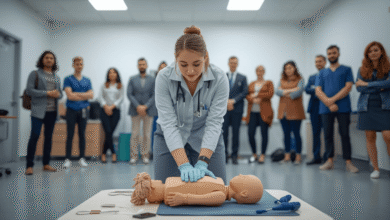
Building a career in wellness goes beyond just finding a job—it’s about embracing a meaningful calling that aligns with personal values and a desire to improve others’ well-being. Many people seek this path to make a tangible impact, whether through health coaching, mindfulness training, or becoming a licensed massage therapist. A successful career in wellness combines purpose, flexibility, and the opportunity to empower others while maintaining personal fulfillment.
Those interested in wellness careers often start by gaining specific credentials, such as a massage therapist diploma, which provides both foundational skills and professional credibility. This education opens doors to various roles in health and wellness, offering both stability and growth in a flourishing industry. Building a network of supportive mentors and peers also plays a crucial role in sustaining long-term success.
Building Your Career and Calling in Wellness
Building a career in wellness requires a clear focus on personal strengths and market demands. Success comes from blending specific skills with a chosen niche, understanding available pathways, and continuously developing both technical and interpersonal abilities.



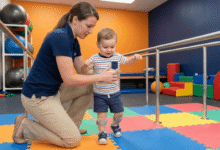
Identifying Your Wellness Niche
Choosing the right wellness niche is critical for aligning passion with career goals. Candidates should evaluate their interests in areas such as holistic health, nutrition, mindfulness, or physical fitness. This clarity helps target the most suitable roles and educational programs.
A tight focus enables effective specialization. For example, someone interested in nutrition might pursue certifications through programs like love and light school, enhancing both expertise and credibility. Meanwhile, a practitioner drawn to mindfulness could develop skills through specialized workshops and training in stress management techniques.
Understanding market needs is also important. Wellness professionals who align their niche with growing trends, such as corporate health coaching or mindfulness training, increase their chances of success and client engagement.
Essential Skills for Wellness Professionals
Wellness careers demand a blend of hard and soft skills. Credentials in areas like health coaching, nutrition, or physical training validate technical knowledge. Comprehensive certification confirms expertise and builds client trust.
Soft skills, including empathy, communication, and time management, are equally important. Empathy strengthens client relationships, fostering meaningful transformations. Time management supports balancing career development and work-life demands, reducing burnout risk.
Continuous learning and attending workshops help maintain industry relevance. Professionals should prioritize both skill-building and networking to cultivate a supportive community, essential for long-term success.
Career Pathways: From Mindfulness to Physical Fitness
Wellness offers diverse career pathways, spanning mental health, holistic health practices, and physical fitness. Health coaching focuses on behavior change in nutrition and exercise, addressing long-term wellness goals.
Mindfulness careers may include stress reduction instruction or meditation facilitation. This pathway benefits from certifications and practical experience in mental health awareness tools.
Physical fitness careers range from personal training to specialized exercise programs. Fitness professionals often combine technical knowledge with skills in motivation and client engagement.
The wellness landscape allows flexibility, enabling professionals to integrate various specialties based on career aspirations and evolving industry demands.
See also: Carvalevadopa: Carvalevadopa: a Journey Into Digital Health
Strategies for Success and Lasting Impact
Success in wellness careers depends on deliberate efforts to connect with others, maintain personal health, present a strong professional identity, and manage financial and operational aspects effectively. Each of these areas contributes to sustained impact, resilience, and growth.
Building Professional Networks in Wellness
Strong professional networks are essential for career growth in wellness. Connecting with peers and mentors via platforms like LinkedIn helps build meaningful relationships that open doors to collaborations and new opportunities.
Active participation in industry events, workshops, and volunteering within wellness communities fosters trust and credibility. These interactions provide access to knowledge about emerging trends in yoga, breathwork, and emotional wellness.
Maintaining these networks requires consistent communication, sharing valuable content, and engaging in problem-solving discussions. This reciprocal approach enhances professional standing and supports long-term career success.
Personal Well-Being: Balancing Health and Career Fulfillment
Prioritizing mental health and stress management is crucial in wellness careers. Practicing resilience through techniques such as yoga, breathwork, and mindfulness reduces burnout and enhances emotional wellness.
Setting boundaries between work and personal time helps maintain this balance. Regular self-assessment regarding exhaustion and motivation allows timely adjustments to workload or priorities.
Integrating well-being into daily routines not only supports personal health but also strengthens credibility when advising clients. A healthy professional models practices they promote, reinforcing their career longevity and authenticity.
Branding, Marketing, and Online Presence
Building a clear personal brand is vital for visibility in the wellness sector. Professionals should define their unique value proposition and communicate it consistently through blogs, LinkedIn profiles, and social media.
Effective use of content marketing—sharing research, client testimonials, and wellness tips—positions individuals as thought leaders. Regular updates and professional imagery strengthen the appeal of their digital presence.
A strategic marketing plan focused on target audiences ensures efforts are efficient and impactful. Combining storytelling with evidence-based information builds trust and engagement, essential for attracting and retaining clients.