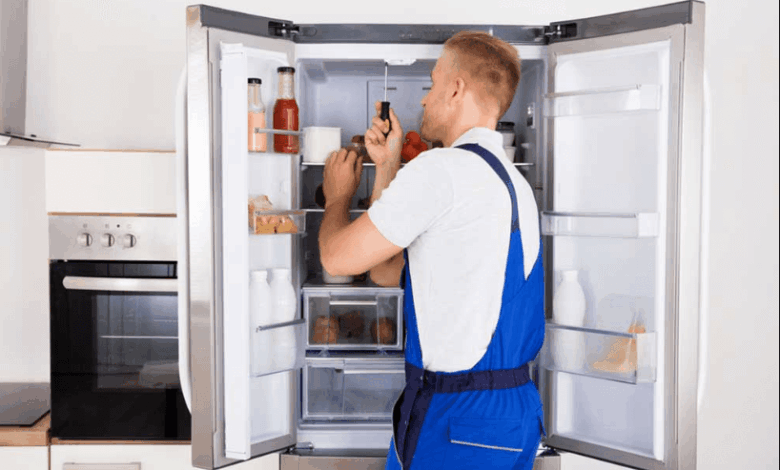
Noticing a puddle near your fridge or a funky smell every time you open the door? You might have a leaking refrigerator door seal. It’s one of those pesky issues that seems minor but can snowball into bigger problems like spoiled food, skyrocketing energy bills, or even mold. As someone who’s helped troubleshoot appliance issues for years, I get how annoying this can be, especially in a bustling home. The good news? Many seal problems are fixable without a full-blown repair job. In this guide, we’ll walk through the causes, how to spot them, and practical steps to fix your fridge door seal. If you’re in North or West Vancouver, check out northvancouverappliances.ca for top-notch home appliance repair in Vancouver. They’re your go-to for getting that fridge back in shape.
I’ve seen everything from ancient fridges in old apartments to high-tech models acting up. Leaky seals pop up across brands like Whirlpool, LG, or Maytag, often from simple wear. Let’s dive in and seal up that leak.
Understanding the Role of Your Refrigerator Door Seal
So, what’s a door seal, and why’s it a big deal? The seal, or gasket, is that rubber strip around your fridge and freezer doors. Its job is to lock in cold air and block warm air, keeping your fridge efficient and your food fresh. A good seal maintains steady temps and prevents frost or excess moisture inside.



When the seal leaks, you might see water pooling, ice on the gasket, or hear a faint hiss from air escaping. Here in Vancouver’s humid climate, this can get worse fast. The seal’s usually PVC with magnets for a snug fit, but they can crack, warp, or lose their grip over time.
Why’s this bad? A bad seal makes your compressor work harder, potentially hiking your energy bill by 20-30%. It can also spoil food quickly or invite mold. Knowing how it works helps you act fast.
Common Causes of Refrigerator Door Seal Leaks
From talking to repair folks, leaks don’t just appear. Here’s what usually causes them:
- Age and Wear: Seals last 5-10 years. Constant use can make them brittle, cracked, or loose.
- Dirt and Gunk: Crumbs, spills, or pet hair can stop the seal from closing tightly. Mold thrives here.
- Misaligned Doors: An unlevel fridge causes doors to sag, stressing the seal. Moving it carelessly can throw things off.
- Temperature Issues: Kitchen heat from ovens or the sun can warp seals. Freezer seals might freeze shut if temperatures are too low.
- Damage or Defects: Rarely, new seals fail early. Tears from sharp objects or rough cleaning can also cause leaks.
- Humidity: Vancouver’s damp air can cause condensation on seals, which looks like a leak but might point to a bigger issue.
Figuring out the cause guides your fix. Dirt might just need a scrub, but cracks mean replacement.
Signs Your Door Seal Is Leaking
How do you know it’s the seal and not, say, a clogged drain? Watch for these clues:
- Water or Ice: Puddles under the fridge or frost on the seal.
- Higher Bills: Your fridge runs more to compensate.
- Spoiled Food: Warm air sneaking in speeds up spoilage.
- Door Issues: It pops open or needs extra force to close.
- Musty Smells: From mold in damp spots.
- Condensation Inside: On shelves or walls, showing air leaks.
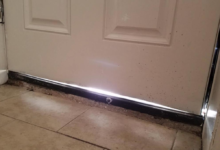
Try the dollar bill test: Slip a bill between the door and the frame, close it, and pull. If it slides out easily, the seal’s weak. Check all sides. Or, shine a flashlight inside with the door closed—if light escapes, so does air.
Note these signs for later, especially if you need a pro.
See also: How Pressure Washing Enhances Your Home Improvement Projects
Safety First Before Fixing
Before you start, safety’s key. Unplug the fridge to avoid shocks, especially near wiring. Wear gloves when using cleaners or handling sharp parts. If your fridge has a water line, turn it off to prevent spills.
Grab tools: Screwdrivers, putty knife, mild soap, vinegar, hairdryer, and maybe a new seal (check your model number). Work in a ventilated spot if using cleaners.
Not DIY-savvy? Call pros instead. I’ve seen folks make things worse by guessing.
Step-by-Step Guide to Fixing a Leaky Door Seal
Let’s get to work. We’ll start simple and scale up.
Step 1: Clean the Seal Thoroughly
A dirty seal is often the culprit. Mix warm water with mild dish soap or baking soda. Gently pull the seal back (it might use clips or adhesive) and clean both sides, scrubbing off debris. For mold, use a 1:1 vinegar-water mix, let it sit 10 minutes, then rinse.
Dry fully with a cloth. Skip harsh chemicals—they ruin rubber. Retest with the dollar bill. If it grips better, keep an eye on it for a week.
Step 2: Check Door Alignment
An unlevel fridge stresses seals. Place a level on top; adjust the feet (usually screw-type) until even side-to-side and front-to-back. Doors should close naturally from halfway open.
Tighten loose hinge screws. For sagging, try shims under the feet. Recheck for leaks.
Step 3: Soften and Reshape the Seal
Hard seals can be revived. Warm gently with a hairdryer on low, then press into place. For wrinkles, apply a thin layer of petroleum jelly to restore flexibility.
Check magnetism if it’s a magnetic seal—weak magnets are rare but possible.
Step 4: Inspect for Damage and Patch
Look for cracks or tears. Small ones? Use food-safe silicone caulk as a temporary fix.
Big damage? Time to replace. Measure the seal or note your fridge model.
Step 5: Replace the Door Seal
If cleaning fails, get a new gasket. Order OEM parts online or from stores.
Steps:
- Unplug and empty the door.
- Loosen seal by lifting corners (some need inner liner screws removed).
- Remove the old seal gently.
- soak the new seal in warm water to make it pliable.
- Press into the groove, starting at the top.
- Reassemble, plug in, and test after 24 hours (seals need settling time).
This takes 30-60 minutes. Check YouTube for model-specific videos if needed.
Vancouver’s weather can wear seals faster, so replacements are key. If it’s overwhelming, home appliance repair in Vancouver from northvancouverappliances.ca makes it hassle-free.
Step 6: Check Related Issues
Seals can leak due to other problems. Ensure the thermostat isn’t too cold (causes frost). Clean condenser coils (back or bottom) for efficiency. Noisy evaporator fan? It might affect airflow.
For smart fridges, try a reset via app or manual.
When to Call a Professional
Some fixes aren’t DIY-friendly. Get help if:
- New seal doesn’t fix it (door warping, maybe).
- Electrical issues are suspected.
- The fridge is under warranty.
- You see refrigerant leaks (hissing or oily spots—hazardous).
Pros use tools like pressure testers for quick answers.
Preventive Maintenance for Long-Lasting Seals
Stop leaks before they start:
- Clean seals monthly.
- Level fridge yearly.
- Avoid slamming doors.
- Keep kitchen temps stable.
- Replace seals every 5-7 years.
- Use door alarms if available.
Annual pro check-ups catch issues early.
Real-Life Fixes and Tips
A friend ignored a tiny leak, ending up with warped floors—ouch. Another fixed theirs with just a clean, saving big. Lesson? Act fast, and don’t force parts.
In humid areas, a dehumidifier helps. Teach kids to close doors gently.
Conclusion: Keep Your Fridge Sealed and Efficient
A leaking door seal is a pain, but with these steps, you can often fix it yourself. Regular care keeps your fridge running smoothly, saving money and stress.
Keep it cool, and happy fixing!